

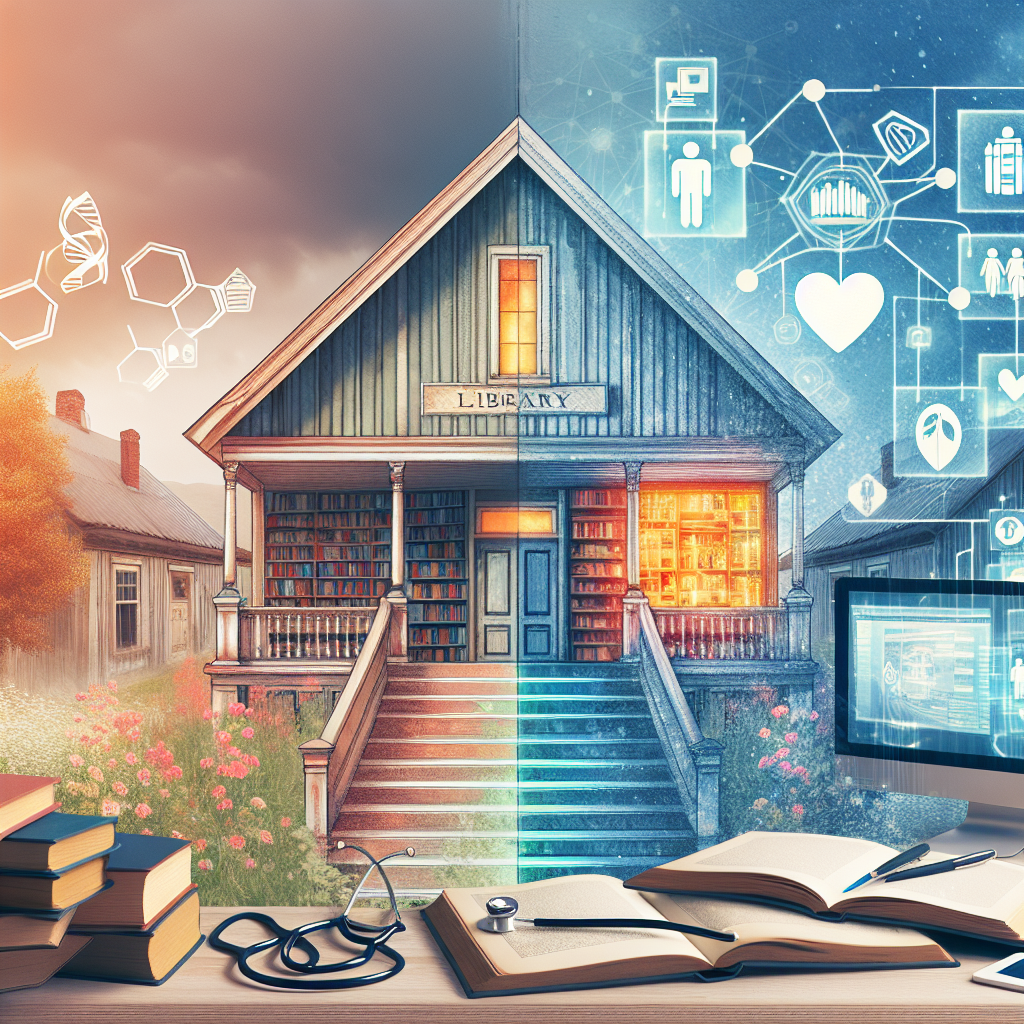
How Libraries Are Becoming Digital Health Hubs in Underserved Areas
Introduction: Libraries as Health Equity Champions
Public libraries have undergone a remarkable transformation in recent years. Once viewed primarily as places to borrow books, libraries in underserved communities are now becoming essential digital health hubs. These trusted institutions offer free access to health technologies, reliable online medical information, virtual care platforms, and support services—resources many residents would otherwise struggle to obtain.
According to a 2023 Pew Research Center survey, 43% of adults in rural America lack home broadband access. This digital divide hinders access to telehealth and online healthcare tools. By embracing innovative services, libraries are uniquely positioned to bridge both the health and digital literacy gap—critical challenges in the modern healthcare landscape.
Bridging the Digital Divide with Free Access and Technology
One of the greatest barriers to healthcare access is digital exclusion. Many people in vulnerable neighborhoods live without home internet, computers, or smartphones. Pew Research also reports that nearly one-third of adults with household incomes below $30,000 do not own a computer.
Libraries help close this gap by offering:
– Free public Wi-Fi and access to computers
– Personalized digital skills workshops and one-on-one tech support
– Loaner tablets and mobile hotspot devices for at-home use
These tools empower patrons to research accurate medical information, complete online health forms, and participate in secure telehealth appointments.
Dr. Carla Roberts, a telehealth expert at the University of Maryland, explains:
“Public libraries are often more accessible than clinics. By giving people the tools to get online, libraries empower informed, healthier decisions for the whole family.”
For example, the Enoch Pratt Free Library in Baltimore allows local residents to borrow Wi-Fi hotspots and tablets for up to two weeks. This service is especially crucial for individuals managing chronic health conditions or applying for online prescription services such as those available on platforms like eDrugstore.com.
Promoting Access to Trusted Health Information
Even with internet access, many users struggle to distinguish reliable medical sources from misinformation. Librarians, trained in information sourcing and evaluation, play a vital role in guiding patrons to trusted health content. These include:
– The National Library of Medicine’s MedlinePlus
– Centers for Disease Control and Prevention (CDC) health resources
– Peer-reviewed open-access medical journals
– Multilingual health education materials
At the Queens Public Library in New York, bilingual staff lead weekly “Ask a Health Expert” sessions and curate brochures on topics ranging from diabetes to maternal care, all translated into languages commonly spoken in the community.
“Libraries are gatekeepers of knowledge, especially in an age when medical myths spread quickly online,” says Jennifer Luna, Director of Health Literacy Programs at the University of Texas. “We address misinformation directly—with empathy and evidence.”
By doing so, libraries are advancing critical health literacy among underserved populations, giving residents the confidence to navigate and advocate for their own health care.
Expanding Telehealth Services Within Library Walls
As virtual care becomes more prevalent, many people—especially older adults and those in low-income households—lack the equipment and privacy to participate in telehealth appointments. Libraries are stepping in by creating secure, discreet telehealth rooms equipped with:
– High-speed internet and large screens for virtual visits
– HIPAA-compliant video platforms
– On-site staff to assist with scheduling and troubleshooting
The Bronx Library Center in partnership with Montefiore Medical Center has already enabled over 500 patrons to complete virtual mental health appointments since launching its telehealth room.
Other libraries, like those in Salt Lake County, partner regularly with health care providers to assist patrons with digital tools such as MyChart for managing prescriptions and appointments—many of which can also be efficiently accessed through online pharmacies like eDrugstore.com.
Building Health Programs Through Strategic Collaboration
Libraries don’t operate these extensive health services alone—they rely on collaborations with universities, nonprofits, healthcare institutions, and public health departments. Examples of common partnerships include:
– Federal grants, such as from the FCC’s Emergency Connectivity Fund, supporting telehealth upgrades
– Community nurses and health advisors visiting library branches
– Wellness events and health screenings hosted in library spaces
At Richland Library in South Carolina, weekly pop-up clinics provide vaccines, wellness checks, and eye exams in collaboration with the State Department of Health.
“Libraries hold deep trust within their communities, which can be a powerful foundation for outreach,” says Dr. Maya Green, Chief Medical Officer at Howard Brown Health. “When libraries work in partnership, the impact is exponential.”
Addressing Challenges in Public Health Delivery
Despite their expanding role, libraries face several challenges when integrating digital health services. These include:
– Limited budgets and staffing
– Concerns over maintaining client privacy under health data regulations such as HIPAA
– Staying current with fast-evolving telehealth platforms and systems
Innovative solutions are emerging:
1. Cleveland Public Library secures multi-year funding through local philanthropic partnerships to support digital equity programs.
2. Chicago Public Library offers its staff ongoing professional development focused on secure handling of health-related data.
3. Tools from the Public Library Association (PLA), such as online courses and peer learning groups, help librarians adapt and grow in their digital health capabilities.
These efforts are creating sustainable models that enable consistent and equitable access to digital health services through the familiar neighborhood library.
Success Stories: Real-World Results From Local Libraries
Across the country, libraries are already shifting health outcomes. Noteworthy examples include:
– The Mid-Ohio Library Network saw a 30% increase in mental health tele-visits after launching private telehealth rooms and promoting awareness.
– In rural McIntosh County, Georgia, the no-show rate for specialist appointments dropped by 40% after the library began lending tablets and hotspots to residents.
– San Antonio Public Library collaborated with UT Health to deliver a bilingual “Diabetes Cooking From Home” webinar. After six months, many participants saw measurable improvements in both weight and A1C blood sugar levels.
These examples prove that when libraries remove access barriers, both physical and virtual, communities are able to engage with healthier habits and medical guidance more effectively.
Looking Ahead: The Future of Libraries in Digital Health
As demand grows, many libraries are planning new initiatives aimed at widening their role in public health, such as:
– Walk-up stations for blood pressure and heart rate measurement
– Mobile pop-up vans featuring telehealth kiosks for rural outreach
– Multilingual AI chatbots to assist with healthcare system navigation
– Policy advocacy for recognizing libraries as important health access points at both state and federal levels
These initiatives represent the next step in turning library-based health access into a long-term, nationwide strategy that meets people wherever they are.
Conclusion: Libraries as Gateways to Health Equity
Modern libraries have evolved far beyond bookshelves and reading rooms. In underserved communities, they now offer critical services such as free digital access, culturally sensitive medical information, and telehealth appointments in secure, welcoming environments.
With growing partnerships and proven success, today’s libraries are becoming indispensable allies in the effort to create equitable, community-driven healthcare systems. Through continued investment and innovation, libraries are empowering millions with the tools to improve their health—and ultimately, their lives.