

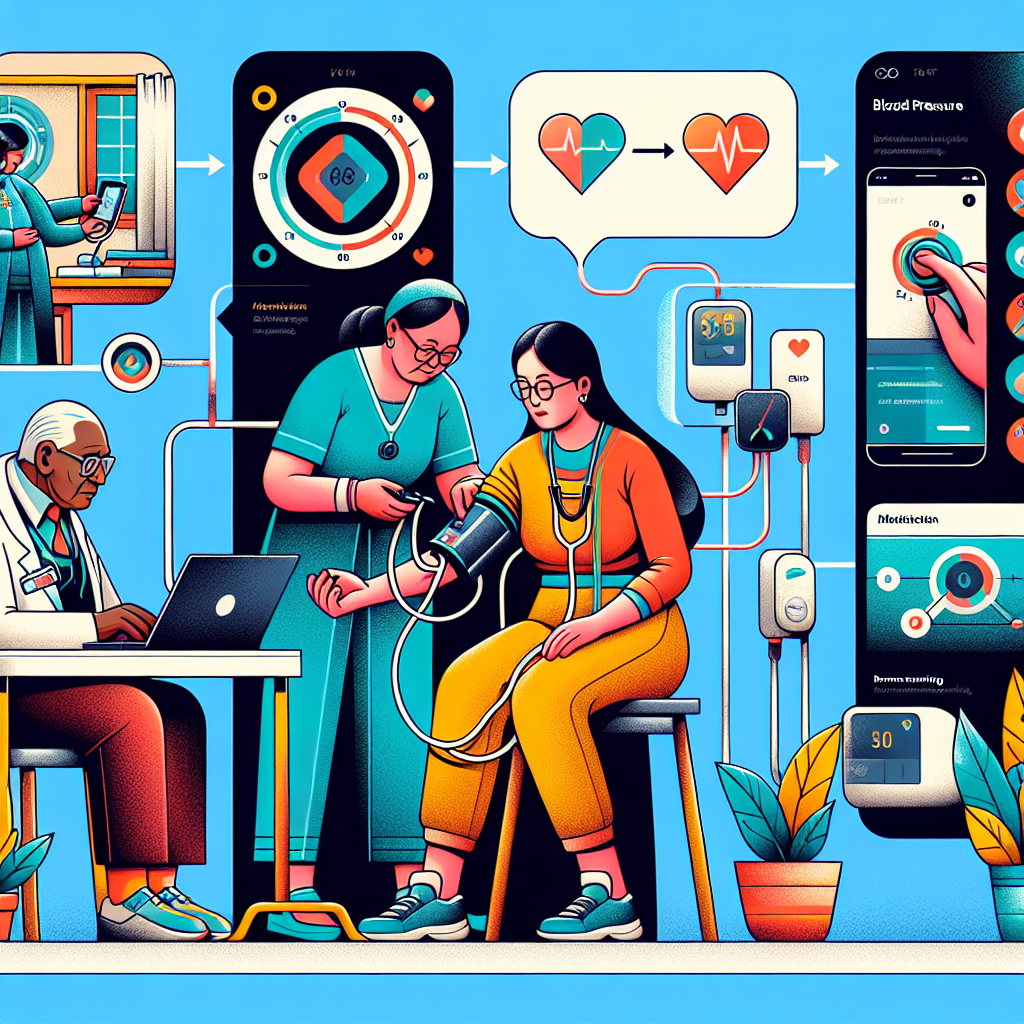
Blood Pressure at Home: How Remote Monitoring Is Replacing In-Clinic Checks
Understanding the Shift to Home Blood Pressure Monitoring
Nearly 1 in 2 U.S. adults—about 120 million people—struggle with high blood pressure, according to the Centers for Disease Control and Prevention (CDC). Historically, managing this condition meant frequent visits to the doctor for blood pressure checks. However, advancements in digital health tools are transforming that approach.
Thanks to the availability of FDA-approved home blood pressure monitors and telehealth connectivity, patients now manage hypertension more effectively from the comfort of home. These innovations not only improve care outcomes but also reduce healthcare costs and enhance patient empowerment.
“Remote monitoring increases the quantity and quality of blood pressure data, giving us better clinical insight,” says Dr. Karen Mitchell, cardiologist at Johns Hopkins Medicine. “It’s a win for patient outcomes and system efficiency.”
Why Monitoring Your Blood Pressure at Home Matters
Frequent, consistent blood pressure tracking reveals what single clinic visits can miss. Home monitoring allows for:
– Increased data collection: Continuous tracking gives a more comprehensive view of cardiovascular health.
– Reduced “white coat” spikes: Many patients experience elevated readings in clinics due to anxiety. Home readings reflect a more accurate baseline.
– Earlier treatment opportunities: Trend data can reveal problems sooner, prompting timely interventions.
Research from the American Heart Association reports that patients using home monitoring with doctor feedback lowered systolic pressure by up to 10 mmHg.
Key Benefits of Home Blood Pressure Monitoring
There are multiple advantages to managing blood pressure at home:
– Convenience: Eliminate the need for appointments or travel—simply press “Start” on your device.
– Real-time feedback: Tracking your numbers helps fuel healthier habits like exercising and eating less salt.
– More personalized care: Doctors can adjust treatments based on ongoing data, not just annual visits.
– Financial savings: Fewer in-office appointments mean lower out-of-pocket costs.
A 2022 Health Affairs report estimates remote patient monitoring could save the U.S. healthcare system $3 billion annually. If you’re looking for a monitor, eDrugstore.com offers comprehensive buying guides and product reviews for dependable home monitors.
How to Choose the Right Home Blood Pressure Monitor
Not all monitors are created equal. To find a reliable, doctor-recommended blood pressure monitor with Bluetooth capabilities, consider:
– Cuff Type: Upper-arm cuffs provide the most accurate readings. Wrist cuffs should only be used when arm measurements are not possible.
– Certification: Choose devices validated by reliable organizations like the American Heart Association or the British and Irish Hypertension Society.
– User-friendly interface: Features such as large displays, comfortable cuffs, and simple controls encourage regular use.
– Connectivity: Look for wireless syncing features. Companion apps can help track trends and share data with providers.
One popular option is the Omron Platinum Blood Pressure Monitor, which is AHA-certified and cloud-integrated—perfect for both tech-savvy users and seniors.
Essential Tips for Accurate Home Readings
To ensure precise measurements, follow these at-home blood pressure tips:
– Sit quietly for five minutes before measuring.
– Keep your feet flat, back supported, and arm level with your heart.
– Use a bare upper arm and avoid tight sleeves.
– Take multiple readings one minute apart and record the average.
– Note relevant context like time of day, recent physical activity, or caffeine intake.
Even small mistakes like talking or crossing your legs can distort results by 10 points or more, according to the Mayo Clinic.
Enhancing Results with Telehealth Integration
One of the most significant advancements is the ability to sync home blood pressure readings directly with electronic health records (EHR). This allows for:
– Real-time updates: Physicians can review your latest readings without waiting for an in-person visit.
– Virtual consultations: Adjustments to treatment plans can be done quickly over video.
– Medication tools: Many systems offer reminders and tips to help with adherence and education.
A 2023 JAMA Internal Medicine study found that patients using remote BP monitoring tools showed a 50% improvement in medication adherence within six months. For a step-by-step guide on connecting your device to telehealth platforms, visit eDrugstore.com.
Staying Safe: Data Security and Health Privacy
When using connected blood pressure monitors with cloud syncing, take the following precautions:
– Use end-to-end encryption to protect your health information.
– Choose platforms that comply with HIPAA standards.
– Set strong passwords, enable two-step authentication, and avoid sharing login credentials.
“Treat your digital health devices like an online bank account—secure, private, and encrypted,” advises cybersecurity expert Dr. Sonya Patel.
Common Challenges with Remote Hypertension Care
While home monitoring offers clear benefits, users may encounter challenges:
– Technical difficulties: Some older patients may require assistance. Many health systems now provide tutorials or hands-on support.
– Insurance uncertainties: Not all plans cover devices or virtual services. Contact your provider to clarify.
– Information overwhelm: Providers may receive too much data. Smart monitors with customizable alerts help prioritize crucial readings.
Some wearable devices now include artificial intelligence to notify doctors when readings exceed preset thresholds, helping to prevent complications.
What’s Next for Blood Pressure Monitoring?
Looking ahead, expect technology to continue reshaping hypertension care:
– Wearable integration: Smartwatches like Apple Watch and Fitbit are developing cuff-free options for continuous monitoring.
– AI-powered insights: Machine learning algorithms will soon identify patterns and alert physicians to emerging issues.
– Public health benefits: Aggregated, anonymous data can support targeted prevention campaigns within communities.
According to Dr. Elaine Chen of the Mayo Clinic, “The fusion of AI and wearables has the potential to revolutionize heart disease prevention in the next five years.”
The Future Is in Your Hands
With nearly 50 percent of American adults affected by hypertension, at-home monitoring has become more than a convenience—it’s a medical necessity. The integration of remote monitoring devices with telehealth platforms offers a powerful way to improve heart health and maintain control.
Ready to begin your journey toward improved blood pressure management? Head over to eDrugstore.com to browse top-rated blood pressure monitors that support telehealth features.
By selecting the right device, learning how to use it properly, and integrating it into your care plan, you can take control of your heart health—right from home.
References
1. American Heart Association. (2022). Remote Monitoring in Hypertension Management. https://www.heart.org
2. Health Affairs. (2022). Health Care Savings from Remote Patient Monitoring in Hypertension. https://www.healthaffairs.org
3. Mayo Clinic. (2023). Tips for Accurate Blood Pressure Monitoring at Home. https://www.mayoclinic.org
4. JAMA Internal Medicine. (2023). Impact of Home BP Monitoring on Medication Adherence. https://jamanetwork.com
5. eDrugstore.com. (2023). How to Choose the Best Home Blood Pressure Monitor. https://www.edrugstore.com