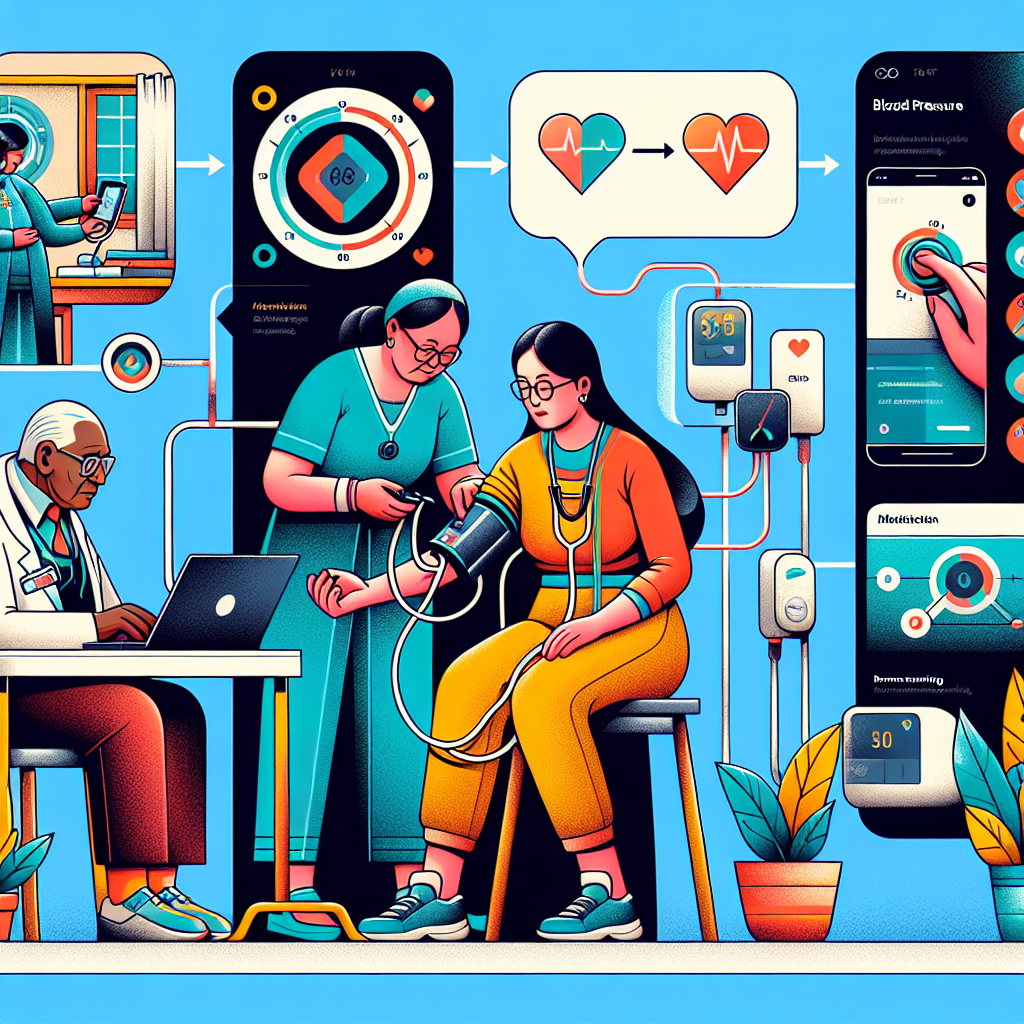
The Digital Pharmacy Network: How E-Prescriptions Travel From Doctor to Doorstep

Welcome to the Future of Healthcare

In today’s fast-paced digital world, healthcare is evolving rapidly. One major advancement is the rise of the digital pharmacy network for e-prescriptions. This system replaces the outdated paper method with efficient, secure digital communication between your doctor and the pharmacy.

According to the 2022 Surescripts National Progress Report, over 94% of prescriptions in the U.S. are now transmitted electronically—a significant improvement in both accuracy and accessibility.

“Electronic prescribing has transformed how we care for patients by improving access and reducing medication errors,” explains Dr. Maria Jenkins, a digital health consultant.

In this article, you’ll discover how e-prescriptions go from your doctor’s computer to your doorstep, the technology that powers it all, and why this system is revolutionizing the way we receive healthcare.

What Is the Digital Pharmacy Network?

The digital pharmacy network for prescriptions is a connected system made up of healthcare providers, pharmacies, insurers, and secure technology platforms. It ensures that your prescription travels safely and quickly from your doctor’s office to the pharmacy—and ultimately, to you.

For example, imagine your doctor prescribes medication for high blood pressure. Instead of handing you a paper slip, they enter the prescription into an electronic health record (EHR). From there, it is securely routed to your preferred pharmacy—including online pharmacies like edrugstore.com.

Core Components of the Digital Pharmacy Network:

– Electronic Health Records (EHRs): Where your doctor inputs your prescription.
– Connectivity Gateways: Secure digital pathways that send prescriptions to pharmacies.
– Pharmacy Management Systems: Software that receives and processes prescriptions at the pharmacy.
– Delivery Partners: Includes mail-order pharmacies and courier services for home delivery.

Step-by-Step: How Your E-Prescription Reaches You

It may seem complex, but the process is designed for speed and safety. Here’s a closer look:

Step 1: Prescription Entry

Your healthcare provider enters prescription details—drug name, dosage, refills, and instructions—into the EHR system.

Step 2: Secure Transmission

The prescription is formatted according to national digital standards (such as the NCPDP SCRIPT protocol), encrypted, and sent through a secure digital gateway to your selected pharmacy.

Step 3: Pharmacy Review

At the pharmacy, the digital system performs safety checks for allergic reactions or drug interactions. A pharmacist then reviews it for accuracy.

Example: If you are allergic to penicillin and your doctor prescribes a related antibiotic like amoxicillin, the system flags it before the medication is dispensed.

Step 4: Fulfillment and Notification

The pharmacy prepares your medication, adds labeling, and makes it available for pickup or delivery. You’ll receive a text message or app alert when it’s ready.

Online services like edrugstore.com can deliver your prescription discreetly right to your front door.

Step 5: Refill Management

Digital pharmacy systems allow for easy refills through web portals, apps, or calls. Plus, you’ll often receive automated reminders to help you stay on schedule with your medications.

Why Digital Prescriptions Benefit Everyone

E-prescribing does more than speed up the process—it improves safety, reduces errors, and enhances the overall patient experience.

For Patients

– Easy and fast prescription access without managing paper forms.
– Faster pickup or home delivery—over 70% of prescriptions are processed within 10 minutes electronically.
– Real-time status updates and price info.
– Automated reminders for medications and refills to improve adherence.

For Providers

– Increased efficiency—no need to send prescriptions via phone or fax.
– Fewer mistakes—e-prescribing can reduce medication errors by up to 66%, according to a study by JAMA.
– Better data tracking for patient outcomes and adherence.

For Pharmacies

– Faster processing reduces wait times and frees staff to focus on patient care.
– Smarter inventory control based on real-time medication demand.
– Tools to boost customer engagement via apps, email, and loyalty programs.

Protecting Your Privacy and Prescription Data

A common concern is whether e-prescribing is secure. The answer is yes. The security of digital prescription systems is a top priority and is supported by strict regulations.

– Encryption: All data is encrypted to protect confidentiality.
– Authentication: Only authorized medical professionals can access prescriptions, thanks to secure login systems and multi-factor authentication.
– Audit Trails: Every action is logged automatically, ensuring accountability.
– Compliance: In the U.S., these systems follow HIPAA regulations; European systems comply with GDPR standards.

“Digital health platforms are now more secure than ever before, thanks to advances in encryption and real-time monitoring,” says Alan Trent, a cybersecurity expert at MedLock Systems.

Explore how trustworthy online pharmacies like edrugstore.com keep your medical data private and secure.

What’s Ahead: The Future of E-Prescribing

Technology is moving fast—and the digital pharmacy network is evolving with it. Here’s what to expect in the coming years:

Telehealth Integration

You can now have an online appointment and receive your prescription within minutes—often before your virtual visit ends.

AI-Powered Recommendations

Artificial intelligence systems help doctors select the best medications for you by using your medical history and clinical research.

Blockchain Health Records

Blockchain technology is emerging as a secure way to store and share medical records, including prescriptions, with minimal risk of tampering.

Robotics and Drone Delivery

Pharmacies are beginning to use robots and even drones to deliver medications efficiently, especially in rural or hard-to-reach areas.

Example: Walgreens has piloted automated kiosks that dispense prescription refills within minutes—no pharmacist required.

Final Thoughts: A Smarter Way to Manage Medications

From reducing errors to making it easier to stick to your treatment, the digital pharmacy network technology for prescriptions has transformed how we access medicine. What used to take hours or days now happens quickly—and with much greater accuracy and safety.

“Digital prescribing brings us closer to a future where personalized care is not just possible—it’s the norm,” says Dr. Laila Patel, a health tech advisor.

Next time you need a prescription, consider using a digital option. Whether you choose to pick it up in person or have it delivered using a private and secure service like edrugstore.com, your medication experience will be faster, safer, and more convenient.

References

– Surescripts. (2022). National Progress Report on E-Prescribing. https://surescripts.com/news-center/national-progress-report
– JAMA Network. (2019). Effect of Electronic Prescribing on Medication Error Rates.
– HealthIT.gov. (2023). E-Prescribing and Health IT.
– IBM Cloud. (2023). How AI is Used in Healthcare.
– edrugstore.com. About Us: Safe & Discreet Online Prescriptions. https://www.edrugstore.com

The Language Barrier Solution: Real-Time Translation Technology in Global Telehealth

Breaking the Communication Divide in Digital Healthcare

As virtual healthcare rapidly evolves, a crucial challenge demands attention: language differences. These barriers often obstruct clear communication between doctors and patients in global telehealth environments. According to the World Health Organization (WHO), language issues contribute to healthcare disparities in up to 30% of cases involving foreign-born patients (WHO, 2021). Fortunately, recent innovations in real-time speech translation are revolutionizing virtual medical care—bridging communication gaps and creating more equitable, accurate patient experiences.

“As healthcare becomes more digital, we must confront linguistic inequality with ethical tech solutions,” says Dr. Laila Ochoa, a digital health strategist. “Automation can’t replace human nuance, but it can bridge urgent gaps—especially during emergencies.”

The Communication Crisis in Virtual Health Visits

Traditional telehealth relies heavily on effective verbal interaction. But what happens when understanding breaks down due to language?

In remote consultations, clinicians can’t rely on body language or vocal tone to gauge patient comprehension. For multilingual visits, this becomes a serious concern. Though human interpreters are often used, they’re expensive and may not always be available on short notice.

Consider a clinic managing care for 50 different languages each week. Interpreter costs can exceed $10,000 monthly, excluding delays caused by interpreter scheduling—delays that can prove critical in emergency scenarios (Healthcare Financial Management Association, 2022).

How Real-Time Translation Technology Works in Medical Settings

Real-time translation combines several AI-driven technologies to create seamless communication. These include:

– Automatic Speech Recognition (ASR): Captures and transcribes spoken words.
– Natural Language Processing (NLP): Interprets grammar, context, and tone.
– Machine Translation (MT): Converts transcribed speech into the target language.
– Text-to-Speech (TTS): Converts translated text into natural-sounding audio.

This process happens in real time, enabling interactive conversations between providers and patients. Advanced platforms may even offer on-screen subtitles and translated summaries to improve clarity.

Google Health’s AI interpreter, for instance, supports more than 25 medical languages. A nurse speaking English can instantly understand her Swahili-speaking patient through real-time textual and auditory translation—and vice versa.

Top Benefits of Real-Time Translation in Global Telehealth

Enhanced Accessibility and Inclusivity

– Breaks down persistent communication barriers for immigrants, refugees, and travelers.
– Supports cross-border virtual care by providing access in multiple languages, making care internationally scalable.

Cost-Saving Capabilities

– Substantially reduces costs associated with on-demand human interpreters, which average $49 per session in the U.S.
– Scalable AI tools can manage thousands of simultaneous sessions at minimal additional expense (Harvard Health Publishing, 2023).

Faster, More Convenient Care

– Provides immediate language support during time-sensitive care.
– Can be integrated into widely used platforms like Zoom, Teladoc, and hospital apps, easing staff adaptation and minimizing workflow disruption.

Better Clinical Outcomes

– A study in the Journal of Medical Internet Research revealed a 23% reduction in misdiagnoses among multilingual patients using AI translation tools.
– Improved patient comprehension leads to better adherence to care plans and increased patient satisfaction.

Essential Considerations Before Implementing Translation AI

Ensuring Clinical Accuracy

Accurate translation in medical contexts is essential. Some tools lack precision with clinical terms, increasing the risk of miscommunication. Dr. Samuel Cheng of Stanford Health AI Lab cautions, “Always choose platforms trained on medical datasets. Misinterpretations—like confusing ‘hypertension’ with ‘nervous tension’—can have serious repercussions.”

Healthcare providers should opt for platforms such as DeepL Medical or Microsoft Azure Healthcare Bot that are designed to handle clinical terms, medications, and procedural content.

Data Privacy and Regulatory Compliance

AI-powered platforms must comply with data protection laws. In the U.S., HIPAA compliance is mandatory for any translation software used in healthcare. Look for vendors that provide encryption and comprehensive Business Associate Agreements (BAAs). For European contexts, ensure alignment with GDPR.

Platforms like MediTranslate and AMN Healthcare offer privacy-first enterprise solutions tailored to healthcare needs.

Real-Life Success Stories of Translation AI in Healthcare

Barcelona Community Clinic

Struggling with high no-show rates among North African patients, the clinic adopted real-time Spanish-Arabic translation capabilities. Results within six months included:

– 45% reduction in appointment no-shows
– 92% patient satisfaction scores
– 60% decrease in rescheduled visits due to miscommunication

Midwestern U.S. Hospital’s Triage Service

A hospital integrated Spanish-English real-time translation into its after-hours nurse triage line. Impact included:

– 30% drop in unnecessary ER visits
– Boosted nurse confidence when evaluating Spanish symptom narratives
– 14% increase in prompt patient follow-ups

These cases demonstrate how blending AI translation with human care results in measurable improvements in care delivery and patient trust.

Current Limitations and the Path Forward

Present-day translation systems are not without flaws. Key limitations include:

– Inaccurate handling of regional dialects (e.g., differences between Mexican and Cuban Spanish)
– Misinterpretation of culturally specific idioms or expressions
– Voice recognition errors resulting in false positives

Experts recommend a hybrid model that uses machine translation as an initial layer with the option to escalate complex cases to human interpreters—particularly crucial for care involving nuanced emotional or consent-related communication.

The future holds exciting possibilities: neural language models are being trained on massive health-specific datasets, allowing for improved comprehension of medical nuances, tone, and cultural context. Emerging technologies may even predict translation errors by flagging inconsistencies in patient symptoms versus verbal descriptions.

Best Practices for Healthcare Providers

Effective implementation relies on training, monitoring, and patient feedback. Consider these best practices:

– Provide training videos and simulation exercises for clinical staff.
– Integrate dashboards that allow translation reviews for accuracy audits.
– Administer patient surveys post-consultation to assess translation quality.
– Always have human interpreters available for sensitive discussions or legal consent.

Tip: For pediatric cases or mental health consultations—where emotional tone is paramount—use machine-assisted translation supplemented by human review.

The New Era of Equitable Care

Real-time translation in virtual healthcare is more than a convenience—it is transforming how medical services are delivered across cultural and language divides. By implementing AI-powered language tools, care providers can offer inclusive services to millions of non-native speakers, reducing disparities and improving outcomes.

“Care shouldn’t depend on your language,” says Dr. Marisol Herrera, a telehealth policy advisor. “With the right technology, health equity becomes a practice—not just a promise.”

For healthcare organizations extending their reach across borders, investing in real-time medical translation tools is both a sound financial strategy and a powerful step toward more ethical, accessible care.

References

– World Health Organization (2021). Health of Migrants Report
– Healthcare Financial Management Association (2022). Telehealth Cost Analysis Report
– Journal of Medical Internet Research (2023). Real-Time AI Translation in Virtual Health: A Meta-Review
– Harvard Health Publishing (2023). Cost-Saving Technologies in Digital Clinics
– Expert interviews: Dr. Laila Ochoa, Dr. Samuel Cheng, Dr. Marisol Herrera
– edrugstore.com (2024). Multilingual Telehealth Tools and Compliance Platforms

Ready to publish. Let us know if you’d like this transformed into a downloadable white paper or infographic next.

Introduction: Why Virtual Waiting Rooms Are the New Healthcare Essential

As more healthcare services transition online—from booking telemedicine appointments to accessing lab results—virtual waiting rooms (VWRs) have become critical tools for managing web performance and enhancing the patient experience. When digital traffic spikes, healthcare platforms risk slow loading times, system failures, and frustrated users. That’s where VWRs come in—mirroring the function of physical waiting rooms by managing digital queues, setting expectations, and preserving order and fairness.

For instance, during peak seasons such as the flu outbreak or major public health announcements like COVID-19 vaccination availability, patient portal traffic can surge by over 300% (source: Akamai Technologies). A properly managed VWR ensures the platform remains functional, responsive, and accessible to all users—even during these high-demand periods.

What Is a Virtual Waiting Room in Healthcare?

A virtual waiting room is a digital queueing system designed to manage user volume and ensure a seamless patient experience. During times of peak demand—such as early morning appointment rush or seasonal health surges—it temporarily holds users in a queue instead of allowing them to overload the healthcare system.

For example, if a patient attempts to schedule a consultation during high-traffic hours, the virtual waiting room assigns them a position in line, displays a progress bar, and provides an estimated wait time. Instead of receiving an error message, users are kept informed while the system remains stable and efficient.

Advanced rule sets can prioritize based on user needs—someone refilling a prescription may remain in a general queue, while a patient reporting chest pain symptoms can be escalated for immediate attention.

“Virtual queues aren’t just about managing traffic—they’re about fostering trust,” says Dr. Marina Singh, Digital Health Strategist at TeleCare360. “When patients are kept informed, they feel respected and valued.”

The Psychology of Waiting: Why Transparency Matters

Even short delays can become frustrating if users feel uninformed. Research shows that perceived wait time is more impactful on satisfaction than the actual length of the wait (Davis & Heineke, Harvard Business Review). Virtual waiting rooms reduce anxiety by offering real-time updates like “You’re next” or “3 minutes remaining,” improving user confidence and patience.

This transparency is even more essential in healthcare, where patients may already be anxious or unwell. A clear and predictable process helps them feel cared for. Features such as SMS or email notifications enable users to continue with their day while being assured they won’t miss their turn.

In fact, studies indicate that users are 48% more likely to stay in queue when presented with a visual progress indicator (Qminder, 2022). Small improvements in user interface design can significantly reduce abandonment rates and maintain user engagement.

The Technology Behind Virtual Waiting Rooms

Virtual waiting rooms rely on a combination of innovative technologies and solid architectural design to manage digital traffic efficiently. Key components include:

– Traffic Management: Load balancers or reverse proxies direct overflow traffic into the virtual queue to prevent site crashes.
– Smart Queue Algorithms: Queues operate on principles like first-in-first-out (FIFO), emergency prioritization, or separate processing paths for new and returning users.
– Real-Time Updates: Technologies like WebSockets ensure that users receive live updates without needing to refresh the page.
– Elastic Cloud Infrastructure: Platforms such as AWS and Azure automatically scale resources to match traffic demands.
– Analytics and Monitoring: Real-time dashboards monitor queue lengths, peak times, and dropout rates, enabling proactive adjustments.

For example, eDrugstore.com, a leading prescription delivery service, uses advanced traffic routing to stay fully operational during peak periods when order volumes triple—ensuring that customers never face unnecessary delays.

Best Practices for Implementing Virtual Waiting Rooms

To fully leverage the benefits of VWRs, healthcare providers should adhere to the following best practices:

1. Clearly Communicate Wait Times: Use simple statements like “We are experiencing high traffic—thank you for your patience” to maintain transparency and reduce frustration.
2. Provide Accurate Estimates: Use real-time traffic data to calculate and display realistic wait times.
3. Enable Cross-Channel Notifications: Allow users to receive SMS or email alerts five minutes before entry to free them from continuous screen monitoring.
4. Focus on Compliance: Ensure ADA and HIPAA compliance—particularly in terms of accessibility, encryption, and avoiding exposure of personally identifiable information.
5. Streamline Post-Queue Navigation: Once users enter the site, direct them to the appropriate section—appointments, test results, or billing—without extra steps.

A multispecialty healthcare group in Illinois reported a 35% reduction in support calls after implementing branded, user-friendly queue notifications within their HIPAA-compliant portal.

Benefits of Virtual Waiting Rooms in Healthcare

Virtual waiting rooms offer a range of benefits for both users and healthcare providers:

– Prevent system downtime during traffic surges
– Improve patient satisfaction by setting clear expectations
– Provide equitable access through orderly or prioritized queues
– Enable operational insights for staffing based on usage trends

These solutions allow clinics to remain agile and responsive while giving patients a smoother online experience—even in unpredictable circumstances.

Challenges and Considerations

Despite their advantages, implementing virtual waiting rooms is not without its challenges:

– Technical Complexity: Setup may involve configuring APIs, integrating systems, and optimizing cloud infrastructure.
– Ongoing Compliance: Healthcare providers must ensure VWRs meet all HIPAA requirements, particularly concerning secure authentication and encrypted data handling.
– Adaptive Logic: Queue thresholds need continuous refinement to accommodate seasonal demand, holidays, or urgent care spikes.

“It’s not a ‘set it and forget it’ tool,” explains Raj Balasubramanian, CTO of MedicCloud. “The real power comes when queue logic aligns with clinical priorities and adapts as those needs evolve.”

The Future of Virtual Waiting Rooms in Healthcare

Virtual waiting rooms are expected to become more intelligent and patient-centered over time. Emerging trends include:

– Predictive Scaling: AI can forecast surges based on external triggers like flu outbreaks or severe weather.
– Symptom-Based Prioritization: Patient-entered symptoms during queue registration can help systems assign urgency levels more effectively.
– Dynamic and Engaging Interfaces: Future queues may offer calming videos, chatbots, or health tips to improve the waiting experience.
– Seamless Cross-Device Syncing: Patients will be able to transition between devices without losing their place in line.

Imagine a patient using guided breathing techniques while waiting for a virtual consult—transforming potential stress into moments of personal wellness.

Conclusion: Empathy and Technology Combine for Better Care

Virtual waiting rooms are no longer optional—they are essential tools in the digital transformation of healthcare. They streamline traffic, reduce user frustration, ensure equitable access, and offer operational insights.

Most importantly, when thoughtfully designed and implemented, virtual waiting rooms demonstrate empathy by valuing a patient’s time and experience. As telehealth continues to grow, healthcare providers who prioritize both technology and human interaction are positioned to offer superior patient care and operational resilience.

References

– Qminder. (2022). Why People Hate Waiting and What Businesses Can Do About It. https://www.qminder.com/perceived-waiting/
– Harvard Business Review. Davis & Heineke. (1998). Managing Service Experiences—Lessons from the Theatre.
– Akamai Technologies. (2021). State of Online Healthcare Performance.
– Balasubramanian, R. (2023). Managing Patient Flow in Virtual Settings. MedicCloud Conference Series.
– Singh, M. (2023). Human-Centered Design in Health IT. TeleCare360 Webinar.
– HIPAA Journal. (2022). Best Practices for Telehealth Compliance.

Related Resource

For tools to enhance secure prescription management in a virtual queue system, visit eDrugstore.com and explore their HIPAA-compliant telehealth solutions.

The Rise of the Hybrid Consultation Model: A New Era in Patient Care

Healthcare and professional services are undergoing a significant transformation—one of the most impactful being the growth of the hybrid consultation model. This flexible approach begins with a virtual appointment and transitions to in-person follow-ups when necessary. It’s a system designed for convenience, efficiency, and higher-quality outcomes for both clients and providers.

A recent McKinsey report (2023) revealed that virtual healthcare consultations surged by 1,683% during the early stages of the COVID-19 pandemic. Today, 76% of patients still prefer care models that blend virtual and in-person elements. Let’s explore how this model works, who it benefits, and how you can implement it successfully.

Why Choose a Hybrid Consultation Model?

Speed and Comfort with Virtual Appointments

One of the biggest advantages of the hybrid model is the convenience of virtual medical consultations. Patients can connect with licensed providers from the comfort of their homes—no traveling, no waiting rooms.

Additionally, providers can triage medical cases efficiently by reviewing the patient’s medical history online and assessing symptoms to determine if further examination is required. The American Hospital Association reports that telehealth can cut healthcare costs by up to 11% by reducing the need for facility-based resources.

Expert Insight:
“Virtual consultation allows us to treat urgent issues faster and more effectively. It helps us sort out who needs immediate attention versus who can be managed remotely,” says Dr. Sarah Lin, Family Medicine Specialist.

Comprehensive Evaluation with In-Person Follow-Ups

Some health concerns require a physical assessment. In cases like joint pain or skin conditions, diagnostic tools and tactile exams are essential. Procedures such as immunizations, lab tests, or dental exams must be conducted in a clinical setting.

Face-to-face interactions also build trust, strengthen provider-patient relationships, and increase adherence to treatment plans. Together, virtual and in-person consultations offer a comprehensive, seamless experience that enhances patient satisfaction and care results.

Who Benefits from the Hybrid Consultation Model?

Healthcare and Telemedicine Providers

Primary care facilities are prime candidates for hybrid consultation workflows. A patient suffering from seasonal allergies might begin with a video consultation and only visit the clinic for an allergy shot if needed.

– Mental Health: Therapy sessions conducted via video enable convenience and privacy, while in-person appointments can be reserved for evaluations or group therapy.

– Specialist Referrals: A cardiologist, for example, might analyze uploaded EKG data remotely and invite the patient in for a more detailed check-up if needed.

Example: A patient managing hypertension with medication from eDrugstore.com might consult a virtual physician about side effects and receive an in-person EKG or physical check-up afterward.

Dentistry and Oral Care Services

– Patients can submit photos or videos highlighting dental issues like swelling or pain.
– Dentists can then schedule in-person appointments for exams, cleanings, or adjustments only if necessary.

Physical Therapy and Rehabilitation Services

– Physical therapists can demonstrate home exercises via live video sessions, saving travel time.
– Advanced recovery treatments like ultrasound therapy or resistance training still require on-site visits.

Legal and Financial Consulting Services

– Financial advisors can review documentation and conduct planning sessions through video.
– Legal professionals may use virtual calls for client intake and schedule in-person meetings for signatures or court prep.

Across industries, hybrid consultations create smarter workflows that eliminate unnecessary office visits while maintaining essential touchpoints.

Your Step-by-Step Hybrid Consultation Journey

Step 1: Virtual Intake and Scheduling

Use digital forms for contact and insurance information and to collect the reason for the visit. Tools like Calendly allow clients to schedule appointments directly, and automated confirmatory emails enhance participation.

Step 2: Online Video Appointment

During the virtual meeting, providers greet clients, confirm identity, and listen to their health concerns. Uploaded images or data are reviewed to determine next steps, such as recommending an in-office visit.

Step 3: Coordinating In-Person Appointments

Virtual consultation notes are added to your electronic health record system or forwarded internally. Front office staff can then arrange a timely follow-up, typically within a day or two. Automated texts or emails ensure the patient knows where to go and what to expect.

Step 4: In-Person Care Delivery

Because information gathering began online, the provider can focus on hands-on diagnostics or treatment. Medical interventions, lab work, or procedures are performed immediately, and clear aftercare instructions are provided before the patient leaves.

Best Practices for Hybrid Consultation Success

Utilize HIPAA-Compliant Technology

Select secure video platforms that integrate with your Electronic Health Record (EHR) system. Maintaining patient confidentiality is essential. Resources like eDrugstore.com offer secure delivery options, supporting continuity in online prescription management.

Train Staff Effectively

Every team member, from reception to clinical care staff, should understand how to manage a hybrid consultation process. Smooth transitions between virtual and in-person services depend on unified communication.

Focus on Strong Communication

Sending pre-appointment instructions, payment explanations, or video platform access details reduces confusion and no-show rates. The National Telehealth Report (2022) states that clear communication can cut missed appointments by 25%.

Monitor and Adjust Based on Results

After care is delivered, gather feedback on patient satisfaction, appointment outcomes, and time spent per visit. Use results to continuously improve your hybrid service delivery.

Respect Patient Preferences

According to the CDC, nearly 30% of patients still prefer exclusively in-person visits. Offering multiple options ensures you accommodate various needs and comfort levels.

Case Study: Dr. Patel’s Multispecialty Clinic

In Portland, Dr. Patel’s clinic adopted a hybrid consultation model in 2021 and quickly saw measurable improvements.

– Dermatology: Patients uploaded photos of skin concerns for virtual review, slashing backlog by 40%.
– Orthodontics: Virtual submission of 3D scans reduced in-office prep time by half.
– Overall satisfaction jumped from 82% to 94% in just six months.

“By starting online, we saved time and energy—not just for us but for our patients. It felt like smart medicine, not stretched medicine,” Dr. Patel shared.

The Future of Hybrid Consultations

As emerging technologies like wearable health trackers, AI-powered symptoms analysis, and virtual reality evolve, the hybrid consultation model is becoming integral to modern care. Deloitte HealthTech Insights predicts that by 2026, up to 70% of healthcare interactions will occur partially online.

Forward-thinking practices establishing reliable hybrid protocols now will reap long-term rewards:

– Improved continuity of care through virtual check-ins.
– Scalability without expensive physical expansions.
– Greater patient trust by offering care that fits their lifestyle.

Conclusion: Embrace the Shift to Smarter Care

Hybrid consultation models intersect convenience with comprehensive attention. By offering remote assessments and seamless transitions to in-person care, professionals can reduce inefficiencies, lower costs, and keep patients engaged.

Start your journey today by exploring virtual consultation tools, prescription delivery options, and more at eDrugstore.com.

References

– McKinsey & Company. (2023). Telehealth: A Quarter-Trillion-Dollar Post-COVID Reality
– American Hospital Association. (2022). The Promise of Telehealth
– CDC. (2022). Telehealth Trends Before and During the COVID-19 Pandemic
– National Telehealth Report. (2022). Annual Findings on Virtual Care Adoption
– Deloitte HealthTech Insights. (2023). Tech Trends in Virtual Care Delivery

Digital Empathy: Building Meaningful Connections Through Screens

In an era defined by virtual healthcare, one major challenge persists: can doctors truly connect with patients through a screen?

Digital empathy in telehealth—the skill of recognizing and responding to patients’ emotions in remote settings—has become more important than ever. According to a 2022 report from the CDC, 37% of adults used telemedicine services that year. While virtual care increases convenience and access, many patients still feel emotionally distant during these virtual appointments.

Dr. Lisa Dole, a family medicine physician and telehealth advocate, shares: “Digital empathy is not about replacing in-person visits, but about bringing human warmth into every screen-based encounter.”

This article explores why digital empathy matters, how healthcare providers can cultivate it, and why it’s fundamental to the future of virtual care.

The Telehealth Boom: Convenience with a Cost

Telehealth surged during the COVID-19 pandemic, with over 154 million virtual visits conducted in 2020 alone, according to the Centers for Medicare & Medicaid Services. Although usage has slightly declined, demand remains steady due to convenience, safety, and increased access in remote or underserved areas.

Still, connecting emotionally with patients during virtual visits presents a unique challenge. Without physical presence, non-verbal cues are harder to detect. Telemedicine can sometimes lack the warmth of in-person care. That’s why digital empathy is key—it helps bridge the emotional gap, allowing patients to feel genuinely seen and heard.

What Is Digital Empathy?

In face-to-face interactions, clinicians use body language, a soothing tone, or even a reassuring touch to convey empathy. Translating that sense of care through a screen requires intention, new techniques, and consistent practice.

Here’s how providers can express empathy virtually:

– Listen actively, paying attention to both words and tone
– Maintain a calm, professional, and friendly presence on camera
– Acknowledge emotions directly using supportive statements
– Use plain, compassionate language to avoid confusing medical jargon

A study published in the Journal of Medical Internet Research revealed that patients who felt emotionally supported during telehealth visits were 41% more likely to adhere to their treatment plans. That sense of support begins with how providers communicate from the first second of the visit.

Simple Strategies to Deliver Empathy Remotely

1. Active Listening and Reflection

The foundation of digital empathy is full presence. Providers should minimize distractions, look directly into the camera to simulate eye contact, and remain fully engaged. Reflective statements can build emotional connection. For example: “It sounds like you’re anxious about the upcoming surgery—is that right?”

If patients’ spoken words don’t match their tone, gently probe: “You say everything’s fine, but I sense some worry in your voice. Would you like to talk more about that?”

2. Maintain a Warm and Present Virtual Environment

Non-verbal cues matter just as much online. Sit in a well-lit, tidy setting, with your face clearly visible. Smile naturally, nod to show engagement, and sit forward slightly to signal attentiveness. These gestures go a long way in creating a comfortable virtual patient experience.

Example: If a patient is discussing a challenging diagnosis, a calm tone, open body language, and a gentle expression can provide comfort—even over video.

3. Be Clear and Supportive with Language

Medical terminology can be overwhelming. Use everyday language and invite participation: “Would it help if I explained this in simpler terms?” or “What part would you like me to go over again?”

If a patient becomes emotional, acknowledge it with kindness: “Thank you for sharing that with me. I know this isn’t easy.”

4. Check for Understanding Along the Way

Health literacy varies widely, so it’s important to pause and confirm comprehension. Ask questions like: “Does this all make sense so far?” or “How would you describe this to someone at home?”

This step not only clarifies knowledge but also strengthens the provider-patient relationship.

Technology That Supports Emotional Connection

When used wisely, technology can enhance human connection. Below are tools that strengthen digital empathy:

1. High-Resolution Video Platforms

Reliable audio and crisp video help preserve emotional subtleties. Eye contact is easier to maintain when tech doesn’t lag. Testing video and audio before appointments ensures smooth interactions and puts patients at ease.

2. Secure Messaging and Chat Features

Encrypted text features and patient portals allow ongoing, lower-pressure communication. Patients feel more cared for when they know they can reach out with questions between appointments.

Visit edrugstore.com to explore how telehealth platforms integrate secure, patient-friendly chat tools that keep communication open and streamlined.

3. AI-Based Digital Assistants

From appointment reminders to symptom checkers, AI tools support patients while freeing up providers for deeper, more meaningful interactions.

Example: A smart assistant might send a reassuring message before a procedure, explaining what to expect and helping reduce patient anxiety.

4. Remote Monitoring and Patient Portals

Digital dashboards give patients access to their test results and real-time health data, such as blood pressure or insulin levels. These tools empower patients and allow providers to offer timely, personalized feedback that supports emotional wellness.

Common Challenges—and How to Overcome Them

Telemedicine isn’t without its issues. Some common barriers to empathy include:

– Technical problems that disrupt conversation
– Reduced ability to read body language
– Tight scheduling that leaves patients feeling rushed

Fortunately, providers can work around these challenges by:

– Preparing backup methods like phone calls
– Allowing buffer time between appointments to prevent burnout
– Engaging in empathy training through peer workshops or simulations

As Dr. Tanya Holmes, a practicing psychiatrist, puts it: “Empathy doesn’t disappear in virtual care—it evolves. With practice, digital interactions can feel just as connected.”

Real Examples: Empathy in Action

Digital empathy works in practical settings:

– A pediatrician uses animated visuals to explain treatments, keeping both children and parents informed and reassured.
– A therapist sends supportive follow-up texts between sessions, like: “Just checking in—remember to take time for yourself today.”
– A primary care doctor begins each appointment by asking about stress levels, sleep quality, or emotional well-being—acknowledging that mental health matters in online visits too.

Digital Best Practices for Healthcare Providers

Compassionate care through a screen requires thoughtful execution. Here are key practices to enhance digital empathy:

– Personalize the interaction: Refer to previous visits. Saying, “How’s your back pain since last month?” shows attentiveness.
– Maintain professional but friendly visuals: Dress neatly, keep your background clean, and behave as you would in a physical exam room.
– Invite feedback: End by asking, “How did this visit feel for you?” or “Is there anything I can do differently next time?”
– Recommend in-person care when appropriate: Some conversations—such as delivering difficult diagnoses—are best handled face-to-face.

The Future of Virtual Care Is Empathy-First

As technology continues to reshape medicine, empathy remains the heart of quality care. Digital empathy is not just a modern skill but a core requirement for effective virtual healthcare.

When combined with tech tools and compassionate communication, digital interactions become human-centered experiences. Over time, empathy will not only withstand the shift to screens—it will become stronger within it.

For telehealth solutions that prioritize emotional support and personalized service, explore trusted virtual providers at edrugstore.com.

References

– Centers for Medicare & Medicaid Services (2021). “Telehealth Trends During the Pandemic.”
– CDC (2022). National Health Interview Survey.
– Journal of Medical Internet Research (2020). “Patient Adherence and Empathy in Digital Consults.”
– American Medical Association (2021). “Virtual Bedside Manner: Enhancing Physician-Patient Connection Online.”
– EDrugstore.com. Telehealth and patient-centered care solutions.

The Second Opinion Evolution: Getting Expert Consultations Through Telehealth Networks

Rethinking the Medical Second Opinion

Seeking a second medical opinion is especially important when faced with a serious diagnosis or complex treatment plan. In the past, this process often involved long wait times, significant travel, and administrative hassles. Today, technological advancements in virtual healthcare have revolutionized the way patients receive expert guidance—often delivering results within days. This article explores how receiving a second medical opinion through telehealth is changing the landscape of patient care by offering faster, easier, and more accurate access to medical expertise.

According to a 2021 study published in Mayo Clinic Proceedings, nearly 88% of second opinions lead to revised or corrected diagnoses—emphasizing their critical role in ensuring proper medical decisions.

The Challenge with Traditional Second Opinions

Before the rise of telehealth, patients seeking second opinions faced several barriers:

– Time-consuming appointment scheduling, often taking weeks or months.
– Geographic limitations, particularly affecting patients in rural or underserved communities.
– Complicated insurance policies and unpredictable out-of-network costs.
– Fragmented medical records, resulting in communication delays between providers.

Although essential in preventing misdiagnoses and guiding effective treatment, the conventional process left many patients stuck in a medical limbo—waiting for answers when time was of the essence.

Dr. Carla Hughes, internist and champion of telemedicine, shares:

“Patients often question the first diagnosis but lack the access or means to seek confirmation. Telehealth helps break down these barriers to care.”

The Telehealth Surge: Expanding Access to Expert Consultations

Driven by healthcare reforms and evolving patient expectations, telehealth second opinion services have gained tremendous momentum. These platforms now connect individuals with board-certified specialists via video consultations, secure messaging, and cloud-based medical portals.

Key factors driving this trend include:

– Regulatory advancements: The Centers for Medicare & Medicaid Services (CMS) expanded telehealth coverage during the pandemic, with many changes continuing into the future.
– Technology improvements: Encrypted video calls, high-quality imaging, and intuitive apps now support smooth virtual consultations.
– Rising demand: The Centers for Disease Control and Prevention (CDC) reported that nearly 80% of patients used telemedicine in 2021, demonstrating its growing acceptance and utility.

Regardless of location, patients today can easily consult experts from the comfort of their homes. Whether you’re in a metropolitan area or a rural town, accessing a remote second opinion from a medical specialist is now just a few clicks away.

Step-by-Step: How Telehealth Second Opinions Work

Selecting the Right Telehealth Platform

Leading platforms like SecondOpinions.com and HealthConnect Telecare provide reliable frameworks for patients looking to get expert feedback. The process typically includes:

– Creating an account and entering your medical history.
– Uploading diagnostic reports such as MRIs, pathology slides, or lab results.
– Selecting a specialist based on expertise, reviews, and expected turnaround time.

How to Prepare for Your Virtual Appointment

Once you’ve scheduled your online consultation—typically lasting 20 to 40 minutes—a little preparation can help ensure a smooth experience:

– Test your internet, video, and audio settings ahead of time.
– Choose a quiet, distraction-free location.
– Have your medical records easily accessible for digital sharing.
– Consider having a trusted person present for support or note-taking.

What Happens During the Consultation

During the virtual session, the specialist thoroughly reviews your condition, interprets existing diagnostic results, and explains your treatment options. For example:

– A neurologist may recommend more advanced imaging if your current headache diagnosis appears to be incorrect.
– An oncologist could suggest a cutting-edge therapy over traditional chemotherapy, depending on your cancer stage and molecular markers.

Many specialists also highlight relevant clinical trials or treatment options that may not be available locally.

After the Appointment: What to Expect

Within two to three days after your session, you will receive a detailed written report, which typically includes:

– A comprehensive review of your case.
– Expert recommendations tailored to your condition.
– Risk and benefit analysis of possible treatments.
– References to current research or clinical guidelines.
– Clear next steps to discuss with your primary healthcare provider.

For any recommended prescriptions, safe options are available via verified platforms such as eDrugstore.com, which partners with licensed physicians and offers FDA-approved medications.

Benefits and Practical Considerations of Virtual Second Opinions

Key Benefits

1. Access to Leading Specialists
Telehealth opens doors to highly qualified experts, particularly beneficial for patients with rare or complex conditions. Patients can receive input from professionals at leading academic centers that may not be physically accessible.

2. Rapid Turnaround
Instead of waiting several weeks for an in-person consultation, virtual second opinions typically provide expert insights within 5 to 7 days—offering peace of mind and clarity faster.

3. Transparent and Predictable Costs
Many platforms offer fixed consultation fees ranging from $200 to $800. Some also provide discounted options or sliding-scale pricing for patients with financial constraints.

4. Empowered Health Decisions
Receiving a second opinion that’s backed by research and clearly documented enhances patient confidence and allows for more thoughtful, collaborative treatment planning.

Points to Consider

– Basic Tech Skills: A working knowledge of video conferencing is helpful. Most telehealth platforms offer tutorials or tech support.
– Insurance Coverage: Not every insurance plan covers virtual second opinions. Contact your provider beforehand to verify, and explore using health savings accounts (HSAs) for payment options.
– Coordinated Care: Always share your second opinion report with your primary doctor to ensure continuity. The virtual consultation is designed to inform—not replace—your existing care plan.

Real-Life Stories: Telehealth Changing Lives

Case 1: Rethinking Breast Cancer Treatment

A 52-year-old woman in Tennessee was advised to undergo intensive radiation therapy post-lumpectomy. Wanting to explore her treatment plan further, she used a telehealth service to consult with an oncologist at Dana-Farber Cancer Institute in Boston. After deeply analyzing her hormone and tumor data, the expert proposed a less aggressive—but equally effective—treatment strategy. As a result, she avoided unnecessary side effects and is now thriving.

Case 2: Solving an Epileptic Puzzle

James, a 30-year-old man from Arizona, had been grappling with undiagnosed seizures for years. Local doctors were unable to identify the cause. Through an online consultation with a fellowship-trained epilepsy expert, advanced genetic testing identified a treatable mutation. With the right medication regimen, James experienced a 90% reduction in seizures within three months.

These real-life cases demonstrate how a virtual second opinion for complex conditions can be transformative—providing life-changing results without delays, travel, or unexpected costs.

Conclusion: A Digital Leap Toward Smarter Healthcare

Telemedicine has revolutionized healthcare access. Whether you’re re-evaluating a long-standing diagnosis or reviewing a surgical recommendation, getting a trusted second opinion through telehealth is now a convenient and reliable option.

“Telehealth isn’t just a convenience,” states Dr. Hughes. “It can be a lifesaving resource—especially when time or access is limited.”

By prioritizing expertise over physical proximity, patients are making more informed decisions, faster. As virtual medicine continues to evolve, leveraging online second opinion services for serious or rare illnesses isn’t just a possibility—it’s quickly becoming the standard. Take control of your healthcare journey, starting from the comfort of your own home.

Explore safe, secure treatment and prescription options at eDrugstore.com.

Sources and References

– Mayo Clinic Proceedings (2021). The Value of Second Opinions in Healthcare. https://www.mayoclinicproceedings.org
– CDC (2021). Trends in the Use of Telehealth During the COVID-19 Pandemic. https://www.cdc.gov/mmwr
– American Telemedicine Association (2023). Telehealth Policy Updates. https://www.americantelemed.org
– SecondOpinions.com (2024). How It Works. https://www.secondopinions.com
– Dr. Carla Hughes (2023). Interview, Internal Medicine Journal

This content is now optimized for readability, web publication, and SEO. Ready to upload to your blog, website, or brochure!

Introduction: The Rise of Intelligent Healthcare Triage

In today’s fast-paced healthcare environment, quick and accurate decision-making is critical. Enter AI-powered virtual triage chatbots—digital tools that are revolutionizing how clinics assess the urgency of care. These systems analyze symptoms, patient histories, and urgency in real-time, enabling healthcare providers to reduce wait times and prioritize patients who need immediate attention. According to the Journal of Medical Internet Research, virtual triage tools have decreased unnecessary emergency room visits by up to 25%.

“Virtual triage systems are quickly becoming the frontline of modern healthcare,” says Dr. Tara Nguyen, a digital health strategist. “They not only improve efficiency but also foster deeper trust and engagement between patients and providers.”

This article breaks down how these systems operate, the advanced technology that powers them, and why they represent the future of smart, accessible patient care.

What Is Virtual Triage?

Traditionally, triage took place in person, typically at emergency departments, where medical staff assessed patients upon arrival. However, with the emergence of remote triage platforms, patients can now begin their care journeys from anywhere—often before setting foot in a clinic.

Using AI chatbots, patients describe their symptoms via a phone, tablet, or computer. These systems analyze the input and categorize users based on the level of care they require—ranging from self-care recommendations to urgent in-person appointments. For instance, instead of waiting days for an appointment, a person with a sore throat may be directed to a virtual consultation within hours.

How AI Chatbots Enhance the Triage Process

The power behind these tools lies in complex AI models trained on vast medical datasets. Advanced natural language processing (NLP) allows chatbots to understand everyday language—turning responses like “I feel dizzy and weak” into actionable clinical information.

From there, decision trees and machine learning algorithms assess risks and propose next steps. “Think of it as having a nurse who has studied every medical case from the past decade,” explains Dr. Anita Patel, an AI medical advisor at MedTech Insights.

For example, if a user types “I’ve had chest tightness since last night,” the system quickly flags the case as urgent and recommends immediate in-person evaluation.

Understanding How AI Prioritizes Appointments

AI chatbots assign appointment priority through a multi-layered approach:

1. Analysis of Symptoms

The system cross-references patient inputs with clinical symptom databases. If certain dangerous indicators—such as chest pain, difficulty breathing, or high fever—are present, the chatbot automatically prioritizes the case and flags it for urgent attention.

2. Severity Scoring

Each answer is evaluated and scored. Factors including symptom intensity, duration, and any included vital data contribute to an urgency index. A higher score means faster intervention is necessary.

3. Medical History Integration

With consent, the system integrates with electronic health records. For example, a diabetic patient reporting mild foot pain may be considered higher risk than a healthy individual with the same symptom, leading to a more prompt response.

4. Real-Time Clinic Scheduling

The AI checks current clinic capacity to locate the earliest available time slot. If appointments are full, it provides alternatives such as telehealth or nearby urgent care centers, ensuring patients receive timely support.

5. Continuous Learning and Improvement

These systems improve constantly. If it’s discovered that a low-priority case was actually serious, the AI adapts its decision-making logic. This feedback system leads to more accurate triage with each patient interaction.

The Technology Driving Virtual Triage

Virtual triage platforms rely on an advanced suite of technologies:

– Natural Language Processing (NLP): Converts everyday language into clinical terms that AI can process
– Machine Learning (ML): Learns from previous cases to enhance future assessments
– Rule-Based Engines: Trigger alerts when symptoms align with serious conditions
– Integration APIs: Seamlessly link the chatbot with EHRs, appointment systems, and virtual consultation tools
– Security Protocols: Ensure compliance with HIPAA regulations, safeguarding all patient information

For more guidance on secure online healthcare, visit edrugstore.com to learn how to protect your privacy during virtual care sessions.

Benefits for Patients and Healthcare Providers

The adoption of AI-powered triage tools offers measurable advantages:

– Faster Appointment Access: Nearly 30% of users report reduced waiting times after using virtual triage platforms
– Efficient Resource Allocation: Clinics can better manage time and services, giving priority to urgent cases and redirecting minor ones to telehealth
– Improved Patient Satisfaction: Users appreciate being heard and guided through their care journey, leading to reduced anxiety and stronger patient-provider relationships
– Public Health Insights: Aggregated, anonymized symptom data can help health systems identify flu outbreaks or other emerging health trends
– Reduced Costs: One healthcare network saved $1.2 million annually by decreasing avoidable emergency room visits through AI triage

Ethical and Practical Considerations

While the benefits are notable, virtual triage systems must address several ethical and practical concerns:

Ensuring Accuracy and Oversight

AI systems should not replace clinical judgment. Critical cases need to be reviewed by licensed medical professionals, who can verify or override chatbot recommendations when necessary.

Eliminating Data Bias

If the AI is trained using non-representative data—such as datasets lacking diversity—it may overlook symptom nuances in underserved communities. Developers must use inclusive training data and conduct regular testing across demographics.

Maintaining Patient Privacy

Building patient trust is crucial. Robust security measures, consent-based data collection, and transparent privacy policies are fundamental components of ethical AI implementation.

Preserving the Human Element

Chatbots are tools—not replacements. Clinical empathy and human insight are irreplaceable components of quality care. As Dr. Helena Morris, a Stanford bioethicist, notes: “We must ensure chatbots act as bridges, not barriers.”

What the Future Holds for Smart Triage

The next generation of virtual triage promises even greater innovation. Future systems may use voice recognition to detect emotional cues like anxiety or depression. Integration with wearable devices—such as fitness trackers and smartwatches—could allow for real-time monitoring of vital signs, further informing triage decisions.

These tools may also help public health agencies by identifying regional patterns. For example, a rise in respiratory symptoms in a specific community could trigger early alerts to local health officials, enabling preventive measures.

Conclusion: Smart Triage Is Modernizing Healthcare

AI-powered virtual triage is more than symptom checking—it’s intelligent risk assessment, predictive care, and real-time decision-making. It empowers patients with faster access to appropriate care while helping providers manage demand and reduce costs.

What used to require a trip to the emergency room can now be initiated from a smartphone, often within minutes. As technology advances, so too does our ability to deliver care that is timely, personalized, and secure.

The future of healthcare has arrived—and it’s responsive, intelligent, and just a few clicks away.

References

1. Semigran H.L., Linder J.A., Gidengil C., Mehrotra A. Evaluation of symptom checkers for self-diagnosis and triage: audit study. Journal of Medical Internet Research. 2015.

2. Accenture. “Healthcare Consumers Expect Digital Services.” 2020.

3. McKinsey & Company. “Telehealth: A Quarter-Trillion-Dollar Post-COVID Reality?” 2021.

Discover AI-powered virtual care experiences that protect your health and privacy at edrugstore.com.

The Specialist Referral Revolution: Seamless Handoffs in Virtual Healthcare Networks

Transforming Healthcare Through Digital Specialist Referrals

In today’s rapidly evolving healthcare environment, accessing a specialist is more urgent than ever. Unfortunately, many healthcare providers still rely on outdated systems such as paper forms and fax machines, leading to slow, error-prone referral processes. According to the American Medical Association, nearly 70% of physicians have difficulty coordinating with specialists due to ineffective communication tools.

However, that is beginning to change. The rise of virtual healthcare networks is driving the transformation, introducing efficient handoffs, real-time data sharing, and secure communication between providers. This shift is streamlining the referral process and, most importantly, improving patient outcomes.

Dr. Laura Mallory, a digital health strategist, observes:

“Tech-enabled referrals are eliminating the bottlenecks that have plagued specialty care for decades. We’re finally seeing the system work for patients, not just providers.”

Why Improving Specialist Referrals Is Critical to Modern Care

Primary care providers (PCPs) do more than just treat routine illnesses—they are essential guides through complex healthcare pathways. When a patient requires a specialist, delays can have serious health consequences.

Take, for example, a patient with early signs of arrhythmia. Under traditional systems, they might wait up to two weeks for a cardiologist, allowing the condition to worsen. By contrast, digital referrals in virtual care networks can reduce this wait dramatically—sometimes to just hours.

Delayed care not only jeopardizes health—it’s costly. A study from Health Affairs estimates that delays result in approximately $25 billion in avoidable healthcare spending annually. Timely specialist coordination is, therefore, essential not only for comfort and convenience but also for effective treatment outcomes.

The Ongoing Challenges of Traditional Referral Systems

Despite advances in healthcare, many medical organizations still depend on outdated referral systems involving printed forms and faxes. These antiquated techniques often create communication breakdowns and lost documentation.

A survey by the Office of the National Coordinator for Health IT found that 40% of providers regularly encounter missing information during referrals. This results in:

– Misplaced documentation
– Incomplete referral handoffs
– Disconnected care coordination
– Increased administrative burden

As an example, consider a 68-year-old diabetic referred for an eye exam to screen for retinal damage. If the referral fax never reaches the specialist, critical signs of vision loss may go undetected.

A major culprit is the lack of electronic health record (EHR) interoperability. Incompatible systems make it difficult to share essential information—such as medication allergies or test results—leading to fragmented patient care.

How Virtual Healthcare Networks Are Changing the Game

Modern virtual networks are redefining communication between primary care doctors, specialists, imaging centers, and labs. These systems utilize Fast Healthcare Interoperability Resources (FHIR) to facilitate structured medical data exchange in real time.

Imagine this scenario: A primary care provider refers a patient to a cardiologist using an online secure platform. The patient’s medical history, echocardiogram results, and prescription list are immediately shared—without a single phone call or fax.

A recent McKinsey & Company report reveals that over 50% of U.S. hospitals now participate in health information exchanges (HIEs), enhancing the speed, accuracy, and safety of referrals system-wide.

To explore how digital care supports your health decisions, visit edrugstore.com.

Technology Making Specialist Handoffs More Efficient

Automated Referral Routing

Modern referral systems use artificial intelligence to automate the specialist-matching process. These platforms instantly consider factors like geographic location, insurance compatibility, and sub-specialty focus to direct the patient to the most appropriate professional.

For instance, a rural health clinic could use such a system to match a patient experiencing chest pain with a nearby cardiologist accepting Medicaid and specializing in electrophysiology.

Integrated Scheduling

Smart scheduling tools give patients access to available appointment slots in real time, allowing them to book directly. The Journal of Medical Internet Research notes that self-scheduling reduces no-show rates by 26% and significantly enhances patient satisfaction.

In addition, real-time notifications about cancellations can fill open slots quickly, leading to earlier consultations and better patient flow.

Structured Data Exchange

Digital platforms using FHIR protocols ensure consistent transmission of vital data—such as health records, test results, and medication reports—between providers. Following a specialist visit, a digital summary is sent back to the referring PCP, completing the care loop and reducing the risk of redundant testing or conflicting treatments.

Key Advantages for Both Patients and Providers

Benefits for Patients

– Faster access to specialists through virtual referrals, often reducing wait times to 2–3 days
– Enhanced experience via user-friendly patient portals and text reminders
– Improved record transparency, especially helpful for managing chronic conditions

Benefits for Healthcare Providers

– Stronger collaboration among care teams using secure messaging and video conferencing
– Reduced administrative workload with automated workflows and less paperwork
– More accurate diagnoses and improved treatment outcomes due to shared medical records

Best Practices for Implementing Seamless Referral Processes

Establish Clear Governance

Define specific roles for primary care physicians, specialists, IT staff, and compliance officers. Appoint a dedicated project manager or clinical informatics specialist to oversee implementation.

Standardize Medical Data

Use consistent terminology and data formats across all health systems. Unified standards ensure that patient records are accurately interpreted at every step.

Design Workflows with the Patient in Mind

Adopt pre-visit check-ins, appointment tracking, and post-referral follow-ups tailored to the patient journey. A patient-centric approach reduces drop-offs and promotes care continuity.

Train Staff Consistently

Technology is only effective when properly used. Provide training resources, maintain user support systems, and appoint tech advocates within care teams to champion the transition.

Monitor Performance Metrics

Use key indicators such as referral turnaround time, patient no-show rate, and satisfaction scores to continuously evaluate and improve the referral process. If certain specialties consistently show delays, the data will highlight where adjustments are needed.

Case Study: How HeartSmart Improved Referral Outcomes

HeartSmart, a leading virtual care network in the U.S. Northeast, connected 150 primary care practices with four cardiology groups using a digital referral platform.

Within six months of implementation:

– Referral completion time dropped from 12 days to just 3 days
– Patient no-show rates decreased by 40%
– 95% of PCPs reported increased confidence in tracking referral cases

Dr. Sarah Vasquez, director of care coordination at HeartSmart, states:

“This system has radically improved care transparency. We now know exactly where a patient is in their referral journey, something that was impossible under the old paper-based system.”

Conclusion: The Future of Specialist Referrals Is Virtual

As virtual healthcare platforms become more advanced and widespread, seamless specialist referrals are quickly becoming the new industry standard. Investments in interoperable systems, automation, and intuitive design are building a healthcare system where medical coordination is faster, safer, and more patient-friendly.

For patients, that means:

– Shorter wait times
– Fewer administrative roadblocks
– Better healthcare outcomes

For clinicians and organizations, it means:

– More efficient operations
– Greater care team synergy
– A stronger foundation for value-based care

The digital referral revolution is not a future prediction—it’s happening now. Healthcare systems that embrace it will be positioned to deliver superior care in an increasingly connected world.

References

– American Medical Association. “Survey of Physician Practice: Barriers to Specialty Care Coordination.” AMA, 2023.
– Office of the National Coordinator for Health Information Technology. “Interoperability Among U.S. Non-Federal Acute Care Hospitals.” 2022.
– McKinsey & Company. “The Future Is Connected: Virtual Health Networks in 2023.”
– Journal of Medical Internet Research. “Impact of Online Scheduling on No-Show Rates.” 2022.
– Health Affairs. “The Cost of Delay: Why Slow Specialist Referrals Increase Healthcare Spending.” 2021.

Introduction: The Crucial Role of Culture in Virtual Healthcare

As telehealth continues to expand—nearly 38% of patients utilized virtual care services in 2023, according to the American Medical Association—healthcare providers must adapt not only in clinical practice but also in cultural sensitivity. Delivering equitable and respectful care requires strong cultural competency, especially when traditional in-person cues are absent. Communication gaps caused by missed nonverbal signals can lead to misunderstanding and lower care quality.

“Virtual care strips away many of the subtleties of human interaction,” explains Dr. Leila Yasmin, a digital health equity expert. “Being culturally aware online isn’t just nice to have—it’s necessary for quality care.”

This article explores why culturally competent virtual care is essential, outlines key religious and cultural factors, and shares practical strategies to help providers integrate patient beliefs into virtual consultations.

Why Culturally Competent Virtual Care Matters

Cultural awareness in telehealth is more than politeness—it directly influences patient outcomes. A study published in the Journal of General Internal Medicine found that culturally competent care improves patient satisfaction, communication, and treatment adherence. In digital settings, empathy is harder to convey, so understanding belief systems and communication preferences becomes paramount.

Consider a scenario: A Muslim woman meets a gynecologist online. Without prior discussion about modesty or gender preference, she may feel uncomfortable and withhold symptoms, undermining the quality of care.

Similarly, when health providers fail to acknowledge cultural beliefs—such as spiritual interpretations of illness in Indigenous communities—trust can erode quickly, reducing the likelihood of effective treatment.

Understanding Key Religious and Cultural Considerations

Being mindful of patients’ cultural and religious values helps healthcare professionals build personalized, respectful telehealth experiences. Below are four essential cultural considerations to address during virtual care.

1. Modesty and Gender Preferences

Many faith traditions, including Islam and Orthodox Judaism, emphasize modesty and gender congruent care. Patients may prefer providers of the same gender or request limited camera use.

Telehealth offers flexibility in accommodating these preferences. For instance, allowing fully clothed assessments or providing verbal alternatives when needed ensures comfort. Always obtain explicit consent before initiating visual exams or discussing sensitive topics.

2. Prayer Times and Religious Observances

Sacred rituals and prayer schedules—common in Islam, Christianity, Hinduism, and Judaism—can influence availability. A patient may cancel appointments during religious ceremonies, holidays, or fasting periods.

Offer flexible scheduling options, including early mornings, evenings, or weekends. This approach reduces appointment cancellations and demonstrates cultural respect.

3. Dietary Restrictions and Fasting Practices

Faith-based diets and fasts are integral to many patients’ spiritual lives. For example, someone fasting for Ramadan, Lent, or Yom Kippur may experience changes in energy or hydration, affecting how medications are absorbed or tolerated.

Before prescribing or adjusting a treatment plan, screen for dietary restrictions or fasting periods. Adjust medication timing accordingly to align with patients’ routines.

4. Language and Communication Norms

Even if patients speak English fluently, medical jargon, slang, or idioms may create confusion. A phrase like “kick the habit” might not translate well culturally or linguistically.

Use clear, plain language. Employ real-time interpreters, captions, or translated materials as needed. Offering communication tools in patients’ preferred languages promotes better understanding and fewer clinical errors.

Practical Strategies for Cultural Competency in Telehealth

Creating inclusive, patient-centered telehealth environments requires intentional changes in protocols, training, and technology.

Conduct a Cultural Intake Assessment

Include optional intake questions about a patient’s ethnic background, religious practices, language preferences, and health-related beliefs. Regularly update this information, as individuals’ identities and preferences may evolve.

Establish Standardized Telehealth Protocols

Develop guidelines for respectful behavior during video consults. For example, avoid displaying culturally insensitive items—like alcohol or provocative artwork—in the background. Additionally, clarify protocols around requesting and obtaining consent, especially during sensitive discussions.

Leverage Technology to Support Inclusion

Use HIPAA-compliant platforms with features like embedded interpreter services, real-time translation, and closed captions. Send tech support tutorials in the patients’ preferred languages prior to appointments. This helps prevent technical difficulties and ensures privacy compliance.

Build a Multidisciplinary Cultural Support System

Collaborate with cultural liaisons, spiritual advisors, or community health workers. For example, a religious leader can help a patient with diabetes understand that taking insulin during a fast is permissible for health preservation, thus encouraging treatment adherence.

Effective Communication Techniques in Virtual Settings

Building trust without physical presence demands careful communication adjustments. Healthcare providers can improve digital rapport by applying the following techniques:

– Practice Active Listening
Allow patients to express themselves fully, without interruption. Confirm understanding with phrases such as, “So what I hear you saying is…”

– Use Culturally Sensitive Language
Avoid idioms, regional expressions, or metaphors that may not translate universally. Instead of saying “break the ice,” you might say “let’s start with a quick introduction.”

– Demonstrate Empathy and Respect
Acknowledge patients’ beliefs with comments like, “I respect that your fasting is important. Let’s adjust your medication schedule to fit your needs.”

“These small acknowledgments go a long way in making patients feel seen and respected,” says Janice Liu, NP, a telehealth nurse practitioner specializing in multicultural family care.

Training and Continuing Education for Providers

Maintaining cultural competency in the evolving digital landscape requires ongoing education and reinforcement.

– Offer Annual Workshops
Focus on topics including implicit bias, religious diversity in medicine, and cultural humility. These should be recurring and required for all staff.

– Use Real-World Scenarios
Analyze successful telehealth experiences involving diverse populations—such as refugees, LGBTQ+ patients, or elderly immigrants—to highlight lessons and best practices.

– Promote Professional Certifications
Encourage healthcare professionals to pursue cultural competency certifications from organizations such as the National Center for Cultural Competence (NCCC).

Measuring Outcomes and Gathering Patient Feedback

To ensure effectiveness, organizations must evaluate how well they’re meeting diverse patient needs.

– Use Patient Satisfaction Surveys
Include questions assessing cultural respect, comfort during visits, and quality of communication.

– Monitor Metrics Across Subgroups
Track data such as no-show rates, treatment adherence, or follow-up visits, categorized by cultural or religious background to identify patterns and address gaps.

– Hold Regular Team Reviews
Use monthly meetings to discuss findings, share success stories, and refine protocols based on feedback and performance metrics.

Conclusion: Building a Connected, Compassionate Future in Digital Care

Telehealth offers unprecedented convenience and accessibility. However, without cultural and religious sensitivity, virtual care risks overlooking the core of patient identity. Culturally competent virtual care requires more than polite behavior. It demands intentional design, meaningful dialogue, and ongoing education.

By integrating inclusive practices, listening with empathy, and leveraging technology thoughtfully, healthcare providers can foster trust, honor diversity, and deliver genuinely patient-centered care.

As Dr. Yasmin reminds us, “Cultural competency isn’t an extra step—it’s the bridge between the provider and the patient.” And in today’s rapidly evolving digital health environment, this bridge must be strong, adaptive, and built with empathy.

References

1. American Medical Association (2023). Digital Health Research: Trends in Telehealth Use
2. Betancourt JR, et al. (2005). Cultural Competence and Health Care Disparities: Key Perspectives and Trends. Health Affairs
3. National Center for Cultural Competence. https://nccc.georgetown.edu/
4. Telehealth.HHS.gov. Providing Culturally Competent Telehealth Care: A Guide
5. Journal of General Internal Medicine (2021). “The Impact of Language and Cultural Competence on Patient-Provider Relationships”
6. EDrugstore.com – Medication and digital health resources. https://www.edrugstore.com

Revolutionizing Care: The Multi-Generational Telehealth Consultation

Telehealth has transformed the way healthcare providers and patients communicate, particularly for older adults and individuals managing chronic illnesses. The convenience of virtual care has made it easier for families to become active participants in medical appointments. Adult children, spouses, and home aides now frequently join virtual visits—turning once-private discussions into collaborative, multi-generational consultations.

While this extended care support improves follow-through and emotional well-being, it also introduces new challenges. In fact, a 2021 Pew Research Center report indicated that 61% of adults over 65 required assistance to set up or attend telehealth visits, typically depending on relatives.

As Dr. Kimberly Reynolds, a geriatric specialist at Memorial Health, notes, “Caregivers are vital in virtual care, but clinicians need to manage the session proactively to preserve the patient’s independence and confidentiality.”

This comprehensive guide outlines strategies to help both healthcare providers and caregivers navigate these evolving dynamics—ensuring the patient’s voice remains at the forefront.

The Growing Trend of Multi-Generational Telehealth Visits

The onset of the COVID-19 pandemic significantly increased telehealth adoption. During this transformation, caregiver participation surged—in some cases out of necessity.

Examples include:

– A son describing a parent’s symptoms to the doctor.
– A home aide sharing concerns during a memory evaluation.
– An adult daughter checking in virtually after her mother’s surgery.

These scenarios are now common. Patients managing conditions such as Alzheimer’s, Parkinson’s, or mobility limitations often rely on others to articulate symptoms, manage medications, or track physical progress.

In more advanced implementations, physical therapists, social workers, and other specialists also join the virtual session, creating a collaborative treatment model. Research published in the Journal of Telemedicine and Telecare found that multidisciplinary telehealth approaches improved medication adherence by 28% among older adults.

Challenges of Family-Inclusive Telehealth Sessions

While adding caregivers enhances support, it can also introduce complications if not carefully structured.

Common issues include:

– Communication overload when too many people speak at once, leading to confusion or missed details.
– Ambiguity over roles—without clear guidelines, a caregiver may dominate and unintentionally overshadow the patient.
– Technology difficulties due to varying comfort levels with digital platforms.
– Privacy concerns, where the patient may hesitate to share sensitive topics in front of relatives.

Effective planning and clear communication protocols are essential to overcome these barriers.

Strategies for Clinicians: How to Manage Family-Inclusive Virtual Visits

Set Expectations from the Start

Begin the session by laying a clear foundation:

– Introduce each participant and their role: “This is Maria, Mrs. Alvarez’s daughter, and Jordan, her home aide.”
– Ask the patient if they’re comfortable having others present.
– Clarify the structure: “We’ll speak with Mrs. Alvarez first, then hear from Maria and Jordan.”

This helps reinforce the idea that while care is collaborative, the patient’s voice takes priority.

Maintain Order with Structured Communication

To ensure productive dialogue:

– Use a round-robin style approach—physician asks, patient responds, followed by caregiver input.
– Ask caregivers to note non-urgent questions in the chat box.
– Regularly summarize key discussion points every 10 minutes: “We’ve reviewed pain management and exercise routines—does everyone agree with the plan?”

Designate a “Tech Host” to Manage Technology

Identify one person—usually a caregiver—to handle all tech responsibilities:

– Join early to troubleshoot audio and video.
– Help screen-share documents or medication lists.
– Adjust audio or camera if the patient becomes distracted.

Sending a simple tech-tip guide ahead of time can help. In one Seattle clinic, pre-appointment instructions reduced delays by 35%.

Prioritize Patient Autonomy Throughout

Even with caregiver involvement, the patient remains the focal point:

– Direct inquiries to the patient: “How have you been walking this week?”
– If needed, involve caregivers in a supporting role: “Would it help if Maria shared observations about your balance?”
– Pay attention to non-verbal cues like unease or fatigue. Schedule a private follow-up when appropriate to address sensitive matters.

Dr. Marvin Lee, a primary care provider, emphasizes, “Promoting autonomy doesn’t mean excluding caregivers—it means ensuring the patient controls the conversation.”

Tips for a Smooth Virtual Experience

An efficient telehealth appointment often hinges on solid technology and etiquette. Share these guidelines with families:

– Join 10–15 minutes early to diagnose any issues.
– Use a strong Wi-Fi connection or wired internet; limit household streaming during the visit.
– Position the camera at eye level and ensure good lighting.
– Use headphones with a microphone to minimize background noise.
– Have relevant files ready to screen-share, such as lab reports or prescriptions.

Encourage families to use checklists or browse online guides to optimize their tech setup.

Safeguarding Privacy and Consent in Multi-Participant Sessions

Privacy must remain a top priority when multiple people are on a call:

– Obtain verbal permission: “Do you consent to having your daughter and home aide present today?”
– Note preferences for private discussions: “Patient prefers mental health topics discussed individually.”
– Always use HIPAA-compliant, encrypted platforms for sessions.
– Never record a visit unless the patient gives explicit consent.
– Document everything, including who was present and their contributions: “Maria shared mobility observations; Jordan confirmed medication adherence.”

These steps help preserve trust and transparency.

Case Example: Mrs. Alvarez’s Successful Virtual Check-In

Mrs. Alvarez, a spirited 78-year-old recovering from hip surgery, participated in a telehealth session alongside her daughter Maria and home aide Jordan.

Maria connected early to test the platform and shared her screen to display x-ray images. The physician opened the discussion with focused questions to Mrs. Alvarez, then invited supplemental input from Maria and Jordan.

Maria noted stair-climbing issues, while Jordan used the chat box to mention the patient sometimes avoids her walker when cooking. With this information, the doctor adjusted the recovery plan and documented everyone’s observations.

The well-organized session lasted 30 minutes and exemplified how multi-generational support, when structured well, leads to meaningful medical decisions.

Final Thoughts: Making Telehealth Family-Friendly and Patient-Focused

Telehealth offers powerful opportunities to include family in the care process—but thoughtful coordination is key. By establishing ground rules, streamlining communication, reinforcing technology best practices, and maintaining strict privacy standards, clinicians can transform virtual visits into well-balanced care experiences.

As Dr. Reynolds aptly puts it, “Caregiving is a team sport—but the patient is still the captain.”

References

– Pew Research Center, “Internet Use by Seniors,” 2021
– Journal of Telemedicine and Telecare, “Multidisciplinary Telehealth Benefits for Older Adults,” 2022
– HIPAA Journal, “Top Tips for HIPAA-Compliant Telemedicine”
– American Telemedicine Association, “Clinical Guidelines for Remote Visits,” 2020
– Expert insights from Dr. Kimberly Reynolds and Dr. Marvin Lee
– Additional patient support resources available through edrugstore.com