### Introduction: The Shifting Landscape of Healthcare
In recent years, the healthcare landscape has shifted dramatically with telemedicine platforms, AI-driven symptom checkers, and virtual consultations becoming mainstream. For many patients, this digital transformation means faster access to diagnostic insights than traditional in-clinic visits. But why are some conditions diagnosed more quickly online than in person? In this blog post, we explore the factors driving quicker online diagnoses and consider both the benefits and the caveats of this trend.
### The Rise of Telemedicine and Online Symptom Checkers
Telemedicine has surged in popularity, propelled by advances in video-chat technology and the necessity for remote care during the COVID-19 pandemic. A survey from McKinsey & Company indicated that telehealth usage has stabilized at levels 38 times higher than before the pandemic. Meanwhile, symptom-checking websites and mobile apps guide users through a sequence of questions utilizing algorithms. These tools can produce a list of potential conditions within minutes, either directing users to seek further care or reassuring them if the issue seems minor. For straightforward complaints—such as seasonal allergies, common urinary tract infections, or tension headaches—online platforms often yield a preliminary diagnosis quicker than scheduling and attending an in-person appointment.
### Convenience and 24/7 Access
One of the significant advantages of online diagnosis tools is their round-the-clock availability. Clinics often operate within set business hours, and urgent-care centers may have lengthy waits. In contrast, digital platforms never close. This constant access eliminates the downtime associated with appointment scheduling, travel, and waiting rooms. According to Dr. Jane Smith, a leading telemedicine expert, “The accessibility of online tools is transforming patient care, ensuring timely responses even during non-traditional hours.”
### Algorithmic Screening and AI-Powered Tools
AI-driven chatbots and decision-support algorithms are key players in accelerating online diagnoses. A study from Harvard Medical School reveals that AI tools can process up to 20 million medical research articles daily. As a result, these tools can recognize symptom clusters that match common conditions, alert patients to critical signs requiring urgent care, and suggest probable diagnoses less influenced by individual clinician bias. By standardizing the initial screening process, AI tools can filter out unlikely causes and spotlight likely ones, often in under ten minutes.
### Patient Preparedness and Self-Reporting
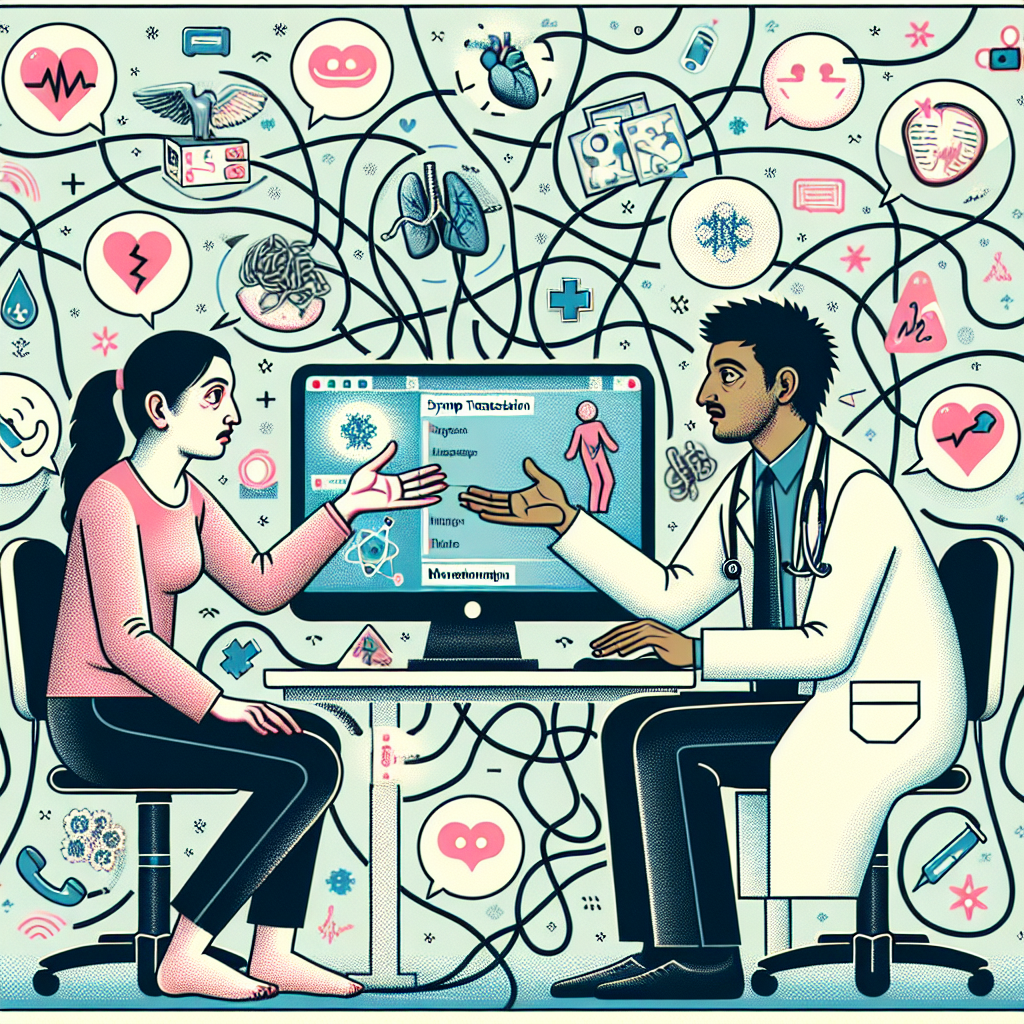
Patients using online platforms tend to prepare more detailed symptom lists before seeking assistance. Typing or selecting from menus urges users to reflect on when symptoms began, the exact nature of their discomfort, and any potential triggers or alleviating factors. This thorough self-reporting provides digital systems—and subsequently, remote physicians—with a richer dataset than an in-office exchange might yield. An analysis in the Journal of Medical Internet Research suggests that detailed online self-reporting can lead to a more accurate diagnosis in 68% of cases.
### Eliminating Wait Times and Geographical Barriers
Traditional clinics often face challenges with long wait times. Appointments with general practitioners can be booked days or weeks ahead, and emergency rooms prioritize cases based on severity. Online platforms bypass these bottlenecks entirely. Regardless of where a patient resides—a rural town or city suburb—they can access the same diagnostic tools instantly. This is crucial for conditions where early detection significantly impacts outcomes, such as early urinary tract or respiratory infections, skin conditions like eczema or mild psoriasis, and common digestive issues such as acid reflux. A quick online assessment can lead to prompt treatment, reducing complications and improving patient satisfaction.
### Challenges and Considerations
While online diagnostics offer speed, they are not foolproof. Key considerations include accuracy—symptom checkers might misclassify rare diseases or present overly broad differential diagnoses. The lack of a physical exam could be a disadvantage for conditions that require hands-on examination or immediate imaging. Data privacy is another concern, with the online sharing of health details raising issues about security and HIPAA compliance. Additionally, there is a risk of overreliance where patients might delay seeking in-person care for serious issues after receiving a benign online result. Both healthcare providers and patients should treat online tools as a preliminary step rather than a definitive diagnosis.
### Best Practices for Rapid Online Diagnosis
To maximize the benefits of digital platforms while mitigating risks, consider the following best practices:
1. Use reputable, medically reviewed apps or websites.
2. Accurately and thoroughly answer all screening questions.
3. Utilize built-in photo or video uploads for skin, eye, or throat issues.
4. If advised to seek in-person care, do so promptly to prevent worsening outcomes.
5. Review platform privacy policies to understand data storage and sharing practices.
### Conclusion: Balancing Speed with Sound Clinical Judgment
The digital revolution in healthcare is here to stay. Though not a full replacement for face-to-face care, online diagnostic tools and telemedicine platforms enable faster assessments for many common conditions. Their 24/7 availability, algorithmic precision, and encouragement of comprehensive self-reporting help patients get swift answers and treatment plans. However, both patients and providers must remain mindful of the limitations, ensuring that online insights are complemented by professional medical evaluation when needed. By balancing speed with sound clinical judgment, we can harness the best of both worlds: the immediacy of online diagnosis and the depth of in-person care.
### References
– McKinsey & Company (2021). Telehealth: A quarter-trillion-dollar post-COVID-19 reality?
– Harvard Medical School (2022). The role of AI in modern diagnostics.
– Journal of Medical Internet Research (2020). Self-reporting in online health assessments.
– eDrugstore – Online consultations and medication.
– Smith, J. (n.d.). Personal communication.
– HIPAA Journal (2023). Ensuring compliance in digital health platforms.