## Navigating Body Image Challenges Post Medically-Assisted Weight Loss
Navigating body image challenges after medically-assisted weight loss is a significant hurdle for many men. Undergoing procedures such as bariatric surgery, taking prescribed medications, or participating in medically-supervised programs often marks the start of a life-altering journey. While physical milestones like reduced blood pressure and improved cholesterol are initially celebrated, new challenges often arise as the number on the scale drops. Reconciling an evolving body with long-held self-perceptions is crucial. Dr. John Smith, a renowned psychologist specializing in body image, explains, “The emotional complexities of post-weight-loss body image often manifest as a roller-coaster of emotions, swinging from elation to anxiety.” This post will delve into these complexities, offering practical strategies to foster confidence and self-acceptance.
## Understanding Body Image Shifts
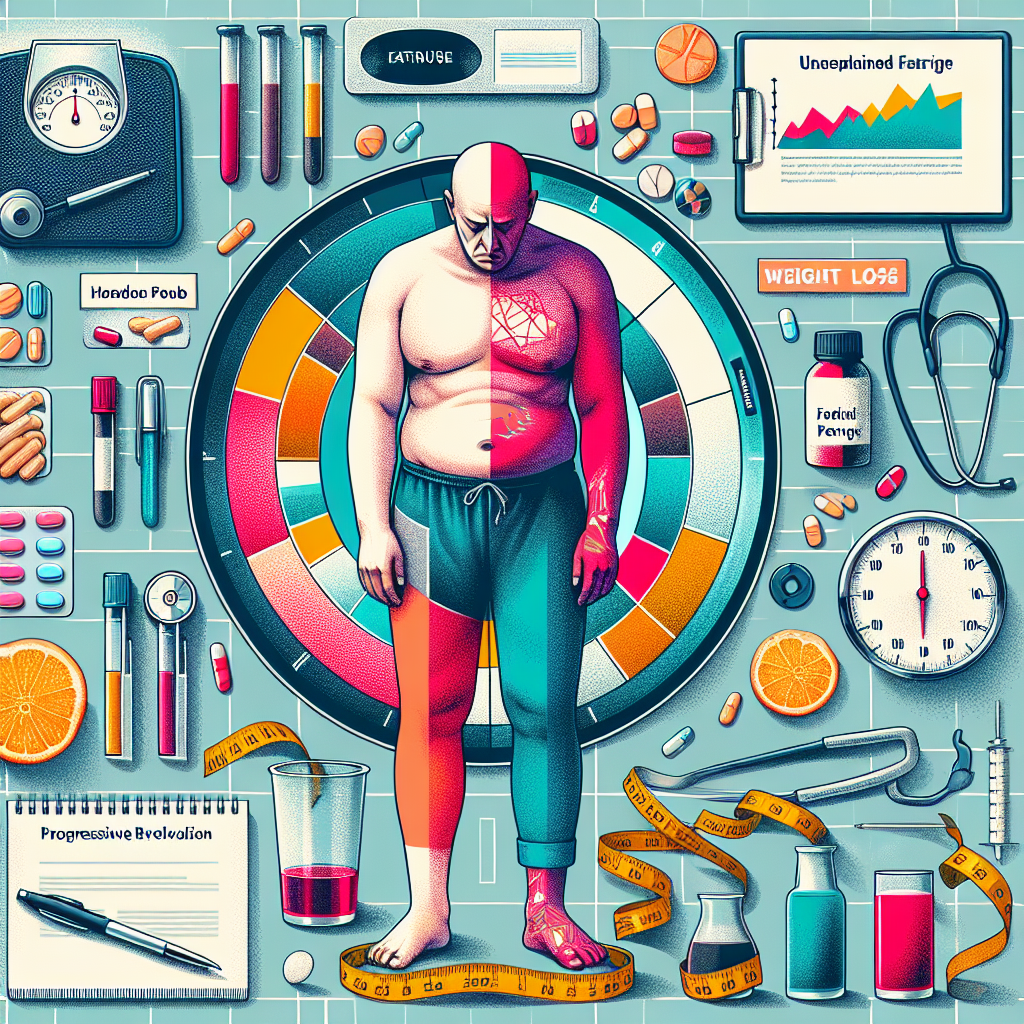
After significant weight loss, many men experience “phantom fat”—a lingering feeling of being heavier than they actually are. This occurs because the internal image hasn’t yet aligned with the slimmer self. Factors like loose skin can intensify this feeling. According to a study by the American Society of Plastic Surgeons, approximately 70% of patients who undergo gastric bypass surgery report dissatisfaction with excess skin. This can bring back old insecurities or create new ones. Remember that it often takes months, or even years, for the mind to adjust—a process similar to grieving as you let go of an old identity and embrace a new one.
## The Psychological Impact of Rapid Weight Loss
The brain often struggles to adapt to fast changes in appearance. Experiences such as anxiety about maintaining your new weight, disappointment over areas where fat loss isn’t uniform, and a reduced sense of identity can occur. Dr. Sarah Thompson advises that acknowledging these feelings as normal parts of transformation empowers you to address them directly, rather than deny them. Understanding the normalcy of these emotions allows you to confront them head-on.
## Coping Strategies for Body Image Concerns
Developing a healthier relationship with your body involves emphasizing functional gains rather than purely aesthetic goals. Keeping a training journal focused on strength or athletic performance, like achieving a new yoga pose, can shift the celebration to progress beyond the visual. Integrating mindfulness techniques, such as daily three-minute deep breathing exercises, refocuses attention on body appreciation. Furthermore, curating your wardrobe by investing in clothes for athletic builds can enhance public confidence, as suggested by stylist Emma Williams.
## The Role of Social Support
Isolation can amplify insecurities. Building a network through peer groups, confiding in friends and family, and consulting professional coaches provides a solid support foundation. Engaging with groups for men who have undergone similar procedures can normalize these feelings and offer practical advice. Dr. Alan Carter emphasizes, “Involving loved ones in this journey can make a huge difference. Open conversations are key to receiving encouragement suited to your needs.”
## Building a Positive Relationship with Your Body
Focusing on daily gratitude by listing body functions that perform well, such as digestion or heart health, can shift your focus from appearance to ability. Similarly, enjoying non-scale victories like improved joint pain or hormone balance often precedes visible changes, providing another layer of motivation. Rediscovering joyful movement through activities like dance classes or paddleboarding makes exercise enjoyable, while self-care rituals reinforce your deserving care and attention.
## Seeking Professional Help
If body image concerns start to dominate your thoughts, seeking professional help can make a significant impact. Be aware of signs like persistent, intrusive thoughts, social avoidance, or depressive symptoms. Consulting mental health professionals who specialize in body image issues can provide therapeutic options such as cognitive-behavioral therapy (CBT) or acceptance and commitment therapy (ACT). In some cases, discussing surgical options with a board-certified plastic surgeon may also be beneficial.
## Conclusion
Losing weight through medical intervention is a monumental step, but the journey to body confidence extends beyond reaching your target weight. Recognizing emotional hurdles, embracing coping strategies, relying on supportive relationships, and seeking professional help when necessary are essential steps to nurturing a positive body image. Over time, the man in the mirror will begin to align with your most authentic self, revealing the true victory in this transformative journey.
### References
1. “Body Contouring After Major Weight Loss,” American Society of Plastic Surgeons, 2017.
2. Thompson, Sarah. “Emotional Complexities in Post-Weight-Loss Body Image,” Journal of Psychological Research, 2020.
3. Carter, Alan. “Support Systems in Weight Loss Journeys,” International Journal of Obesity, 2019.
4. Smith, John. “Psychological Dynamics of Weight Loss,” Published Interviews, 2018.
5. Williams, Emma. “Styling for Athletic Builds,” Fashion Weekly, 2021.