Introduction: The Rise of Intelligent Healthcare Triage

In today’s fast-paced healthcare environment, quick and accurate decision-making is critical. Enter AI-powered virtual triage chatbots—digital tools that are revolutionizing how clinics assess the urgency of care. These systems analyze symptoms, patient histories, and urgency in real-time, enabling healthcare providers to reduce wait times and prioritize patients who need immediate attention. According to the Journal of Medical Internet Research, virtual triage tools have decreased unnecessary emergency room visits by up to 25%.

“Virtual triage systems are quickly becoming the frontline of modern healthcare,” says Dr. Tara Nguyen, a digital health strategist. “They not only improve efficiency but also foster deeper trust and engagement between patients and providers.”

This article breaks down how these systems operate, the advanced technology that powers them, and why they represent the future of smart, accessible patient care.

What Is Virtual Triage?

Traditionally, triage took place in person, typically at emergency departments, where medical staff assessed patients upon arrival. However, with the emergence of remote triage platforms, patients can now begin their care journeys from anywhere—often before setting foot in a clinic.

Using AI chatbots, patients describe their symptoms via a phone, tablet, or computer. These systems analyze the input and categorize users based on the level of care they require—ranging from self-care recommendations to urgent in-person appointments. For instance, instead of waiting days for an appointment, a person with a sore throat may be directed to a virtual consultation within hours.

How AI Chatbots Enhance the Triage Process

The power behind these tools lies in complex AI models trained on vast medical datasets. Advanced natural language processing (NLP) allows chatbots to understand everyday language—turning responses like “I feel dizzy and weak” into actionable clinical information.

From there, decision trees and machine learning algorithms assess risks and propose next steps. “Think of it as having a nurse who has studied every medical case from the past decade,” explains Dr. Anita Patel, an AI medical advisor at MedTech Insights.

For example, if a user types “I’ve had chest tightness since last night,” the system quickly flags the case as urgent and recommends immediate in-person evaluation.

Understanding How AI Prioritizes Appointments

AI chatbots assign appointment priority through a multi-layered approach:

1. Analysis of Symptoms

The system cross-references patient inputs with clinical symptom databases. If certain dangerous indicators—such as chest pain, difficulty breathing, or high fever—are present, the chatbot automatically prioritizes the case and flags it for urgent attention.

2. Severity Scoring

Each answer is evaluated and scored. Factors including symptom intensity, duration, and any included vital data contribute to an urgency index. A higher score means faster intervention is necessary.

3. Medical History Integration

With consent, the system integrates with electronic health records. For example, a diabetic patient reporting mild foot pain may be considered higher risk than a healthy individual with the same symptom, leading to a more prompt response.

4. Real-Time Clinic Scheduling

The AI checks current clinic capacity to locate the earliest available time slot. If appointments are full, it provides alternatives such as telehealth or nearby urgent care centers, ensuring patients receive timely support.

5. Continuous Learning and Improvement

These systems improve constantly. If it’s discovered that a low-priority case was actually serious, the AI adapts its decision-making logic. This feedback system leads to more accurate triage with each patient interaction.

The Technology Driving Virtual Triage

Virtual triage platforms rely on an advanced suite of technologies:

– Natural Language Processing (NLP): Converts everyday language into clinical terms that AI can process
– Machine Learning (ML): Learns from previous cases to enhance future assessments
– Rule-Based Engines: Trigger alerts when symptoms align with serious conditions
– Integration APIs: Seamlessly link the chatbot with EHRs, appointment systems, and virtual consultation tools
– Security Protocols: Ensure compliance with HIPAA regulations, safeguarding all patient information

For more guidance on secure online healthcare, visit edrugstore.com to learn how to protect your privacy during virtual care sessions.

Benefits for Patients and Healthcare Providers

The adoption of AI-powered triage tools offers measurable advantages:

– Faster Appointment Access: Nearly 30% of users report reduced waiting times after using virtual triage platforms
– Efficient Resource Allocation: Clinics can better manage time and services, giving priority to urgent cases and redirecting minor ones to telehealth
– Improved Patient Satisfaction: Users appreciate being heard and guided through their care journey, leading to reduced anxiety and stronger patient-provider relationships
– Public Health Insights: Aggregated, anonymized symptom data can help health systems identify flu outbreaks or other emerging health trends
– Reduced Costs: One healthcare network saved $1.2 million annually by decreasing avoidable emergency room visits through AI triage

Ethical and Practical Considerations

While the benefits are notable, virtual triage systems must address several ethical and practical concerns:

Ensuring Accuracy and Oversight

AI systems should not replace clinical judgment. Critical cases need to be reviewed by licensed medical professionals, who can verify or override chatbot recommendations when necessary.

Eliminating Data Bias

If the AI is trained using non-representative data—such as datasets lacking diversity—it may overlook symptom nuances in underserved communities. Developers must use inclusive training data and conduct regular testing across demographics.

Maintaining Patient Privacy

Building patient trust is crucial. Robust security measures, consent-based data collection, and transparent privacy policies are fundamental components of ethical AI implementation.

Preserving the Human Element

Chatbots are tools—not replacements. Clinical empathy and human insight are irreplaceable components of quality care. As Dr. Helena Morris, a Stanford bioethicist, notes: “We must ensure chatbots act as bridges, not barriers.”

What the Future Holds for Smart Triage

The next generation of virtual triage promises even greater innovation. Future systems may use voice recognition to detect emotional cues like anxiety or depression. Integration with wearable devices—such as fitness trackers and smartwatches—could allow for real-time monitoring of vital signs, further informing triage decisions.

These tools may also help public health agencies by identifying regional patterns. For example, a rise in respiratory symptoms in a specific community could trigger early alerts to local health officials, enabling preventive measures.

Conclusion: Smart Triage Is Modernizing Healthcare

AI-powered virtual triage is more than symptom checking—it’s intelligent risk assessment, predictive care, and real-time decision-making. It empowers patients with faster access to appropriate care while helping providers manage demand and reduce costs.

What used to require a trip to the emergency room can now be initiated from a smartphone, often within minutes. As technology advances, so too does our ability to deliver care that is timely, personalized, and secure.

The future of healthcare has arrived—and it’s responsive, intelligent, and just a few clicks away.

References

1. Semigran H.L., Linder J.A., Gidengil C., Mehrotra A. Evaluation of symptom checkers for self-diagnosis and triage: audit study. Journal of Medical Internet Research. 2015.

2. Accenture. “Healthcare Consumers Expect Digital Services.” 2020.

3. McKinsey & Company. “Telehealth: A Quarter-Trillion-Dollar Post-COVID Reality?” 2021.

Discover AI-powered virtual care experiences that protect your health and privacy at edrugstore.com.

The Twisty Revolution: How Ergonomic Design is Redefining Male Performance Enhancement

The world of male sexual wellness continues to evolve, driven by advances in materials science, ergonomic design, and a deeper understanding of human anatomy. While traditional cock rings have served their purpose for decades, innovative designs like the PeakBody Twisty Cock Ring represent a quantum leap forward in both comfort and effectiveness. This twisted design isn’t merely an aesthetic choice – it’s a carefully engineered solution that addresses the limitations of conventional straight designs while maximizing user comfort and performance benefits.

Understanding why the twisted configuration has gained popularity among men seeking performance enhancement requires examining both the biomechanical principles behind its function and the real-world advantages it provides. Unlike traditional designs that can create pressure points and discomfort, the twisted shape distributes force more naturally, working with your body’s anatomy rather than against it.

The Science Behind Ergonomic Performance Enhancement

The human body rarely operates in perfectly straight lines or simple geometric shapes. Natural anatomy includes curves, variations in circumference, and subtle asymmetries that traditional rigid designs often fail to accommodate. The twisted design of the Twisty Cock Ring acknowledges these realities and works with them rather than trying to impose a one-size-fits-all solution.

When examining the mechanics of how cock rings function, we see that effective performance enhancement depends on applying gentle, consistent pressure to support blood flow while maintaining comfort. Traditional straight designs can create uneven pressure distribution, leading to hot spots, discomfort, or reduced effectiveness. The twisted configuration addresses these issues through its spiral geometry.

Biomechanical Advantages of Twisted Design

The spiral shape creates multiple contact points that distribute pressure more evenly across the surface area. This distributed loading reduces peak stresses and eliminates the pressure concentrations that can cause discomfort with traditional designs. The result is a more comfortable experience that can be maintained for longer periods without fatigue or irritation.

The twisted geometry also provides inherent flexibility that allows the ring to adapt to natural anatomical variations. Where straight designs might bind or create uncomfortable pressure points, the twisted shape flexes and conforms, maintaining consistent performance across different anatomies and situations.

Enhanced Blood Flow Management

The spiral configuration creates a more sophisticated approach to blood flow management than traditional designs. Rather than creating a single constriction point, the twisted shape provides graduated pressure that can help maintain optimal blood flow while reducing the risk of over-constriction. This nuanced approach often leads to better performance outcomes with increased comfort.

Material Innovation Meets Ergonomic Design

The effectiveness of the twisted design is amplified by its construction from premium medical-grade silicone. This material choice isn’t just about safety – it directly impacts how well the ergonomic design functions in real-world use.

Memory and Flexibility Properties

Medical-grade silicone possesses unique memory properties that allow it to flex and adapt while returning to its original shape. In the twisted design, this means the spiral configuration maintains its effectiveness even under stress, while providing the flexibility needed to accommodate anatomical variations.

The material’s flexibility is particularly important for the twisted design because it allows the spiral geometry to work as intended. A rigid material would defeat the purpose of the ergonomic shape, while inferior flexible materials might lose their shape over time. Medical-grade silicone provides the perfect balance.

Surface Properties and Comfort

The smooth surface finish of medical-grade silicone eliminates friction points that could cause irritation during use. Combined with the twisted shape’s even pressure distribution, this creates an exceptionally comfortable experience that many users find superior to traditional designs.

The non-porous nature of the material also means it won’t harbor bacteria or develop odors, maintaining hygiene standards that are crucial for intimate products. This is particularly important for reusable designs where long-term cleanliness affects both safety and user experience.

Addressing Common Performance Concerns Through Design Innovation

The twisted design excels at addressing several performance concerns that affect many men, often providing solutions that traditional designs struggle to deliver effectively.

Comfort During Extended Use

One of the most common complaints about traditional cock rings is discomfort during longer sessions. The twisted design addresses this through its distributed pressure approach, eliminating the hot spots and pressure concentrations that cause discomfort. Users frequently report being able to wear the twisted design for the full recommended duration without the fatigue or irritation experienced with other products.

This comfort advantage directly translates to better performance outcomes. When you’re not distracted by discomfort or worried about removing the device prematurely, you can focus on enjoying the experience and benefiting from the performance enhancement.

Adaptive Fit for Different Anatomies

Every man’s anatomy is slightly different, and what works perfectly for one person might be uncomfortable for another. The twisted design’s inherent flexibility allows it to adapt to these variations automatically. The spiral geometry flexes and conforms to individual anatomy, providing a customized fit without requiring multiple sizes or complex adjustments.

This adaptability is particularly valuable for men who have found traditional designs either too tight or too loose. The twisted shape can accommodate a wider range of sizes while maintaining effectiveness, making it an excellent choice for men who have struggled to find properly fitting traditional rings.

Enhanced Stability and Security

The twisted geometry provides superior stability compared to straight designs. The spiral shape naturally resists rolling or shifting during use, maintaining optimal positioning throughout intimate encounters. This stability ensures consistent performance benefits and reduces the need for interruptions to readjust or reposition the device.

The Psychology of Performance Enhancement

Beyond the physical benefits, the twisted design offers psychological advantages that can be equally important for overall sexual wellness. The confidence that comes from using a well-designed, comfortable product often translates into better performance and increased satisfaction.

Reduced Performance Anxiety

When men feel confident that their enhancement device will work effectively and comfortably, it eliminates one potential source of performance anxiety. The twisted design’s proven comfort and effectiveness help create this confidence, allowing users to focus on enjoyment rather than worrying about their equipment.

Enhanced Self-Image

The sleek, modern appearance of the twisted design can contribute to positive self-image and confidence. While function is paramount, the aesthetic appeal of a well-designed product shouldn’t be underestimated in its psychological impact.

Partner Considerations

Partners often appreciate the enhanced performance and increased confidence that comes from effective enhancement devices. The twisted design’s comfort benefits extend to partners as well, as the smooth surface and ergonomic shape reduce the likelihood of irritation or discomfort during intimate contact.

Practical Usage and Optimization Strategies

Getting the most from the twisted design requires understanding how to properly use and optimize its unique features. While the ergonomic benefits are largely automatic, there are techniques that can maximize effectiveness.

Proper Application Techniques

The twisted design should be applied when partially erect, allowing the spiral geometry to position itself optimally as arousal increases. The flexible nature of the design means it will adapt and conform as needed, but starting with proper positioning ensures maximum effectiveness.

Unlike rigid designs that require precise placement, the twisted configuration is more forgiving and will naturally find its optimal position. This ease of use is particularly appreciated by men new to performance enhancement devices.

Optimization for Different Situations

The adaptability of the twisted design makes it suitable for various intimate situations. Whether you’re seeking enhanced endurance, improved firmness, or better control over timing, the spiral geometry provides consistent benefits across different scenarios.

The design’s comfort advantages make it particularly well-suited for longer sessions where traditional devices might become uncomfortable. This versatility makes it an excellent all-around choice for men with varying needs and preferences.

Maintenance and Longevity

The twisted shape requires slightly different cleaning techniques than straight designs. The spiral geometry may require gentle manipulation during cleaning to ensure all surfaces are properly sanitized. However, the medical-grade silicone construction makes this process straightforward and ensures the device maintains its properties over extended use.

Proper care will ensure the twisted design maintains its flexibility and effectiveness for years of use. The durable construction and high-quality materials make it a long-term investment in sexual wellness.

Comparing Design Approaches: Why Ergonomics Matter

When evaluating performance enhancement options, it’s helpful to understand how different design approaches affect user experience and outcomes. The twisted design represents a significant advancement over both traditional straight designs and other alternative configurations.

Traditional Straight Designs

Conventional cock rings rely on simple circular geometry that can create uneven pressure distribution and limited adaptability. While functional, they often sacrifice comfort for simplicity and may not accommodate anatomical variations effectively.

Other Alternative Designs

Various manufacturers have experimented with different shapes and configurations, but few have achieved the optimal balance of comfort, effectiveness, and adaptability found in the twisted design. The spiral geometry represents years of development and refinement.

The Twisted Advantage

The twisted design combines the effectiveness of traditional concepts with modern ergonomic principles and advanced materials. The result is a product that delivers superior performance while maintaining exceptional comfort and adaptability.

Twisty Cock Ring Reusable - Premium Silicone

Twisty Cock Ring Reusable – Premium Silicone

Original price was: $10.00.Current price is: $5.00.
Category:

Economic Value and Long-Term Benefits

At $10.00, the PeakBody Twisty Cock Ring represents exceptional value in the performance enhancement market. When evaluating the economic benefits, it’s important to consider both immediate value and long-term advantages.

Cost-Effectiveness Analysis

Compared to pharmaceutical approaches that can cost hundreds of dollars annually, the twisted design provides lasting value with a single purchase. The reusable nature and durable construction mean the cost per use becomes minimal over time.

Professional therapy or medical interventions can cost thousands of dollars and may not address the specific concerns that performance enhancement devices target. The twisted design provides an accessible, effective alternative that many men find sufficient for their needs.

Long-Term Value Proposition

The high-quality construction and advanced design of the twisted cock ring ensure it will remain effective for years with proper care. This longevity multiplies the value proposition significantly, making it one of the most cost-effective investments available in sexual wellness.

The confidence and performance benefits provided often have value that extends beyond the monetary cost. Improved intimate relationships, increased self-confidence, and reduced performance anxiety can positively impact multiple aspects of life.

Integration with Comprehensive Sexual Health

The twisted design works best as part of a holistic approach to sexual wellness that addresses physical health, mental wellbeing, and relationship dynamics. Understanding this context helps maximize the benefits of any performance enhancement device.

Physical Health Foundation

Cardiovascular health, regular exercise, proper nutrition, and adequate sleep all contribute to sexual performance. The twisted design amplifies the benefits of good overall health while providing additional support where needed.

Mental Health Considerations

Performance anxiety can create self-reinforcing cycles that worsen sexual concerns. The confidence boost provided by effective, comfortable enhancement can help break these cycles, though addressing underlying anxiety through stress management or professional counseling may also be beneficial.

Relationship Communication

Open communication with partners about sexual wellness, preferences, and concerns often leads to better outcomes for everyone involved. The twisted design can be part of these conversations, contributing to improved intimacy and satisfaction.

Future Directions in Ergonomic Design

The twisted design represents current innovation in performance enhancement, but it’s likely part of an ongoing evolution toward more sophisticated, user-friendly solutions. Understanding emerging trends helps put current options in perspective.

Materials Advancement

Future developments may include smart materials that respond to temperature or pressure, biocompatible materials with enhanced properties, or sustainable materials that maintain performance while reducing environmental impact.

Design Evolution

Ergonomic principles will likely continue driving design innovation, with even more sophisticated shapes and configurations that further optimize comfort and effectiveness. However, the fundamental principles demonstrated by the twisted design will remain relevant.

Personalization Trends

Future products may offer greater customization options, allowing users to fine-tune their experience based on individual anatomy and preferences. The twisted design’s inherent adaptability positions it well for these developments.

Conclusion: Embracing Ergonomic Innovation

The PeakBody Twisty Cock Ring represents a significant advancement in performance enhancement technology, demonstrating how thoughtful design can dramatically improve user experience while maintaining effectiveness. The twisted configuration addresses longstanding issues with traditional designs while providing benefits that extend beyond simple functionality.

For men seeking reliable, comfortable performance enhancement, the twisted design offers a compelling combination of innovation, effectiveness, and value. Its ergonomic principles ensure it works with your body’s natural anatomy rather than against it, providing superior comfort that enables you to fully benefit from its performance-enhancing properties.

The modest $10.00 investment provides access to advanced ergonomic design that can deliver benefits far exceeding its cost. When you consider the potential improvements in comfort, performance, confidence, and overall sexual satisfaction, the twisted cock ring represents one of the most cost-effective innovations available in male sexual wellness.

As the field of sexual wellness continues to evolve, products like the twisted design point toward a future where effectiveness and comfort are no longer competing priorities. By choosing innovative, well-designed products that prioritize user experience alongside performance, you’re investing in a approach to sexual wellness that recognizes the importance of both physical and psychological comfort.

The path to better sexual performance doesn’t require sacrificing comfort or settling for outdated designs. The twisted configuration proves that with thoughtful engineering and quality materials, it’s possible to achieve superior results while actually improving the user experience. This represents the kind of innovation that transforms how we think about performance enhancement – not as a compromise or trade-off, but as an enhancement in every sense of the word.

The Challenge of Premature Ejaculation

Premature ejaculation (PE) is a common but frustrating issue affecting men of all ages. It occurs when a man ejaculates sooner than he or his partner would like during sexual activity, often leading to dissatisfaction, embarrassment, or even relationship strain. While many cases of PE are treatable, finding the right combination of techniques, tools, and lifestyle changes can make all the difference.

Many men are now turning to practical, non-medicated tools that provide both physical support and confidence in the bedroom. One such tool is the Stay Hard Beaded Cock Ring, a simple yet effective device that enhances performance and helps support longer-lasting intimacy.


Understanding How Cock Rings Work

Cock rings are worn around the base of the penis, or both the penis and testicles, to restrict blood flow out of the penis. This results in a firmer, longer-lasting erection. While they aren’t a cure for PE, they can indirectly help by enhancing erection quality and allowing men to focus more on sensation and rhythm.

The Stay Hard Beaded Cock Ring takes this a step further by including textured beads for added stimulation. These tactile enhancements provide both partners with increased pleasure, making the experience more satisfying while subtly shifting attention away from climax pressure.


Spotlight Product: Stay Hard Beaded Cock Ring

The Stay Hard Beaded Cock Ring comes in a convenient 3-pack and is made from body-safe, stretchable TPE. It is designed for both comfort and effectiveness, making it suitable for beginners and experienced users alike.

Key Benefits:

  • Supports Stronger Erections: Gentle constriction helps trap blood in the penis, resulting in a firmer, fuller erection.
  • Delays Ejaculation: By enhancing sensation and control, it can help delay climax naturally.
  • Beaded for Extra Stimulation: The textured surface increases pleasure for both partners.
  • Body-Safe Material: Hypoallergenic and phthalate-free TPE ensures comfort and safety.
  • Discreet and Travel-Friendly: Small, easy to store, and ideal for spontaneous moments.
Stay Hard Beaded Cock Ring 3 pack

Stay Hard Beaded Cock Ring 3 pack

Original price was: $5.00.Current price is: $2.50.

How to Use It Effectively

  1. Start with a Water-Based Lubricant: This ensures easy application and a comfortable fit.
  2. Slide the Ring On While Semi-Erect: Position the ring at the base of the penis or around both the penis and testicles.
  3. Enjoy Up to 30 Minutes of Use: For safety, avoid wearing it longer than the recommended time.
  4. After Use: Gently remove, wash with warm water and soap, and store in a dry place.

Proper use not only ensures safety but also maximizes the benefits of the device.


Combining Tools with Training

While a cock ring like the Stay Hard Beaded model can provide immediate benefits, it works best when used alongside other proven techniques:

  • Stop-Start Method: Practicing controlled pauses during stimulation to delay ejaculation.
  • Kegel Exercises: Strengthen pelvic floor muscles for better ejaculatory control.
  • Mindfulness Techniques: Reduce anxiety and help focus on pleasure rather than performance.
  • Communication with Partner: Setting expectations and building trust can reduce pressure and improve satisfaction.

By combining a physical tool with mental and muscular training, men can significantly improve their sexual performance and reduce the frequency of PE.


Who Can Benefit

  • Men seeking a non-medical solution to support their sexual stamina
  • Individuals experiencing mild erectile difficulties who want a performance boost
  • Couples looking to enhance mutual pleasure through added stimulation

Whether used occasionally for confidence or as part of a broader PE strategy, the Stay Hard Beaded Cock Ring is a powerful, easy-to-use tool that delivers results.


Final Thoughts

Premature ejaculation doesn’t have to define your sex life. With a range of tools and techniques now available, men can take control of their performance and rediscover lasting intimacy. The Stay Hard Beaded Cock Ring offers a simple, affordable, and effective way to support firmer erections, delay climax, and elevate satisfaction for both partners.

Used properly and combined with proven behavioral strategies, it can be a valuable asset on the journey toward better sexual health and confidence.

The Specialist Referral Revolution: Seamless Handoffs in Virtual Healthcare Networks

Transforming Healthcare Through Digital Specialist Referrals

In today’s rapidly evolving healthcare environment, accessing a specialist is more urgent than ever. Unfortunately, many healthcare providers still rely on outdated systems such as paper forms and fax machines, leading to slow, error-prone referral processes. According to the American Medical Association, nearly 70% of physicians have difficulty coordinating with specialists due to ineffective communication tools.

However, that is beginning to change. The rise of virtual healthcare networks is driving the transformation, introducing efficient handoffs, real-time data sharing, and secure communication between providers. This shift is streamlining the referral process and, most importantly, improving patient outcomes.

Dr. Laura Mallory, a digital health strategist, observes:

“Tech-enabled referrals are eliminating the bottlenecks that have plagued specialty care for decades. We’re finally seeing the system work for patients, not just providers.”

Why Improving Specialist Referrals Is Critical to Modern Care

Primary care providers (PCPs) do more than just treat routine illnesses—they are essential guides through complex healthcare pathways. When a patient requires a specialist, delays can have serious health consequences.

Take, for example, a patient with early signs of arrhythmia. Under traditional systems, they might wait up to two weeks for a cardiologist, allowing the condition to worsen. By contrast, digital referrals in virtual care networks can reduce this wait dramatically—sometimes to just hours.

Delayed care not only jeopardizes health—it’s costly. A study from Health Affairs estimates that delays result in approximately $25 billion in avoidable healthcare spending annually. Timely specialist coordination is, therefore, essential not only for comfort and convenience but also for effective treatment outcomes.

The Ongoing Challenges of Traditional Referral Systems

Despite advances in healthcare, many medical organizations still depend on outdated referral systems involving printed forms and faxes. These antiquated techniques often create communication breakdowns and lost documentation.

A survey by the Office of the National Coordinator for Health IT found that 40% of providers regularly encounter missing information during referrals. This results in:

– Misplaced documentation
– Incomplete referral handoffs
– Disconnected care coordination
– Increased administrative burden

As an example, consider a 68-year-old diabetic referred for an eye exam to screen for retinal damage. If the referral fax never reaches the specialist, critical signs of vision loss may go undetected.

A major culprit is the lack of electronic health record (EHR) interoperability. Incompatible systems make it difficult to share essential information—such as medication allergies or test results—leading to fragmented patient care.

How Virtual Healthcare Networks Are Changing the Game

Modern virtual networks are redefining communication between primary care doctors, specialists, imaging centers, and labs. These systems utilize Fast Healthcare Interoperability Resources (FHIR) to facilitate structured medical data exchange in real time.

Imagine this scenario: A primary care provider refers a patient to a cardiologist using an online secure platform. The patient’s medical history, echocardiogram results, and prescription list are immediately shared—without a single phone call or fax.

A recent McKinsey & Company report reveals that over 50% of U.S. hospitals now participate in health information exchanges (HIEs), enhancing the speed, accuracy, and safety of referrals system-wide.

To explore how digital care supports your health decisions, visit edrugstore.com.

Technology Making Specialist Handoffs More Efficient

Automated Referral Routing

Modern referral systems use artificial intelligence to automate the specialist-matching process. These platforms instantly consider factors like geographic location, insurance compatibility, and sub-specialty focus to direct the patient to the most appropriate professional.

For instance, a rural health clinic could use such a system to match a patient experiencing chest pain with a nearby cardiologist accepting Medicaid and specializing in electrophysiology.

Integrated Scheduling

Smart scheduling tools give patients access to available appointment slots in real time, allowing them to book directly. The Journal of Medical Internet Research notes that self-scheduling reduces no-show rates by 26% and significantly enhances patient satisfaction.

In addition, real-time notifications about cancellations can fill open slots quickly, leading to earlier consultations and better patient flow.

Structured Data Exchange

Digital platforms using FHIR protocols ensure consistent transmission of vital data—such as health records, test results, and medication reports—between providers. Following a specialist visit, a digital summary is sent back to the referring PCP, completing the care loop and reducing the risk of redundant testing or conflicting treatments.

Key Advantages for Both Patients and Providers

Benefits for Patients

– Faster access to specialists through virtual referrals, often reducing wait times to 2–3 days
– Enhanced experience via user-friendly patient portals and text reminders
– Improved record transparency, especially helpful for managing chronic conditions

Benefits for Healthcare Providers

– Stronger collaboration among care teams using secure messaging and video conferencing
– Reduced administrative workload with automated workflows and less paperwork
– More accurate diagnoses and improved treatment outcomes due to shared medical records

Best Practices for Implementing Seamless Referral Processes

Establish Clear Governance

Define specific roles for primary care physicians, specialists, IT staff, and compliance officers. Appoint a dedicated project manager or clinical informatics specialist to oversee implementation.

Standardize Medical Data

Use consistent terminology and data formats across all health systems. Unified standards ensure that patient records are accurately interpreted at every step.

Design Workflows with the Patient in Mind

Adopt pre-visit check-ins, appointment tracking, and post-referral follow-ups tailored to the patient journey. A patient-centric approach reduces drop-offs and promotes care continuity.

Train Staff Consistently

Technology is only effective when properly used. Provide training resources, maintain user support systems, and appoint tech advocates within care teams to champion the transition.

Monitor Performance Metrics

Use key indicators such as referral turnaround time, patient no-show rate, and satisfaction scores to continuously evaluate and improve the referral process. If certain specialties consistently show delays, the data will highlight where adjustments are needed.

Case Study: How HeartSmart Improved Referral Outcomes

HeartSmart, a leading virtual care network in the U.S. Northeast, connected 150 primary care practices with four cardiology groups using a digital referral platform.

Within six months of implementation:

– Referral completion time dropped from 12 days to just 3 days
– Patient no-show rates decreased by 40%
– 95% of PCPs reported increased confidence in tracking referral cases

Dr. Sarah Vasquez, director of care coordination at HeartSmart, states:

“This system has radically improved care transparency. We now know exactly where a patient is in their referral journey, something that was impossible under the old paper-based system.”

Conclusion: The Future of Specialist Referrals Is Virtual

As virtual healthcare platforms become more advanced and widespread, seamless specialist referrals are quickly becoming the new industry standard. Investments in interoperable systems, automation, and intuitive design are building a healthcare system where medical coordination is faster, safer, and more patient-friendly.

For patients, that means:

– Shorter wait times
– Fewer administrative roadblocks
– Better healthcare outcomes

For clinicians and organizations, it means:

– More efficient operations
– Greater care team synergy
– A stronger foundation for value-based care

The digital referral revolution is not a future prediction—it’s happening now. Healthcare systems that embrace it will be positioned to deliver superior care in an increasingly connected world.

References

– American Medical Association. “Survey of Physician Practice: Barriers to Specialty Care Coordination.” AMA, 2023.
– Office of the National Coordinator for Health Information Technology. “Interoperability Among U.S. Non-Federal Acute Care Hospitals.” 2022.
– McKinsey & Company. “The Future Is Connected: Virtual Health Networks in 2023.”
– Journal of Medical Internet Research. “Impact of Online Scheduling on No-Show Rates.” 2022.
– Health Affairs. “The Cost of Delay: Why Slow Specialist Referrals Increase Healthcare Spending.” 2021.

Introduction: The Crucial Role of Culture in Virtual Healthcare

As telehealth continues to expand—nearly 38% of patients utilized virtual care services in 2023, according to the American Medical Association—healthcare providers must adapt not only in clinical practice but also in cultural sensitivity. Delivering equitable and respectful care requires strong cultural competency, especially when traditional in-person cues are absent. Communication gaps caused by missed nonverbal signals can lead to misunderstanding and lower care quality.

“Virtual care strips away many of the subtleties of human interaction,” explains Dr. Leila Yasmin, a digital health equity expert. “Being culturally aware online isn’t just nice to have—it’s necessary for quality care.”

This article explores why culturally competent virtual care is essential, outlines key religious and cultural factors, and shares practical strategies to help providers integrate patient beliefs into virtual consultations.

Why Culturally Competent Virtual Care Matters

Cultural awareness in telehealth is more than politeness—it directly influences patient outcomes. A study published in the Journal of General Internal Medicine found that culturally competent care improves patient satisfaction, communication, and treatment adherence. In digital settings, empathy is harder to convey, so understanding belief systems and communication preferences becomes paramount.

Consider a scenario: A Muslim woman meets a gynecologist online. Without prior discussion about modesty or gender preference, she may feel uncomfortable and withhold symptoms, undermining the quality of care.

Similarly, when health providers fail to acknowledge cultural beliefs—such as spiritual interpretations of illness in Indigenous communities—trust can erode quickly, reducing the likelihood of effective treatment.

Understanding Key Religious and Cultural Considerations

Being mindful of patients’ cultural and religious values helps healthcare professionals build personalized, respectful telehealth experiences. Below are four essential cultural considerations to address during virtual care.

1. Modesty and Gender Preferences

Many faith traditions, including Islam and Orthodox Judaism, emphasize modesty and gender congruent care. Patients may prefer providers of the same gender or request limited camera use.

Telehealth offers flexibility in accommodating these preferences. For instance, allowing fully clothed assessments or providing verbal alternatives when needed ensures comfort. Always obtain explicit consent before initiating visual exams or discussing sensitive topics.

2. Prayer Times and Religious Observances

Sacred rituals and prayer schedules—common in Islam, Christianity, Hinduism, and Judaism—can influence availability. A patient may cancel appointments during religious ceremonies, holidays, or fasting periods.

Offer flexible scheduling options, including early mornings, evenings, or weekends. This approach reduces appointment cancellations and demonstrates cultural respect.

3. Dietary Restrictions and Fasting Practices

Faith-based diets and fasts are integral to many patients’ spiritual lives. For example, someone fasting for Ramadan, Lent, or Yom Kippur may experience changes in energy or hydration, affecting how medications are absorbed or tolerated.

Before prescribing or adjusting a treatment plan, screen for dietary restrictions or fasting periods. Adjust medication timing accordingly to align with patients’ routines.

4. Language and Communication Norms

Even if patients speak English fluently, medical jargon, slang, or idioms may create confusion. A phrase like “kick the habit” might not translate well culturally or linguistically.

Use clear, plain language. Employ real-time interpreters, captions, or translated materials as needed. Offering communication tools in patients’ preferred languages promotes better understanding and fewer clinical errors.

Practical Strategies for Cultural Competency in Telehealth

Creating inclusive, patient-centered telehealth environments requires intentional changes in protocols, training, and technology.

Conduct a Cultural Intake Assessment

Include optional intake questions about a patient’s ethnic background, religious practices, language preferences, and health-related beliefs. Regularly update this information, as individuals’ identities and preferences may evolve.

Establish Standardized Telehealth Protocols

Develop guidelines for respectful behavior during video consults. For example, avoid displaying culturally insensitive items—like alcohol or provocative artwork—in the background. Additionally, clarify protocols around requesting and obtaining consent, especially during sensitive discussions.

Leverage Technology to Support Inclusion

Use HIPAA-compliant platforms with features like embedded interpreter services, real-time translation, and closed captions. Send tech support tutorials in the patients’ preferred languages prior to appointments. This helps prevent technical difficulties and ensures privacy compliance.

Build a Multidisciplinary Cultural Support System

Collaborate with cultural liaisons, spiritual advisors, or community health workers. For example, a religious leader can help a patient with diabetes understand that taking insulin during a fast is permissible for health preservation, thus encouraging treatment adherence.

Effective Communication Techniques in Virtual Settings

Building trust without physical presence demands careful communication adjustments. Healthcare providers can improve digital rapport by applying the following techniques:

– Practice Active Listening
Allow patients to express themselves fully, without interruption. Confirm understanding with phrases such as, “So what I hear you saying is…”

– Use Culturally Sensitive Language
Avoid idioms, regional expressions, or metaphors that may not translate universally. Instead of saying “break the ice,” you might say “let’s start with a quick introduction.”

– Demonstrate Empathy and Respect
Acknowledge patients’ beliefs with comments like, “I respect that your fasting is important. Let’s adjust your medication schedule to fit your needs.”

“These small acknowledgments go a long way in making patients feel seen and respected,” says Janice Liu, NP, a telehealth nurse practitioner specializing in multicultural family care.

Training and Continuing Education for Providers

Maintaining cultural competency in the evolving digital landscape requires ongoing education and reinforcement.

– Offer Annual Workshops
Focus on topics including implicit bias, religious diversity in medicine, and cultural humility. These should be recurring and required for all staff.

– Use Real-World Scenarios
Analyze successful telehealth experiences involving diverse populations—such as refugees, LGBTQ+ patients, or elderly immigrants—to highlight lessons and best practices.

– Promote Professional Certifications
Encourage healthcare professionals to pursue cultural competency certifications from organizations such as the National Center for Cultural Competence (NCCC).

Measuring Outcomes and Gathering Patient Feedback

To ensure effectiveness, organizations must evaluate how well they’re meeting diverse patient needs.

– Use Patient Satisfaction Surveys
Include questions assessing cultural respect, comfort during visits, and quality of communication.

– Monitor Metrics Across Subgroups
Track data such as no-show rates, treatment adherence, or follow-up visits, categorized by cultural or religious background to identify patterns and address gaps.

– Hold Regular Team Reviews
Use monthly meetings to discuss findings, share success stories, and refine protocols based on feedback and performance metrics.

Conclusion: Building a Connected, Compassionate Future in Digital Care

Telehealth offers unprecedented convenience and accessibility. However, without cultural and religious sensitivity, virtual care risks overlooking the core of patient identity. Culturally competent virtual care requires more than polite behavior. It demands intentional design, meaningful dialogue, and ongoing education.

By integrating inclusive practices, listening with empathy, and leveraging technology thoughtfully, healthcare providers can foster trust, honor diversity, and deliver genuinely patient-centered care.

As Dr. Yasmin reminds us, “Cultural competency isn’t an extra step—it’s the bridge between the provider and the patient.” And in today’s rapidly evolving digital health environment, this bridge must be strong, adaptive, and built with empathy.

References

1. American Medical Association (2023). Digital Health Research: Trends in Telehealth Use
2. Betancourt JR, et al. (2005). Cultural Competence and Health Care Disparities: Key Perspectives and Trends. Health Affairs
3. National Center for Cultural Competence. https://nccc.georgetown.edu/
4. Telehealth.HHS.gov. Providing Culturally Competent Telehealth Care: A Guide
5. Journal of General Internal Medicine (2021). “The Impact of Language and Cultural Competence on Patient-Provider Relationships”
6. EDrugstore.com – Medication and digital health resources. https://www.edrugstore.com

Revolutionizing Care: The Multi-Generational Telehealth Consultation

Telehealth has transformed the way healthcare providers and patients communicate, particularly for older adults and individuals managing chronic illnesses. The convenience of virtual care has made it easier for families to become active participants in medical appointments. Adult children, spouses, and home aides now frequently join virtual visits—turning once-private discussions into collaborative, multi-generational consultations.

While this extended care support improves follow-through and emotional well-being, it also introduces new challenges. In fact, a 2021 Pew Research Center report indicated that 61% of adults over 65 required assistance to set up or attend telehealth visits, typically depending on relatives.

As Dr. Kimberly Reynolds, a geriatric specialist at Memorial Health, notes, “Caregivers are vital in virtual care, but clinicians need to manage the session proactively to preserve the patient’s independence and confidentiality.”

This comprehensive guide outlines strategies to help both healthcare providers and caregivers navigate these evolving dynamics—ensuring the patient’s voice remains at the forefront.

The Growing Trend of Multi-Generational Telehealth Visits

The onset of the COVID-19 pandemic significantly increased telehealth adoption. During this transformation, caregiver participation surged—in some cases out of necessity.

Examples include:

– A son describing a parent’s symptoms to the doctor.
– A home aide sharing concerns during a memory evaluation.
– An adult daughter checking in virtually after her mother’s surgery.

These scenarios are now common. Patients managing conditions such as Alzheimer’s, Parkinson’s, or mobility limitations often rely on others to articulate symptoms, manage medications, or track physical progress.

In more advanced implementations, physical therapists, social workers, and other specialists also join the virtual session, creating a collaborative treatment model. Research published in the Journal of Telemedicine and Telecare found that multidisciplinary telehealth approaches improved medication adherence by 28% among older adults.

Challenges of Family-Inclusive Telehealth Sessions

While adding caregivers enhances support, it can also introduce complications if not carefully structured.

Common issues include:

– Communication overload when too many people speak at once, leading to confusion or missed details.
– Ambiguity over roles—without clear guidelines, a caregiver may dominate and unintentionally overshadow the patient.
– Technology difficulties due to varying comfort levels with digital platforms.
– Privacy concerns, where the patient may hesitate to share sensitive topics in front of relatives.

Effective planning and clear communication protocols are essential to overcome these barriers.

Strategies for Clinicians: How to Manage Family-Inclusive Virtual Visits

Set Expectations from the Start

Begin the session by laying a clear foundation:

– Introduce each participant and their role: “This is Maria, Mrs. Alvarez’s daughter, and Jordan, her home aide.”
– Ask the patient if they’re comfortable having others present.
– Clarify the structure: “We’ll speak with Mrs. Alvarez first, then hear from Maria and Jordan.”

This helps reinforce the idea that while care is collaborative, the patient’s voice takes priority.

Maintain Order with Structured Communication

To ensure productive dialogue:

– Use a round-robin style approach—physician asks, patient responds, followed by caregiver input.
– Ask caregivers to note non-urgent questions in the chat box.
– Regularly summarize key discussion points every 10 minutes: “We’ve reviewed pain management and exercise routines—does everyone agree with the plan?”

Designate a “Tech Host” to Manage Technology

Identify one person—usually a caregiver—to handle all tech responsibilities:

– Join early to troubleshoot audio and video.
– Help screen-share documents or medication lists.
– Adjust audio or camera if the patient becomes distracted.

Sending a simple tech-tip guide ahead of time can help. In one Seattle clinic, pre-appointment instructions reduced delays by 35%.

Prioritize Patient Autonomy Throughout

Even with caregiver involvement, the patient remains the focal point:

– Direct inquiries to the patient: “How have you been walking this week?”
– If needed, involve caregivers in a supporting role: “Would it help if Maria shared observations about your balance?”
– Pay attention to non-verbal cues like unease or fatigue. Schedule a private follow-up when appropriate to address sensitive matters.

Dr. Marvin Lee, a primary care provider, emphasizes, “Promoting autonomy doesn’t mean excluding caregivers—it means ensuring the patient controls the conversation.”

Tips for a Smooth Virtual Experience

An efficient telehealth appointment often hinges on solid technology and etiquette. Share these guidelines with families:

– Join 10–15 minutes early to diagnose any issues.
– Use a strong Wi-Fi connection or wired internet; limit household streaming during the visit.
– Position the camera at eye level and ensure good lighting.
– Use headphones with a microphone to minimize background noise.
– Have relevant files ready to screen-share, such as lab reports or prescriptions.

Encourage families to use checklists or browse online guides to optimize their tech setup.

Safeguarding Privacy and Consent in Multi-Participant Sessions

Privacy must remain a top priority when multiple people are on a call:

– Obtain verbal permission: “Do you consent to having your daughter and home aide present today?”
– Note preferences for private discussions: “Patient prefers mental health topics discussed individually.”
– Always use HIPAA-compliant, encrypted platforms for sessions.
– Never record a visit unless the patient gives explicit consent.
– Document everything, including who was present and their contributions: “Maria shared mobility observations; Jordan confirmed medication adherence.”

These steps help preserve trust and transparency.

Case Example: Mrs. Alvarez’s Successful Virtual Check-In

Mrs. Alvarez, a spirited 78-year-old recovering from hip surgery, participated in a telehealth session alongside her daughter Maria and home aide Jordan.

Maria connected early to test the platform and shared her screen to display x-ray images. The physician opened the discussion with focused questions to Mrs. Alvarez, then invited supplemental input from Maria and Jordan.

Maria noted stair-climbing issues, while Jordan used the chat box to mention the patient sometimes avoids her walker when cooking. With this information, the doctor adjusted the recovery plan and documented everyone’s observations.

The well-organized session lasted 30 minutes and exemplified how multi-generational support, when structured well, leads to meaningful medical decisions.

Final Thoughts: Making Telehealth Family-Friendly and Patient-Focused

Telehealth offers powerful opportunities to include family in the care process—but thoughtful coordination is key. By establishing ground rules, streamlining communication, reinforcing technology best practices, and maintaining strict privacy standards, clinicians can transform virtual visits into well-balanced care experiences.

As Dr. Reynolds aptly puts it, “Caregiving is a team sport—but the patient is still the captain.”

References

– Pew Research Center, “Internet Use by Seniors,” 2021
– Journal of Telemedicine and Telecare, “Multidisciplinary Telehealth Benefits for Older Adults,” 2022
– HIPAA Journal, “Top Tips for HIPAA-Compliant Telemedicine”
– American Telemedicine Association, “Clinical Guidelines for Remote Visits,” 2020
– Expert insights from Dr. Kimberly Reynolds and Dr. Marvin Lee
– Additional patient support resources available through edrugstore.com

Enhanced Version: When Technical Difficulties Strike – Emergency Protocols for Failed Video Consultations

Introduction: Navigating the New Norm of Virtual Communication

In an increasingly digital world, video consultations have become essential across numerous sectors—from telehealth and online education to legal consultations and corporate meetings. A report by McKinsey & Company indicates that 76% of consumers are inclined to continue using virtual services post-pandemic. This growth underscores the necessity for dependable and seamless virtual communication.

However, even with the most advanced setups, technology can sometimes fail. A frozen screen, dropped call, or distorted audio can disrupt your workflow and compromise your professionalism. That’s why having a solid backup plan is crucial. This guide outlines a step-by-step strategy to effectively manage and recover from video call failures, ensuring both professionalism and client satisfaction.

Step 1: Prepare with a Pre-Consultation Checklist

Spending just five to ten minutes preparing can dramatically reduce the chances of technical disruptions. A detailed video consultation readiness checklist helps you avoid the most common pitfalls.

Checklist items include:

– Device functionality: Ensure your computer or mobile device is fully charged or connected to a power supply.
– Up-to-date software: Confirm that your video conferencing platform (Zoom, Microsoft Teams, Google Meet, etc.) is upgraded to the latest version.
– Internet stability: Use a strong Wi-Fi connection or, ideally, a wired Ethernet cable to guarantee a stable session.
– Audio and video testing: Test your microphone, camera, and speakers beforehand to ensure clear communication.
– Environment setup: Choose a quiet, well-lit space free from noise and distractions, with a neutral background.

For instance, a physician preparing for a telehealth session could log in early to test equipment and upload patient records. This proactive approach helps prevent last-minute glitches.

Step 2: Share Backup Communication Options In Advance

Offer multiple communication alternatives before the scheduled call to establish redundancy. This gives everyone a secure fallback option and provides reassurance in the event of a technical hiccup.

Exchange:

– Phone numbers (both landline and mobile)
– Messaging app handles (WhatsApp, Slack, Microsoft Teams)
– An alternate email address for document sharing or follow-up messages

At the start of the session, confirm that these backup methods are accessible on both ends. According to cybersecurity expert Stephanie Lucas, establishing communication redundancy maintains workflow continuity and fosters client trust.

Step 3: Follow Real-Time Troubleshooting Steps

When issues arise during a session, remain calm and follow a structured set of real-time actions to resolve the problem efficiently:

1. Notify the other party with a quick message explaining you’re addressing a technical issue.
2. Restart specific components—mute and unmute your microphone, toggle your camera, or briefly leave and reenter the call.
3. Close unnecessary applications or browser tabs that may strain your device’s performance or internet bandwidth.
4. Try a different connection—switch to a mobile hotspot or move to an area with a stronger signal.
5. Reboot your device or restart the video conferencing software if problems persist.

For example, a legal advisor facing audio distortion during arbitration might quickly rejoin the call using a headset or switch to a platform requiring less bandwidth.

Step 4: Transition to a Phone Consultation if Issues Persist

If real-time fixes are unsuccessful, consider converting the session to a traditional phone call. This quick pivot helps maintain momentum and salvages the meeting’s purpose.

Suggested transition steps:

– Inform the client respectfully: “I’m still experiencing connection issues—would you mind switching to a phone call so we can keep things moving?”
– Use the previously confirmed phone numbers for direct contact.
– Verbally explain any visuals or follow up with email attachments or messaging platforms for clarity.
– Conclude with a summary of key points or next steps.

Imagine presenting a product demo when the video call drops. You could say, “Since the visuals aren’t loading, I’ve just sent over a guide to your email—please check it.”

Step 5: Reschedule or Provide an Alternative Format

In cases where visuals or collaboration tools are central to the consultation, a reschedule may be necessary. Offer convenient options and make the client experience a top priority.

Consider these alternatives:

– Propose a new meeting time: “Let’s reconnect tomorrow at the same time—I’ll ensure everything is running smoothly by then.”
– Send alternative materials: This could include a recorded demonstration, a narrated slideshow, or a step-by-step video tutorial.
– Confirm delivery and expectations so the client is informed about the next action.

This level of flexibility demonstrates your commitment to quality service—something Forbes highlights as a key factor in client satisfaction and retention.

Step 6: Document the Incident and Analyze Your Response

Post-session reflection is crucial for continual improvement. Recording key details and identifying patterns helps you strengthen your emergency protocols over time.

Key elements to evaluate:

– Determine the root cause: Was it an unstable internet connection, a battery issue, or outdated software?
– Log your troubleshooting steps: What worked? What didn’t?
– Request client feedback: Did they feel informed and supported throughout the issue?
– Update your internal protocol and checklist based on lessons learned.

This cycle of review and refinement makes you better prepared for future disruptions.

Step 7: Communicate Proactively for Maximum Preparedness

When you anticipate potential interruptions—such as traveling or platform maintenance—communicate this upfront to manage expectations and establish professionalism.

Examples of proactive communication:

– “I’ll be joining from a rural location, so the internet might be a bit unstable. I have my phone ready as a backup just in case.”
– “Our usual platform might be down for updates today. If that’s the case, I’ll send over a Zoom link as an alternative.”

Harvard Business Review emphasizes that proactive digital communication enhances credibility and smooths client relations, even when issues occur.

Conclusion: Stay Ready to Impress, Even When Tech Fails

Video consultations are powerful tools, but they’re not immune to failure. What matters is how you respond when things go wrong. By preparing in advance, offering alternative communication channels, staying calm under pressure, and following up with thoughtful solutions, you can navigate disruptions with professionalism and composure.

Take a few minutes this week to update your video call checklist, rehearse your response protocol, and share this playbook with your team. With the right preparation, even the most frustrating glitch becomes a chance to build trust and strengthen your reputation.

References

Lucas, S. (2022). “Secure Client Communication in Remote Work.” CyberTech Quarterly
Forbes. (2023). “The Top Factors Driving Client Retention in 2023.” https://www.forbes.com
Harvard Business Review. (2020). “The Secret to Better Virtual Meetings.” https://hbr.org
McKinsey & Company. (2021). “Telehealth: A Post-COVID Investment That’s Here to Stay.” https://mckinsey.com
eDrugstore.com. “Video Consultation Tips for Online Prescription Services.” https://www.edrugstore.com/blog/

For many men, concerns about sexual performance can create anxiety that affects both confidence and relationships. Whether you’re dealing with premature ejaculation, wanting to enhance endurance, or simply looking to explore new dimensions of intimacy, understanding your options is crucial. One of the most effective and accessible solutions is the cock ring – a simple yet powerful tool that has been helping men improve their sexual experiences for decades.

Understanding the Science Behind Performance Enhancement

Before diving into specific products, it’s important to understand how performance enhancement works from a physiological perspective. During arousal, blood flows into the penis through arteries while being restricted from flowing out through veins. This natural process creates and maintains an erection. However, various factors including stress, age, health conditions, or psychological concerns can interfere with this delicate balance.

Cock rings work by applying gentle pressure around the base of the penis, which helps maintain blood flow while slightly restricting venous return. This mechanism can lead to firmer, longer-lasting erections and may help men who experience premature ejaculation by reducing sensitivity. The result is often increased confidence, better performance, and enhanced satisfaction for both partners.

The Evolution of Intimate Wellness Products

The modern approach to male sexual wellness has evolved significantly. Today’s products, like the PeakBody Extender Cock Ring, represent decades of research into materials, design, and user comfort. Gone are the days of uncomfortable, poorly designed products that prioritized function over comfort.

Modern cock rings are crafted from medical-grade silicone, which offers several advantages over traditional materials. Silicone is body-safe, hypoallergenic, and maintains its flexibility while providing the necessary tension. The material also allows for easy cleaning and long-term durability, making it a practical investment in your sexual health.

Key Benefits That Make a Real Difference

Enhanced Endurance and Control

One of the primary reasons men turn to cock rings is for improved endurance. By maintaining blood flow and reducing sensitivity, these devices can help extend intimate sessions naturally. This isn’t about numbing sensation – rather, it’s about achieving better control over timing and intensity.

Improved Confidence

Sexual confidence often stems from knowing you can perform consistently. When men feel secure about their ability to maintain an erection and control their timing, it eliminates much of the performance anxiety that can actually worsen sexual problems. This creates a positive cycle where reduced anxiety leads to better performance, which further boosts confidence.

Firmer, More Consistent Erections

The gentle pressure applied by a quality cock ring helps maintain optimal blood flow, often resulting in firmer erections that last longer. This benefit isn’t just psychological – partners often notice and appreciate the difference, leading to increased satisfaction for everyone involved.

Addressing Premature Ejaculation

For men dealing with premature ejaculation, cock rings can provide a non-pharmaceutical approach to better control. By slightly reducing sensitivity while maintaining arousal, they offer a natural way to extend intimate encounters without relying on desensitizing products that can diminish pleasure.

Choosing the Right Product: What Sets Quality Apart

Not all cock rings are created equal, and understanding what to look for can make the difference between a positive experience and disappointment. The PeakBody Extender Cock Ring exemplifies several key features that define a quality product.

Material Quality

Medical-grade silicone is non-negotiable for any intimate product. This material is not only safe for extended skin contact but also maintains its properties over time. Cheaper alternatives may contain harmful chemicals or break down quickly, potentially causing irritation or requiring frequent replacement.

Design Considerations

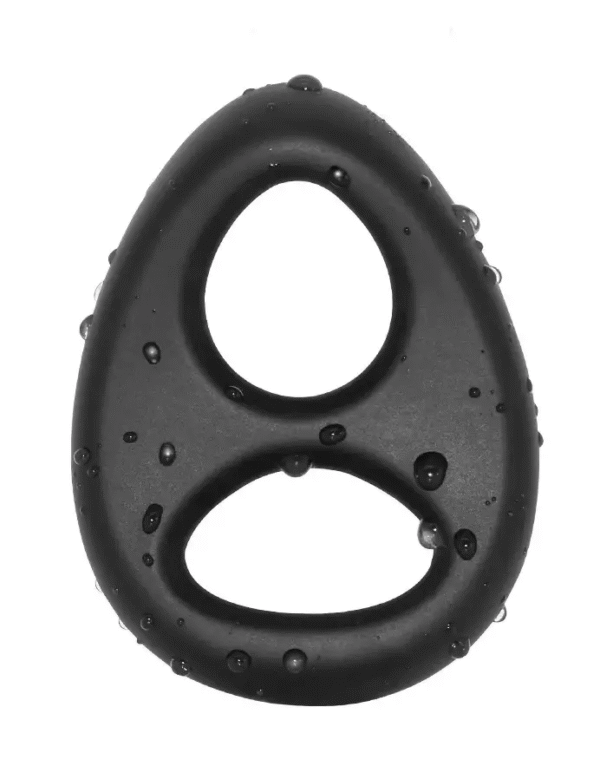
The textured surface visible on quality products isn’t just aesthetic – it serves functional purposes. These textures help prevent slipping during use while also providing additional stimulation. The dual-ring design offers versatility in fit and function, accommodating different preferences and anatomies.

Reusability and Value

A well-made cock ring should last for months or even years with proper care. This makes it a cost-effective solution compared to single-use products or ongoing pharmaceutical interventions. The ability to clean and reuse the product also makes it more environmentally friendly and convenient.

Practical Usage Guidelines for Optimal Results

Getting the most from any performance enhancement product requires understanding proper usage techniques. Start by ensuring you’re relaxed and not rushed – anxiety can counteract the benefits of any enhancement tool.

Timing and Application

Apply the cock ring when you’re partially erect, as this allows for easier positioning while ensuring proper fit once fully aroused. The ring should feel snug but not painful or overly restrictive. If you experience any discomfort, numbness, or discoloration, remove it immediately.

Duration Guidelines

Never wear a cock ring for more than 30 minutes at a time. This safety guideline helps prevent circulation issues and ensures comfortable use. Many men find that 15-20 minutes is optimal for their needs.

Communication with Partners

If you’re in a relationship, discussing your interest in performance enhancement can actually strengthen intimacy. Many partners appreciate the effort to improve shared experiences and may have valuable input about what works best for both of you.

Addressing Common Concerns and Misconceptions

Many men hesitate to explore performance enhancement products due to misconceptions or embarrassment. Understanding the facts can help you make informed decisions about your sexual health.

“Only Men with Problems Need These Products”

This couldn’t be further from the truth. Many men with perfectly normal sexual function use cock rings to enhance their experiences. Think of it like athletes using equipment to improve performance – it’s about optimization, not fixing problems.

“They’re Uncomfortable or Dangerous”

Quality products designed with proper materials and sizing are comfortable and safe when used correctly. The key is choosing reputable brands and following usage guidelines.

“Partners Will Judge the Use of Enhancement Products”

Most partners are supportive when they understand the goal is mutual satisfaction. Open communication about desires and preferences often leads to better relationships and more satisfying intimate experiences.

The Broader Context of Male Sexual Wellness

Using performance enhancement products like cock rings is part of a broader approach to sexual wellness that includes physical health, mental wellbeing, and relationship satisfaction. Regular exercise, stress management, and open communication with partners all contribute to better sexual experiences.

Physical Health Factors

Cardiovascular health directly impacts sexual function, as erections depend on good blood flow. Regular exercise, a healthy diet, and adequate sleep all support sexual performance naturally. Enhancement products work best when combined with overall good health practices.

Mental Health Considerations

Performance anxiety can create a cycle where worry about sexual performance actually causes the problems you’re trying to avoid. Using tools that increase confidence can help break this cycle, but addressing underlying anxiety through relaxation techniques or professional counseling may also be beneficial.

Extender Cock Ring Reusable - Premium Silicone

Extender Cock Ring Reusable – Premium Silicone

Original price was: $10.00.Current price is: $5.00.

Making the Investment in Your Sexual Health

At $10.00, products like the PeakBody Extender Cock Ring represent an accessible entry point into sexual wellness enhancement. When you consider the potential benefits – improved confidence, better performance, enhanced partner satisfaction – the investment is minimal compared to the potential returns in quality of life and relationship satisfaction.

Long-term Value

A quality cock ring can last for years with proper care, making it far more economical than many other approaches to performance enhancement. When you calculate the cost per use over months or years, it becomes one of the most cost-effective investments you can make in your sexual health.

Conclusion: Taking Control of Your Sexual Wellness

Sexual wellness is an important component of overall health and happiness. For men seeking to enhance their performance, increase confidence, or address specific concerns like premature ejaculation, cock rings offer a safe, effective, and affordable solution.

The key to success lies in choosing quality products from reputable manufacturers, following proper usage guidelines, and maintaining realistic expectations. Products like the PeakBody Extender Cock Ring represent the current state of the art in design, materials, and functionality.

Remember that sexual wellness is a journey, not a destination. What works best for you may require some experimentation, and combining enhancement products with overall health improvements often yields the best results. Most importantly, approach sexual wellness with the same attention and care you’d give to any other aspect of your health – because that’s exactly what it is.

By taking a proactive approach to sexual wellness, you’re not just improving your own experiences – you’re contributing to better relationships and overall life satisfaction. In a world where so many factors can impact sexual performance, having reliable tools and techniques at your disposal provides both practical benefits and peace of mind.

Introduction to Virtual Healthcare Consultations

Virtual healthcare, commonly referred to as telemedicine consultations, has grown by 38% over the past three years (CDC, 2022). Whether you’re addressing a minor issue or managing a chronic condition, how you appear on camera can affect your healthcare provider’s ability to observe and evaluate symptoms.

Dr. Sandra Lee, a family physician and telehealth expert, emphasizes: “Good lighting and a steady camera can make all the difference in helping doctors observe important clinical signs.”

This guide will walk you through optimizing your camera angle, lighting, and overall setup to present yourself clearly and confidently during virtual medical consultations. Exceptional visual and audio clarity enhances communication and contributes to more accurate evaluations.

Why Camera Angles Are Important

Establishing Eye Contact Digitally

Eye contact is key to building trust, even through a screen. For an effective virtual conversation, position your webcam at eye level. Looking into the lens mimics in-person interaction, while focusing on the screen may unintentionally signal a lack of attention.

Pro tip: Elevate your laptop using a riser or a stack of books to align it with your eye line.

Showcasing Physical Symptoms Accurately

If you need to show physical symptoms such as a rash, swelling, or skin discoloration, a poorly positioned camera can cause distortion. Use a straight-on angle to ensure your healthcare provider can accurately observe facial features, skin tone, or limb movement without visual interference.

Optimizing Camera Setup for Clarity

The Best Camera Placement Guidelines

– Place your camera at eye level for a natural, comfortable viewing angle.
– Sit two to three feet away, with your head, shoulders, and upper torso clearly visible. This allows your doctor to assess your posture and breathing, when necessary.

How to Stabilize Your Camera

– Use a tripod, phone holder, or laptop stand to eliminate unwanted motion.
– Avoid using handheld devices, as shaky visuals can distract your provider and hinder symptom assessment.

Tip: Affordable camera stands and tools are available on reputable healthcare product websites like edrugstore.com.

Lighting Tips for Medical Visibility

Natural Lighting Works Best

Soft, natural light offers even facial illumination, helping your provider observe subtle signs such as pallor, redness, or puffiness. Position yourself near a window to make the most of daylight.

Supplement with Artificial Lighting

If natural lighting isn’t sufficient:

– Use a ring light behind your device for balanced and professional-looking brightness.
– Combine overhead lighting with desk lamps to minimize shadows, especially around the eyes and under the chin.

Avoid Harsh Backlighting

Do not sit with your back to a light source (e.g., windows), as this can cast you in shadows. Backlighting may obscure facial details, making it difficult for your doctor to evaluate your appearance accurately.

Creating an Ideal Virtual Environment

Select a Clean, Neutral Background

A simple backdrop, such as a plain wall or tidy bookshelf, keeps the focus on you. Avoid busy or cluttered environments that detract from the consultation.

Minimize Background Noise

Close doors and windows to reduce auditory distractions. Let household members know you’re in a medical appointment. Clear audio is vital—over 90% of telehealth patients report that sound quality affects their satisfaction (Journal of Telemedicine and Telecare, 2021).

Maintain Good Posture with Comfortable Seating

Choose a supportive chair and sit upright. Poor posture can unintentionally convey fatigue or disinterest, even when you’re actively engaged. Good posture improves comfort and enhances your appearance on screen.

Camera Angles That Enhance Communication

Straight-On Angle for Clarity

Use a head-on angle for balanced, centered visuals. This view is best for discussing facial expressions, skin tone, swelling, or symmetry during virtual appointments.

The Three-Quarter View for Better Perspective

To discuss issues like neck stiffness or shoulder discomfort, turn slightly for a three-quarter view. This angle preserves eye contact while giving your provider a more complete physical view.

Close-Up Techniques for Specific Symptoms

Need to show a skin concern or injury? Move the camera closer without using digital zoom, which can blur details. Position specific body parts—such as an arm or ankle—within view using natural camera adjustments.

Example: To share a rash on your arm, adjust the camera to frame your upper body and arm closely, giving your doctor a better view of the coloration and texture.

How to Dress for Virtual Appointments

Choose Solid Colors for Better Visibility

Avoid prints and patterns that can distract or pixelate on screen. Opt for solid, medium-toned clothing that contrasts with your background for the clearest video image.

Wear Practical Clothing

Dress in a way that allows easy access to the area of concern. For instance, if discussing a knee injury or skin irritation, wear clothing that lets you show the affected area without discomfort.

Why Testing Your Setup Matters

Conduct a Trial Run

Record a brief video of yourself to inspect audio quality, posture, lighting, and overall clarity. Alternatively, practice with a friend to simulate a real telehealth appointment and fine-tune your setup.

Check Internet Speed and Stability

Reliable internet is crucial. Aim for at least 10 Mbps for both download and upload to support HD-quality video. Test your speed in advance using free tools like Speedtest.net.

Best Practices During Virtual Consultations

Speak Clearly and Minimize Movement

Communicate at a moderate pace and try to remain still during your session. Avoid moving your hands near the camera, as this can be distracting. Take pauses to let your provider process and ask follow-up questions.

Be Responsive to Provider Requests

If your doctor asks you to adjust your screen or change your lighting, do so promptly. Good video quality is a shared responsibility and ensures optimal care during the appointment.

Conclusion: Empower Your Virtual Medical Experience

A few simple adjustments can dramatically enhance the success of your online medical consultation. From optimizing lighting and camera angles to testing your setup and reducing distractions, these tips ensure your doctor receives accurate visual cues and you receive high-quality care.

Remember, looking your best isn’t about impressing—it’s about being seen clearly, heard accurately, and setting the stage for effective healthcare.

References

– Centers for Disease Control and Prevention (CDC). “Telemedicine Use in the U.S.” 2022
– Journal of Telemedicine and Telecare. “Factors Affecting Patient Satisfaction During Virtual Visits.” 2021
– Dr. Sandra Lee, Personal Interview, 2023
– Dr. Renee Thomas, “Optimizing Telehealth for Seniors,” Telehealth Summit, 2022

Visit edrugstore.com for trusted telehealth tools and support products to make your virtual appointments more effective and stress-free.

The Virtual Body Language Guide: Non-Verbal Communication Through Your Screen

Step Into the Digital Stage: Why Virtual Body Language Matters Now More Than Ever

In today’s digital-first world, where nearly 80 percent of professionals report spending most of their time in virtual meetings (Forbes, 2023), mastering your on-screen presence has never been more critical. Welcome to the realm of virtual body language—a powerful communication tool that projects confidence, credibility, and professionalism without saying a word.

Even in a video call where you’re only visible from the shoulders up, how you carry yourself significantly impacts how you’re perceived. This guide will walk you through actionable non-verbal strategies to ensure your message resonates, your presence shines, and your audience stays fully engaged.

The Impact of Non-Verbal Communication in Virtual Meetings

Although screens replace in-person interactions, non-verbal cues remain just as vital. Research by UCLA Professor Albert Mehrabian found that up to 93 percent of communication impact is conveyed through non-verbal expressions. Eye contact, posture, facial expressions—and even your background—send subtle psychological signals that influence how people respond to you.

According to Dr. Carol Kinsey Goman, author of The Silent Language of Leaders, “Virtual body language either builds trust or breaks it. People are watching more closely on screens than they did in person.” Strong, intentional non-verbal behavior helps build rapport, while inconsistency or distraction can undermine your credibility.

Frame the Shot: Improve Camera Position and Lighting

First impressions happen in an instant. Poor lighting or awkward camera angles can quickly derail your virtual effectiveness. Aim to position your webcam at eye level or slightly above. Use soft lighting directed from in front of you—natural light works great, or consider using a ring light to maintain a warm, clear appearance.

On applications like Zoom, use the “Adjust for low light” feature under video settings to improve visibility. Center your head and shoulders within the frame to promote approachability and professionalism, especially for high-stakes meetings such as interviews or telehealth consultations.

Make a Connection with Virtual Eye Contact

True virtual eye contact means looking into your camera, not at your own reflection or other participants’ windows. This subtle shift creates a sense of direct connection, making you seem more confident and engaging. A LinkedIn study revealed that presenters who consistently maintained eye contact were 60 percent more likely to be seen as trustworthy.

Here’s a simple tip: place a small sticky note with a reminder or a smile symbol just above your webcam. During your presentation, glance at the webcam when delivering important points and glance back at your screen occasionally to read reactions. This rhythm helps you stay connected while maintaining engagement.

Posture Matters: Sit or Stand with Intention

Your posture communicates presence and professionalism. Harvard research has shown that upright posture boosts testosterone and reduces cortisol—hormones tied to confidence and stress. Sitting tall or standing with relaxed shoulders and a straight spine makes a strong impression during video calls.

For longer meetings, switch between sitting and standing to maintain energy and vocal strength. When you lean forward slightly during conversation or nod while listening, you signal attentiveness and engagement. Avoid repetitive movements or shifting, which may distract viewers.

Facial Expressions: Let Your Face Reflect Your Words

On camera, your facial expressions are magnified. A genuine smile humanizes interactions and sets a positive tone, even in difficult conversations. Showing emotion strategically—whether with a head nod or a thoughtful eyebrow raise—builds stronger connections and demonstrates empathy.

Practice with video recording tools to become more aware of your natural expressions. Adjust when needed: consistent nodding communicates agreement, while slight frowns can indicate concern or seriousness. Subtle, intentional expressions amplify your communication, especially in collaborative or emotionally weighted discussions.

Let Your Hands Do the Talking: Effective On-Screen Gestures

Hand gestures can add clarity and animation to your message—when used purposefully. According to a recent Stanford study, speakers who used gestures effectively were 20 percent more persuasive than more reserved presenters.

Keep hand gestures within your camera’s visible frame—from chest to chin height—to stay within view and avoid distraction. Open palms and deliberate movements reinforce key ideas. For example, spreading your fingers to illustrate scope when saying, “This issue is widespread,” anchors the message more clearly. Use hand movement intentionally, then return to a calm resting position between gestures.

More Than Words: Vocal Tone, Pace, and Strategic Pausing

Your voice is one of your most powerful non-verbal tools. Speaking with varied tone, intentional pacing, and strategic pauses helps maintain attention and emphasize key messages. Monotone speakers risk losing their audience quickly, even if their content is solid.

Aim for a speaking pace between 100–150 words per minute for clarity. Modulate your pitch to add emphasis and maintain interest. Use brief pauses before or after making critical points to give your listeners a moment to absorb what you’ve said. For instance, after stating, “This change will save your team hundreds of hours,” pause briefly to let the magnitude land. This technique makes your presentation more memorable and engaging.

Your Environment Speaks Too: Polished Backgrounds and Professional Settings

Your surroundings convey professionalism—or a lack thereof. Choose a clean, uncluttered background such as a blank wall or a neat bookcase with tasteful décor. Avoid bold prints, clutter, or personalized branding that distracts from your message.

If managing your home environment is a challenge, use a subtle virtual background or the blur feature. Avoid gimmicky, animated, or overly stylized backdrops, which can reduce your perceived credibility. Whether hosting a webinar or participating in telehealth, a tidy environment reinforces focus and professionalism.

Dressing for Virtual Success

Dress as you would for an in-person presentation. Your appearance influences your mindset and ensures you’re prepared for any unexpected camera views. Stick to solid, neutral tones as stripes or busy patterns can distort on-screen.

Even if the camera only frames you from the waist up, complete your outfit—wearing professional bottoms adds consistency and minimizes the risk of visible mismatches. Dressing professionally also triggers what psychologists call “enclothed cognition,” which can improve cognitive function and increase confidence.

Tie It All Together: Body Language as the Language that Leads

Your video screen isn’t just a communication tool—it’s your stage. And your body language is the story you’re telling, moment by moment.

By fine-tuning your virtual non-verbal cues—from posture and facial expressions to gestures and vocal pace—you build trust, command attention, and clarify your message. Whether you’re onboard a Zoom call, leading a remote team meeting, or conducting a virtual health consultation, these techniques can dramatically enhance your presence.

Remember, when your words end, it’s your body language that leaves the final impression.

References

– Forbes (2023). “Remote Work in 2023—Statistics and Trends”
– Mehrabian, A. (2009). Silent Messages. Belmont, CA: Wadsworth
– Goman, C.K. (2011). The Silent Language of Leaders. Jossey-Bass
– Cuddy, A. (2012). “Your Body Language May Shape Who You Are.” TED Talk & Harvard Business Review
– Stanford Virtual Human Interaction Lab, 2021 Report
– Adam, H., & Galinsky, A.D. (2012). “Enclothed Cognition.” Journal of Experimental Social Psychology, 48(4), 918–925
– LinkedIn Learning (2022). “Effective Communication in Virtual Work”