Transforming Prescription Practices Through Wearable Biosensor Technology

The healthcare industry is undergoing a technological revolution through the rapid advancement of wearable biosensors. These devices are providing clinicians with continuous, real-time data on patient health, allowing them to move beyond episodic care and into a future of personalized, data-driven medicine. Instead of relying solely on occasional office visits and lab results, healthcare providers can access detailed trends in vital biomarkers such as glucose levels, heart rate variability, and sleep patterns.

According to a Deloitte report, more than 320 million health-focused wearable devices were in use globally as of 2022, emphasizing their growing significance in clinical settings.

“Continuous monitoring bridges the gap between symptoms and data, enabling smarter medication choices,” says Dr. Elena Ramirez, a digital health expert at Johns Hopkins.

This article explores how wearable biosensors are transforming prescription workflows and enabling physicians to make patient-centric, precise decisions.

Understanding Wearable Biosensors

Wearable biosensors are compact, non-invasive devices embedded in smartwatches, adhesive patches, or smart fabrics that monitor physiological metrics throughout the day. Some of the most commonly tracked data includes heart rate variability, blood oxygen levels, glucose readings, and electrodermal activity.

These sensors transmit health information wirelessly using Bluetooth or cellular networks, sending data to secure cloud-based platforms or mobile apps. For instance, a smartwatch might transmit heart rate data in five-minute intervals to a physician’s dashboard for review.

A 2021 study published in Nature found that wearable biosensors can detect signs of heart failure up to five days before hospitalization, offering a crucial window for intervention.

Unlocking Insights Through Real-Time Monitoring

One of the standout benefits of wearable biosensors is their ability to track health metrics continuously. In contrast to occasional checkups, real-time monitoring helps physicians identify meaningful patterns that may otherwise go unnoticed.

Consider a patient with hypertension who displays normal blood pressure at clinic visits but experiences nocturnal spikes. A wearable capable of tracking nighttime blood pressure can catch these variations, enabling timely modifications in treatment to prevent strokes or cardiac events.

“We’re not just looking at out-of-range values anymore — we’re observing evolving trends that tell a more nuanced story of a person’s health,” explains Dr. Ayesha Gupta, a specialist in preventive medicine.

Customizing Treatment Through Personalized Data

The continuous data from wearable devices makes it easier for clinicians to move beyond generalized treatment plans. Using these trends, doctors can divide patients into subgroups based on how they respond to medications. For instance, two people diagnosed with type 2 diabetes and prescribed insulin may absorb the medication at different rates — a metabolic distinction brought into focus through wearable analytics.

This approach aligns with a broader shift toward precision medicine, where wearable technology enables treatment that is both targeted and efficient, reducing the chance of adverse side effects.

One example includes a patient whose evening glucose levels spike slowly after dinner. Based on this data, a physician might adjust the timing of insulin administration rather than simply increase the dosage.

Guiding Prescription Choices with Real-Time Data

Wearable biosensors are becoming integral tools in guiding prescription decisions. If a wearable shows that a patient has persistently elevated heart rates in the morning, a physician might initiate treatment with a beta-blocker or make adjustments to existing medication regimens.

“Data from wearables has transformed prescribing into an ongoing dialogue between the patient and provider,” reports David Lee, PharmD and clinical pharmacist at the Mayo Clinic.

This dynamic model enables early detection of ineffective or harmful medications and allows for adjustments to improve drug safety and efficacy. The American Medical Association reports that 85% of physicians believe wearable data can reduce prescription errors by offering deeper clinical insights.

Seamless Integration with Electronic Health Records

For wearable data to influence clinical decisions meaningfully, it must be integrated into electronic health records (EHRs). Modern EHR systems now support automatic merging of wearable data with lab results, imaging, and clinician notes, offering a comprehensive view of a patient’s health.

Application programming interfaces (APIs) allow EHRs to automatically flag concerns. For instance, if a wearable ECG detects recurring instances of bradycardia, the EHR can trigger a review of the patient’s current medications.

Case Study: Improving Diabetes Management Through CGMs

Continuous glucose monitors (CGMs) have revolutionized insulin therapy. These devices record glucose levels every five minutes, allowing physicians to fine-tune dosing strategies with tremendous precision.

For example, a patient who experiences glucose highs after breakfast but lows at night would benefit from strategic adjustments in insulin timing rather than dosage.

Next-generation systems like the Dexcom G7 can interact directly with insulin pumps, automating insulin delivery based on real-time glucose data. The result? Patients see significant health improvements, including:

– A 68% drop in hypoglycemic events
– A 1.5% decrease in A1C levels within six months

Source: American Diabetes Association, 2023

Case Study: Managing Cardiovascular Conditions with Wearables

Wearables like the Apple Watch Series 8, equipped with FDA-approved ECG monitoring, can detect intermittent conditions such as atrial fibrillation. Patients with undiagnosed arrhythmias benefit as these devices pick up silent episodes that would otherwise go unnoticed.

In another instance, persistent high heart rates during sleep signaled a need to start a calcium channel blocker to better control blood pressure overnight.

“Previously, many arrhythmias were missed due to their sporadic nature,” says Dr. Thomas Yee, cardiologist at Cedars-Sinai. “Wearables now give us clear visibility into patterns that used to remain hidden.”

Addressing Implementation Challenges

Despite their benefits, integrating biosensors into clinical practice comes with challenges. Care teams often feel overwhelmed by the sheer volume of incoming data. Without advanced data visualization tools, deciphering long-term patterns can be time-consuming and complex.

In addition, unifying data standards across different manufacturers and ensuring that systems remain interoperable remain ongoing issues. Reimbursement policies also need to be updated to support the incorporation of digital tools.

Organizations like the FDA and HL7 are working toward developing interoperability standards such as HL7 FHIR to ensure that wearables are impactful and scalable in clinical practice.

Data Privacy and Security Considerations

Maintaining the security of sensitive health data is critical. Certified wearable devices must comply with regulations such as HIPAA and GDPR by enforcing encryption, two-factor authentication, and secure cloud storage solutions.

Educating patients about how their data is collected, stored, and shared is equally important. Transparent practices — including consent forms and easy-to-understand privacy dashboards — help build patient trust and increase adoption.

For example, the Fitbit Health API anonymizes and encrypts all data before sharing it with authorized third-party health applications.

The Future of Predictive, Personalized Medicine

Looking ahead, the intersection of biosensors with artificial intelligence, genomics, and proteomics promises a new era of precision healthcare. AI-driven predictive models — fueled by wearable data — could anticipate drug reactions weeks before symptoms arise.

Additionally, advances in nanotechnology will usher in next-generation biosensors capable of being embedded discreetly or integrated into clothing, delivering unmatched monitoring precision.

“As smart biosensors evolve, they’ll not only track health data but also adjust medications in real time,” says Dr. Naomi Lau, biomedical engineer at MIT.

Conclusion: A New Era in Smart Prescription Management

Wearable biosensors are reshaping healthcare by turning daily biometric data into actionable insights. From managing chronic conditions like diabetes and hypertension to fine-tuning cardiovascular medications, these technologies are enabling safer, more effective, and personalized treatment strategies.

With improved medication adherence, reduced adverse drug reactions, and greater patient satisfaction, connected care is clearly the future. Stakeholders who invest in digital infrastructure today will be better equipped to provide truly responsive and intelligent medical care tomorrow.

For more insights on treatment plans tailored to your digital health data, visit edrugstore.com today.

Introduction: The Rise of Intelligent Wearable Health Devices

Over the past decade, wearable health devices have rapidly evolved from simple pedometers to sophisticated, data-driven wearable biosensor platforms. These modern tools now provide continuous monitoring of vital metrics such as heart rate, glucose levels, activity patterns, and sleep quality.

According to a 2022 study published in Nature Medicine, more than 30% of U.S. adults use wearables that record real-time health information. This steady data stream offers healthcare providers a powerful tool to personalize prescription treatment plans, leading to improved health outcomes, fewer adverse drug reactions, and a step closer to achieving truly individualized precision medicine.

“When a patient’s physiology is measured continuously, instead of at isolated doctor visits, treatment becomes not only reactive but anticipatory,” explains Dr. Elena Martinez, a digital health expert at Stanford Medicine.

Telehealth platforms like eDrugstore.com are beginning to incorporate these insights into modern care delivery models.

The Evolution of Wearable Biosensor Technology

Current wearable health sensors utilize cutting-edge components, including optical sensors for monitoring heart rate and blood oxygen levels, electrochemical electrodes for continuous glucose tracking, and microfluidic chips that analyze sweat composition in real time.

Unlike their early predecessors that only counted steps or measured resting heart rate, today’s flagship devices offer real-time tracking in several key health domains:

– Continuous glucose monitoring (CGM) for diabetes management
– Blood oxygen saturation and respiratory health assessment
– Electrodermal activity to identify stress responses
– Core body temperature monitoring to detect potential inflammation or infection
– Sleep-cycle tracking to evaluate rest quality and circadian rhythm alignment

Advancements in battery life, sensor size, and wireless connectivity have made these devices more efficient and minimally invasive. Devices like the Dexcom G7 CGM and the Oura Ring 3 now provide 24/7 health monitoring, allowing healthcare professionals to optimize medications based on a person’s actual physiological responses, rather than relying solely on periodic lab tests.

Personalized Prescriptions Through Data-Driven Insights

Historically, medication decisions were made using lab results collected weeks apart or based on patient self-reports—both of which can be inaccurate. Today’s wearable health monitoring tools offer continuous, real-world data, making prescription plans more timely and personalized. Here’s how wearables are transforming the prescription process:

Real-Time Dose Optimization

Wearables paired with automated insulin pumps enable real-time adjustments to insulin delivery. A study published in the Journal of the American Medical Association reported a 1.2% reduction in HbA1c levels among users of CGM-connected insulin pumps, showcasing marked improvement in diabetes management.

Early Detection of Adverse Drug Reactions

Wearables can flag rapid physiological changes such as spikes in heart rate or body temperature, indicating a potential negative reaction to a new medication. “We can now catch the danger signs early before they escalate,” says Dr. Priya Desai from the Cleveland Clinic.

Chronotherapy: Aligning Prescriptions with Biological Rhythms

Wearables can track biological patterns, such as circadian fluctuations in blood pressure, to optimize medication timing. For example, antihypertensives may be more effective when administered during early morning peaks. Devices like Fitbit and Whoop are already helping identify these trends.

Behavioral Data That Enhances Treatment

Wearables also capture lifestyle data, such as sleep quality and physical activity. These insights impact how medications are metabolized and processed. Clinicians can then recommend behavioral changes—like improving sleep hygiene or increasing daily activity—to enhance drug efficacy.

Practical Healthcare Applications Across Medical Fields

The real-world impact of wearable health monitoring extends across multiple healthcare domains, improving treatment outcomes and patient engagement.

Diabetes Management Innovations

Continuous glucose monitoring systems linked with insulin pumps deliver semi-automated blood sugar control. According to research from the American Diabetes Association, these systems reduce emergency room visits by 30%.

For example, a 42-year-old patient using the Tandem t:slim X2 insulin pump achieved improved glucose stability and required fewer medication adjustments during routine checkups.

Transforming Cardiology Treatment Plans

Wearable electrocardiogram (ECG) monitors, such as the Zio Patch, allow for earlier detection of conditions like atrial fibrillation (AFib) compared to traditional methods. Blood pressure cuffs integrated with smartphone apps also enable more precise management of hypertension by providing real-time data for medication adjustments.

Enhancing Mental Health Interventions

Biosensors that track metrics such as heart rate variability and galvanic skin responses can help diagnose anxiety and depression more objectively. This gives psychiatrists data-driven support in adjusting medications like SSRIs and benzodiazepines, moving beyond reliance on patient-reported symptoms.

Reforming Pain Management Approaches

Wearable bands and muscle sensors can identify involuntary reactions to pain, such as reduced mobility or elevated heart rate. This information helps clinicians determine when opioid prescriptions are truly necessary, offering a valuable tool to combat overprescription.

Challenges to Mainstream Adoption of Wearable-Powered Prescriptions

Despite the promising potential of wearable biosensor-guided treatments, several barriers remain that must be addressed for broader healthcare adoption:

Validating Data Accuracy

Many consumer-grade wearable devices lack the precision of medical-grade equipment. A 2021 FDA advisory cautioned that consumer wearables must undergo rigorous validation before their insights are used to guide treatment decisions.

Managing Data Volume and Interpretation

The continuous data generated by wearables can be overwhelming. Healthcare systems need advanced AI-driven platforms that filter and summarize information, providing clinicians with easy-to-navigate dashboards that highlight anomalies and actionable insights.

Ensuring Data Privacy and Patient Consent

Protecting personal health information from wearable devices is essential. Compliance with HIPAA and related privacy laws is a must. Furthermore, patients must provide informed consent regarding how their data will be accessed and used in medical decisions.

Regulatory and Financial Considerations

Both government agencies and private insurers are just beginning to craft frameworks for regulating and reimbursing medical decisions influenced by digital technologies. Demonstrating clinical effectiveness and cost-efficiency is essential for wider acceptance.

The Future of Personalized Prescriptions via Wearables

Looking forward, wearable technology is poised to become an integral part of medication management. Artificial intelligence will soon process biosensor data to predict personalized drug types, optimal dosages, and exact administration times.

Example: A future telehealth platform might analyze wearable inputs and determine, “Patient A is best suited for 10 mg of Drug X taken at 7 a.m.”

Companies like eDrugstore.com are already exploring how integrated dashboards can allow clinicians to adjust prescriptions remotely, creating a seamless approach to individualized care.

“This is the dawn of a new age in prescribing,” says Dr. Anil Kapoor, a biomedical engineer specializing in wearable analytics. “Medications will no longer be a one-size-fits-all solution. They’ll be precisely aligned with your unique biological rhythms.”

By connecting real-time physiological data with pharmaceutical interventions, wearable biosensors are redefining modern medicine—ushering in an era of smarter, safer, and more personalized healthcare.

References

– Nature Medicine (2022). “Adoption of Health Wearables in the United States”
– American Diabetes Association (2021). “Technology Use in Type 1 Diabetes Management”
– Journal of the American Medical Association (2020). “Outcomes of Insulin Pump Integration with CGM”
– FDA Medical Device Advisory (2021). “Clinical Use of Consumer-Grade Wearables”
– Cleveland Clinic Research Archives
– Stanford Digital Health Initiatives
– https://www.edrugstore.com – Telehealth Platform and Medication Delivery Services

Introduction: The Global Rise of Telehealth and Prescription Challenges

As telehealth solutions expand across the globe, more patients are embracing virtual healthcare from providers beyond their own countries. Through secure digital platforms, international care has become more accessible, offering remote consultations, diagnoses, treatment plans, and even prescriptions across borders. While this global connectivity improves convenience and access, prescribing medication internationally brings significant legal, logistical, and regulatory hurdles.

This article explores the key challenges and practical solutions associated with cross-border prescribing, helping providers and patients navigate the complexities of international telehealth.

“International telemedicine is no longer futuristic—it is the frontier of modern care. But with that comes the need for careful planning and legal compliance,” says Dr. Alicia Marlowe, Telehealth Policy Advisor at the Center for Health Innovation.

Global Demand: Why Patients Are Turning to International Telehealth

As the demand for healthcare grows more global, many patients now seek virtual medical consultations with international providers due to affordability, access, and quality of care.

– Telehealth continues to grow: A McKinsey report found that global telehealth adoption rose by 38% following the COVID-19 pandemic and has continued to climb.
– Enhanced access to specialists: People in remote or underserved regions benefit by connecting with top-tier doctors in other countries.
– Cost-effective solutions: Many patients look internationally to resolve health issues at reduced prices. For instance, American patients frequently obtain more affordable prescriptions by using global services such as eDrugstore.com.

This trend is transforming healthcare delivery, making it crucial to implement safe and regulated systems for cross-border prescriptions.

Understanding Licensing and Legal Challenges

Treating international patients requires compliance with diverse legal frameworks. Medical professionals must understand licensing laws, jurisdictional limitations, and drug-related restrictions.

Healthcare Licensing Requirements Across Borders

One of the most common legal issues in cross-border prescribing involves licensure:

– Licensure differs by region: In the United States, telehealth providers must be licensed in the patient’s home state. Similarly, countries like Germany, Australia, and Canada place jurisdiction-specific licensure conditions on foreign doctors.
– Restrictions on drug types: Many regulatory bodies prohibit or restrict remote prescriptions of certain medications, notably controlled substances. Some drugs require in-person evaluations or additional authorizations.

For example, a U.S.-based psychiatrist could be legally barred from prescribing SSRIs to a patient in Japan if they lack the required local certification or approval.

Prescription Formatting and Drug Classification Differences

Even when practitioners are legally licensed, formatting and classification issues can pose complications.

– Variance in drug schedules: A sleep medication that is over-the-counter in one country may be a controlled substance elsewhere. This can require additional documentation or approvals.
– Prescription formats vary: While digital e-scripts are accepted in many countries, others still require physical paperwork. Providers must adopt systems—like certified e-prescribing platforms—to ensure prescriptions meet country-specific requirements.

For instance, an Indian physician prescribing Modafinil to a U.S. patient may find the prescription invalid unless it is issued by someone registered with the Drug Enforcement Administration (DEA) using approved U.S. guidelines.

Patient Data Sharing and Privacy Regulations

Managing healthcare data across borders involves strict privacy rules and compliance protocols:

– Privacy laws vary globally: The European Union’s General Data Protection Regulation (GDPR) and Canada’s Personal Information Protection and Electronic Documents Act (PIPEDA) require that patients give informed consent before their health data can be shared internationally.
– Patient consent is critical: Best practices include providing comprehensive privacy disclosures, explaining how patient data will be handled, stored, and protected.

A German patient using a U.S.-based telehealth platform must be presented with GDPR-compliant data disclosures and offer consent before their information crosses into international servers.

Supply Chain Complications in Prescription Fulfillment

Fulfilling international prescriptions can be logistically complex—even when the prescription is legally valid. From drug availability to customs issues, providers must anticipate a wide range of obstacles.

Medication Access and Local Drug Availability

Prescribed medications in one country may not be accessible or authorized in another:

– Limited local stock: Certain medications prescribed abroad might not be produced or approved in the patient’s home country. Providers must research local formularies to identify equivalent alternatives.
– Customs and import issues: Shipments can be delayed or denied by border authorities, especially if they involve controlled substances or injectable medications.

For example, testosterone prescribed in Canada might be held or rejected by Indian customs if the proper certifications aren’t included.

Working with Reputable Local Pharmacies

To avoid problems with prescription fulfillment, healthcare providers should collaborate with licensed and trustworthy pharmacies in the patient’s country:

– Partner with local experts: Verified pharmacy partners—such as those featured on eDrugstore.com—ensure compliance and proper medical guidance.
– Additional requirements may apply: Some countries ask for supplementary documentation, such as physician registration proof or notarized prescription copies.

Cultivating partnerships with legitimate local pharmacies helps prevent counterfeit medications, ensures patient safety, and improves treatment effectiveness.

Addressing Language and Cultural Differences

Accurate communication is vital when prescribing medications internationally:

– Break language barriers: Translation errors or misunderstandings about dosage and usage can lead to health complications. Use professional interpreters or translated medical instructions.
– Mind cultural context: In many societies, specific medications may carry social or cultural stigma. Tailor educational materials to match cultural norms and language fluency to improve patient acceptance and adherence.

Consider a U.S. physician prescribing an antidepressant to a patient in rural Vietnam: offering instructions in Vietnamese and addressing cultural sensitivity can significantly impact compliance and therapeutic success.

Understanding Liability and Legal Risk in Global Telemedicine

Delivering healthcare across borders presents unique legal risks and insurance concerns. Medical providers must proactively manage potential liabilities.

– Insurance policy limits: Traditional malpractice insurance may not extend internationally unless specific global riders are purchased. Providers should verify and update their policies as needed.
– Jurisdictional ambiguity: In the event of a dispute or negative outcome, it’s often unclear which country’s legal system takes precedence. Setting clear legal and arbitration terms in patient agreements helps manage this uncertainty.

“Telehealth providers should include liability limits, governing law clauses, and patient consent specifics in every cross-border agreement,” explains Lisa Nguyen, a digital health law expert with GlobalMediLaw Group.

Best Practices for Safe and Compliant Cross-Border Prescribing

For healthcare professionals engaging in international telemedicine, adherence to best practices ensures compliance, patient safety, and service reliability.

Design a Global Compliance Framework

– Monitor international regulations: Maintain an up-to-date regulatory matrix that details licensing requirements, prescription standards, data privacy rules, and pharmacy regulations for each target country.
– Implement efficient procedures: Develop internal guidelines and workflows that streamline cross-border prescription approvals and patient verification.

Utilize Advanced Telehealth and e-Prescribing Tools

– Use certified platforms: Choose telemedicine software and e-prescribing systems that automatically adjust for regional regulations and requirements.
– Automate verification: Integrate tools that check provider credentials against licensing databases in the patient’s jurisdiction.

Strengthen Local Collaborations

– Build in-country alliances: Work closely with licensed regional clinics and healthcare providers to share responsibility and stay aligned with local laws.
– Partner with verified pharmacies: Choose accredited pharmacies with experience in handling international e-scripts.

Commit to Ongoing Education and Compliance Auditing

– Continuous staff training: Offer regular updates and workshops on international telehealth laws and evolving prescription guidelines.
– Conduct internal reviews: Audit consent forms, prescriptions, and patient records on a routine basis to ensure adherence to legal and ethical standards.

Conclusion: Embracing Borderless Healthcare with Confidence

Cross-border telehealth prescribing is revolutionizing global access to care, but it comes with regulatory, logistical, and cultural challenges. To provide safe and compliant international care, providers must understand country-specific legal landscapes, prescribe responsibly according to local guidelines, and collaborate with reputable partners.

By leveraging intelligent e-prescribing software, maintaining proper insurance coverage, ensuring data protection, and bridging cultural and language divides, healthcare professionals can confidently deliver high-quality care across borders.

As telemedicine policy evolves globally, proactive adherence to international standards will be the cornerstone of sustainable, borderless healthcare delivery.

References

– McKinsey & Company: Telehealth post-COVID usage statistics, 2023
– European Commission: GDPR regulations on cross-border health data
– Canadian Government: PIPEDA personal health data guidelines
– U.S. Drug Enforcement Administration (DEA): Controlled substance registry information
– GlobalMediLaw Group: Cross-border healthcare legal advisories
– eDrugstore.com: Online prescription fulfillment and legality information

For more information on legal international prescription services, visit eDrugstore.com.

In a world that constantly demands more—more energy, more focus, more productivity—many people overlook one of the most powerful tools for improving health and wellness: the breath.

Breathing is automatic, but it’s also a skill. With the right techniques and training, your breath can become a powerful ally in reducing stress, improving sleep, boosting athletic performance, and supporting overall wellness. Today, we’ll explore the science behind breathing optimization—and highlight how tools like the Breathing Training Analyzer Hand Held by PeakBody can help you take control of your breath and your life.


Why Breathing Matters More Than You Think

Most of us breathe shallowly, unconsciously, and inefficiently. While this may be enough to survive, it’s far from what’s needed to thrive. Proper breathing influences nearly every system in your body:

  • Oxygen Delivery: Deeper, slower breathing improves oxygen delivery to tissues, enhancing energy and stamina.
  • Nervous System Balance: Controlled breathwork can activate the parasympathetic nervous system, calming the body and mind.
  • Emotional Regulation: Breath control is central to stress management techniques in yoga, meditation, and cognitive behavioral therapy.
  • Physical Recovery: Athletes use breath training to speed recovery and increase endurance.

The Science Behind Breathwork

Modern research backs what ancient traditions have known for centuries. Deep, intentional breathing—especially diaphragmatic breathing—can:

  • Lower cortisol levels (the stress hormone)
  • Reduce heart rate and blood pressure
  • Improve focus and mental clarity
  • Promote better sleep by quieting the mind before bed

A 2023 study in the Journal of Psychophysiology found that participants who practiced daily breath control exercises for just two weeks experienced significant improvements in sleep quality and reduced anxiety.

Another study in Frontiers in Physiology demonstrated that elite athletes who incorporated breath training into their regimen showed increased VO2 max (a measure of aerobic endurance), reduced lactate buildup, and improved overall performance.


Breathing and Athletic Performance

If you’re a runner, swimmer, lifter, or fitness enthusiast, breath control might be the hidden edge you’ve been missing.

When you train your breathing, you’re not just improving oxygen intake—you’re also building respiratory muscle strength, increasing lung capacity, and improving CO2 tolerance, all of which lead to greater endurance and delayed fatigue.

This is where breath training tools come in, offering measurable insights and structured guidance.


Spotlight: Breathing Training Analyzer Hand Held by PeakBody

One of the most effective tools available for optimizing your breathing is the Breathing Training Analyzer Hand Held, powered by PeakBody. While many devices make vague promises, this analyzer provides real-time feedback on your respiratory patterns, helping you train more effectively.

Key Benefits:

  • Enhanced Athletic Performance: Improve your oxygen efficiency and stamina through structured breath training sessions.
  • Stress Reduction: The built-in metrics help guide you through slow, controlled breathing sessions to calm the nervous system.
  • Sleep Quality Support: Use the analyzer before bed to encourage deep, rhythmic breathing that supports more restful sleep.
  • Portable and User-Friendly: Whether you’re at the gym, office, or traveling, this handheld device is discreet, lightweight, and easy to use.

Ideal for athletes, wellness seekers, or anyone dealing with stress and sleep disruption, the Breathing Training Analyzer is more than a gadget—it’s a personal wellness assistant in your pocket.

Breathing Training Analyzer Hand Held

Breathing Training Analyzer Hand Held

Original price was: $69.00.Current price is: $34.50.

Breath Training Techniques You Can Start Today

Even without a device, you can start exploring the benefits of breathwork right now. Here are three techniques used by health experts and therapists:

1. Box Breathing (Used by Navy SEALs)

A structured technique that helps control the breath and calm the mind:

  • Inhale for 4 seconds
  • Hold for 4 seconds
  • Exhale for 4 seconds
  • Hold for 4 seconds
    Repeat for 5–10 minutes.

2. 4-7-8 Breathing for Sleep

Popularized by Dr. Andrew Weil, this method is especially useful before bed:

  • Inhale through the nose for 4 seconds
  • Hold for 7 seconds
  • Exhale through the mouth for 8 seconds
    Repeat for 4 cycles to induce relaxation.

3. Diaphragmatic Breathing

Place one hand on your chest and one on your belly. Inhale deeply through your nose, making sure only your belly rises. Exhale slowly. This form of deep breathing can be practiced daily for 10–15 minutes to retrain the body.


How Technology Makes Breath Training Smarter

The biggest challenge for most people trying to improve their breathwork is awareness and feedback. Without guidance, it’s hard to know if you’re making progress. That’s where analyzers like PeakBody’s Breathing Training device make a huge difference.

By giving you real-time data on:

  • Breathing rate
  • Breath volume
  • Exhale duration
  • Breath consistency

…the device helps you turn subjective feeling into objective improvement.


Sleep, Energy, and the Breath Connection

If you struggle with insomnia or low energy during the day, your breathing patterns could be the culprit.

Poor breathing habits—especially mouth breathing, shallow chest breathing, or sleep apnea—can wreak havoc on your circadian rhythm and recovery. Many users report that practicing structured breathing before bed not only helps them fall asleep faster but also leads to deeper, more restorative sleep.

Pairing this routine with a tool like the Breathing Training Analyzer can reinforce better habits by guiding you toward slower, lower, and longer breathing rhythms—the foundation of parasympathetic activation and sleep readiness.


Who Can Benefit from Breath Training?

Breath optimization isn’t just for yogis or elite athletes. The truth is, nearly everyone can benefit from conscious breathwork:

  • Busy professionals looking to reduce stress
  • Parents juggling work and family life
  • Students battling anxiety and focus issues
  • Older adults seeking better lung function and energy
  • Sleep-deprived individuals trying to restore restfulness

With consistent practice, breath training becomes a simple but profound wellness habit that supports both mental and physical health.


Final Thoughts: Breath Is the Bridge to Better Living

We often think of health in terms of workouts, diets, or supplements. But one of the most powerful—and free—tools at your disposal is your breath. With just a few minutes a day, you can dramatically improve your focus, energy, athletic performance, and sleep quality.

And if you’re ready to take your practice further, consider integrating technology like the Breathing Training Analyzer Hand Held by PeakBody into your routine. Whether you’re optimizing for performance or simply looking to feel better, training your breath is an investment in a healthier, calmer, more vibrant you.


Summary

  • Breath control is a powerful tool for improving mental and physical health.
  • Daily practice of breathwork techniques can reduce stress, enhance sleep, and improve athletic performance.
  • The Breathing Training Analyzer Hand Held by PeakBody is a smart solution for those who want measurable, guided progress in their breathwork journey.
  • Anyone—from athletes to office workers—can benefit from more intentional breathing.
  • Don’t underestimate your breath—it’s not just a function of life, but a force for better living.

Introduction: The Need for Swift Action in Telehealth Emergencies

Telehealth and virtual care platforms have transformed how people access healthcare. A smartphone or computer now connects individuals—whether they live hours from the nearest clinic or juggle hectic daily schedules—with clinicians in moments. These platforms excel in managing chronic conditions and mental health support, but there are limitations. When acute symptoms arise—like chest pain or signs of a stroke—traditional in-person care remains essential.

To bridge this gap, leading healthcare systems are implementing the Emergency Protocol Matrix for telehealth escalation. This structured, step-by-step system ensures that patients exhibiting potentially life-threatening symptoms are quickly directed to onsite care. In this article, we explore how to build and deploy this critical safety net while using technology to improve speed, accuracy, and patient outcomes.

Why the Emergency Protocol Matrix Is Vital

Bridging the Gap Between Virtual and Physical Care

Telemedicine is highly effective for many kinds of care—chronic disease follow-ups, mental health counseling, or handling minor ailments. A 2022 CDC report found that more than 37 percent of U.S. adults used telemedicine that year, especially for chronic condition management. However, virtual visits can’t replace physical examinations or laboratory diagnostics when facing high-risk symptoms. That’s why a clearly defined emergency protocol is crucial.

An effective escalation matrix guides remote teams through predetermined paths when red-flag symptoms arise. Whether it’s calling 911, referring someone to the emergency department, or scheduling a same-day in-person visit, these protocols close the gap between remote assessments and hands-on intervention.

Protecting Patients and Reducing Legal Risks

Without consistent guidelines, telehealth providers may hesitate to escalate—or escalate too late. Many patients also minimize worrying symptoms to avoid hospital visits. According to Dr. Linda Mitchell, a telemedicine clinical operations director, “Clear escalation protocols reduce the decision-making burden on providers while ensuring patients receive the right care at the right time.”

Moreover, institutions adopting these protocols report tangible benefits. For instance, a Johns Hopkins evaluation showed a 25 percent reduction in escalation delays within a year of implementing such a system.

Identifying the Red Flags That Warrant Escalation

Creating a Symptom-Based Escalation System

The foundation of the Emergency Protocol Matrix lies in identifying critical symptoms—commonly called “red flags”—that signal medical emergencies. These should be developed by a multidisciplinary clinical team and tailored to the patient population’s specific medical risks and geographic challenges.

Examples of Essential Red-Flag Categories

Cardiovascular Emergencies: Crushing chest pain, shortness of breath, lightheadedness, or fainting—especially for older men and post-menopausal women.

Neurological Threats: Sudden confusion, facial drooping, slurred speech, or one-sided weakness—classic indicators of a stroke.

Infectious Disease Alerts: Fevers over 104°F, suspected sepsis symptoms like low blood pressure and mental confusion, or rapidly spreading skin infections.

Obstetric Concerns: Decreased fetal movement after 28 weeks, sharp abdominal pain, or vaginal bleeding.

Pediatric Emergencies: Seizures, inconsolable crying with dehydration signs, or severe feeding refusal.

Each symptom should be assigned an urgency tier, such as:

– Immediate: Response within 5 minutes
– Emergent: Response within 2 hours
– Urgent: Response within 4–6 hours

These prioritizations help remote clinical staff handle triage with greater confidence and accuracy.

Designing the Emergency Protocol Matrix

Creating a Practical and Actionable Reference Tool

An effective matrix includes three straightforward components for each red-flag scenario:

A. Trigger Event or Symptom
B. Recommended Action
C. Target Response Time

Sample Matrix Entries

– New chest pain radiating to the left arm → Call 911 immediately → Response within 5 minutes
– Infant under 2 years with dry mouth and sunken eyes → Schedule urgent pediatric visit; advise hydration → Response within 4 hours
– Sudden facial droop and slurred speech → Activate stroke protocol and notify stroke center → Response within 30 minutes

By adhering to predetermined instructions, remote healthcare personnel can act without hesitation. As Jason Reyes, RN and virtual care coordinator explains, “Think of the matrix like an airport runway guide—it tells you which lane to follow when time is critical.”

Technology: The Key to Implementing the Protocol at Scale

Seamless Integration Across Platforms

To maximize effectiveness, the Emergency Protocol Matrix should be integrated directly into existing EHR and telehealth platforms. This minimizes human error and helps automate crucial decision points during high-stress situations.

Essential Technological Features

– Smart Documentation Prompts: When a provider enters a red-flag keyword like “slurred speech,” the EHR triggers the relevant stroke response pathway.
– One-Click Urgent Referrals: Automatically schedule in-person assessments, sending medical records ahead electronically to reduce lag time.
– Escalation Hotlines: Private phone lines are established to coordinate real-time communication with ER teams and other frontline responders.

According to Dr. Amanda Cho, Chief Medical Information Officer at a leading telehealth group, “Technology isn’t about replacing clinical judgment—it’s about reinforcing accuracy and speed when it matters most.”

Training Your Team for Real-World Readiness

The Importance of Ongoing Staff Preparation

A protocol is only as useful as the team trained to deploy it. Successful implementation relies on regular, hands-on training and simulation exercises.

Training Elements That Deliver Results

– Interactive Learning Modules: Equip clinicians, care coordinators, and schedulers with hands-on case walkthroughs using real scenarios.
– Simulation Drills: Conduct quarterly sessions replicating emergencies such as pediatric seizures or obstetric crises.
– Team-Based Feedback: After each drill, gather input to refine the protocol for clarity and usability.

To ensure full situational preparedness, simulations should test the entire escalation process—from initial symptom reporting to EMS coordination and hospital handoff.

Case Study: Stroke Protocol in Action

How One Protocol Helped Save a Life

During a routine telehealth session, a 68-year-old man reports slurred speech and right arm weakness. Using the Emergency Protocol Matrix, the provider immediately follows these steps:

1. Flags the symptoms as stroke indicators.
2. Consults the matrix: Activates stroke pathway, contacts local stroke center, and arranges a 30-minute arrival window.
3. Uses integrated EHR tools to schedule a STAT neurological evaluation and notifies the receiving hospital’s stroke team.
4. Informs the patient’s daughter to either drive him or request EMS transport immediately.

Thanks to the protocol, the patient receives clot-dissolving medication within just 45 minutes—well within the recommended three-hour treatment window. This highlights how a structured emergency matrix supports faster, smarter decisions for remote patients in need of urgent care.

Measuring Impact and Improving Over Time

Key Metrics That Indicate Success

To ensure the matrix continues delivering value, ongoing evaluation is vital. Consider tracking the following indicators:

– Time from red-flag identification to in-person arrival
– Percentage of cases properly escalated
– Clinical outcomes such as stroke recovery time or infection resolution
– Satisfaction surveys from both patients and healthcare providers

For example, the University of California, San Francisco found a 40 percent reduction in ER delays among tele-presenting stroke patients after implementing their matrix system.

Conclusion: Building a Safer, Smarter Telehealth Future

A robust Emergency Protocol Matrix transforms virtual healthcare into a safer, more reliable system. By clearly defining high-risk signs, setting timely responses, integrating tools into existing platforms, and rigorously training your team, telehealth providers can respond swiftly when minutes count.

As healthcare continues to blend digital and physical channels, one truth remains: timely escalation can mean the difference between life and death. With well-crafted emergency protocols, healthcare systems can ensure their remote patients still get the right care—right on time.

References

1. Centers for Disease Control and Prevention (CDC). Telemedicine Use Among Adults: United States, 2022.
2. Johns Hopkins Medicine. Telehealth Escalation Protocol Reduces Delay in Emergency Transfers. 2022.
3. University of California, San Francisco. Telemedicine Response Efficiency Study. 2023.
4. Expert Insights: Dr. Linda Mitchell; Dr. Amanda Cho; Jason Reyes, RN.
5. edrugstore.com – Telemedicine Information Portal (https://www.edrugstore.com/blog/telemedicine)

Digital Dosing: AI-Powered Medication Adjustment Based on Real-Time Patient Data

Revolutionizing Medication Management Through Real-Time Data

In traditional healthcare settings, medication dosage changes typically occur only during periodic clinic visits. This delay can leave patients over- or under-medicated for extended periods. However, the advent of real-time medication adjustment using artificial intelligence (AI) is transforming this outdated model. By interpreting physiological metrics—such as heart rate, glucose levels, and sleep patterns—alongside behavioral and environmental inputs, AI systems now offer daily or even hourly dosing recommendations.

According to a 2023 Deloitte report, over 60% of healthcare professionals believe AI will play a pivotal role in enhancing personalized care within the next five years.

Dr. Meera Patel, MD, a digital health specialist at Stanford University, shares, “Rather than relying on old lab reports, we can now adjust medications in near real-time based on a patient’s current data.” This evolution fits well within the broader shift toward customized treatment solutions. Online platforms like eDrugstore.com are also advancing this trend by improving medication access alongside real-time health technologies.

The Shift from Generalized to Personalized Medication Plans

Historically, medication guidelines were crafted using population-wide data from controlled trials. While this approach served as a solid foundation, it lacked the ability to adapt to individual patients’ rapidly changing health needs. The introduction of electronic health records (EHRs) and telehealth technologies added some improvements, but dosage adjustments continued to rely on infrequent lab results and patient-reported symptoms.

Today, AI-driven platforms can evaluate live data streams and deliver proactive medication recommendations. For instance, a patient using a continuous glucose monitor may experience nightly blood sugar spikes. With AI analysis, dose adjustments can be recommended within hours—eliminating the need to wait weeks for lab review.

What Is Digital Dosing?

Digital dosing refers to the automatic adjustment of medication dosages through AI analysis of real-time health data. This system takes into account a variety of inputs such as sleep patterns, biometric fluctuations, lifestyle changes, and patient-reported symptoms. The AI then offers dynamic dosing advice through mobile apps or clinician dashboards.

For example, a Parkinson’s patient might log symptoms like tremors in an app. A wearable detects motor changes, prompting the AI to recommend adjusting L-Dopa before symptoms escalate. A 2022 study published in Nature Medicine found that digital dosing systems reduced adverse drug reactions by over 30% among diabetic patients—reaffirming its potential to improve outcomes.

Core Components of an AI-Powered Digital Dosing Platform

A fully operational digital dosing platform includes several key components:

– Continuous Monitoring Devices: Tools like smartwatches, sensor patches, and home diagnostic kits track critical metrics around the clock.
– Data Integration Layer: Combines inputs from EHRs, wearable technology, and app-based logs into a cohesive interface.
– AI Engine: Analyzes large volumes of data to detect patterns and generate personalized dosing recommendations.
– Decision Support Interface: Offers clear dosage suggestions, alerts, and confidence indicators to both patients and healthcare providers.
– Feedback Loop: Continuously refines its algorithms based on patient responses and outcomes.

“Machine learning is evolving at remarkable speed,” says Dr. Arjun Reddy, lead data scientist at MIT’s AI Health Lab. “With each case, the models get better at predicting safer and more effective treatments.”

How AI Enhances Personalized Dosing

Artificial intelligence is at the core of intelligent medication adjustment. Its ability to identify detailed patterns in complex datasets allows for precision that traditional methods cannot match. Key applications include:

– Supervised Learning: Predicts patient outcomes using historical health data. For example, understanding how a specific dose will impact blood pressure.
– Reinforcement Learning: Tests virtual medication adjustments in simulated environments to forecast real-world effects.
– Explainable AI: Transparently presents the reasoning behind recommendations, increasing trust among providers and patients alike.

Such technologies empower platforms like eDrugstore.com to integrate cutting-edge treatment options while ensuring transparency and compliance with healthcare regulations.

Reliable Sources of Real-Time Patient Data

Digital dosing platforms depend on an array of cost-efficient and scalable data sources:

1. Wearable Devices: Track real-time biometrics such as glucose levels, physical activity, and cardiac rhythms.
2. Mobile Health Apps: Monitor medication adherence, mental health indicators like mood, pain levels, and dietary patterns.
3. Home Diagnostic Tools: Devices such as at-home ECGs or HbA1c tests help provide key health metrics without visiting a clinic.
4. Environmental Monitors: Data regarding pollution, allergens, and temperature prove essential, especially for chronic respiratory patients.
5. Electronic Health Records: Offer baseline medical history and enable context-aware decision-making.

These tools collectively enable AI systems to make timely and precise medication decisions.

The Major Benefits of Digital Dosing

Digital dosing offers transformative advantages in clinical care, including:

– Personalized Treatment: AI tailors each dose to an individual’s biometric and lifestyle data, enhancing efficacy and safety.
– Improved Medication Adherence: Real-time feedback increases engagement and commitment. A 2022 study by McKinsey showed a 25% increase in adherence with the use of AI-based dosing tools.
– Reduced Hospital Visits: Early interventions help prevent serious health flare-ups and emergency room visits.
– Accelerated Dose Titration: Patients can experience faster relief as dosages adjust in hours instead of weeks.
– Population-Level Insights: Anonymized aggregated data reveals emerging patterns in drug efficacy and side effects.

Modern pharmacies like eDrugstore.com complement these systems with built-in adherence features such as automatic refills and virtual consultations.

Challenges in Implementing Digital Dosing

Despite its promise, digital dosing faces several critical hurdles:

– Data Privacy: Protecting sensitive health data requires robust encryption and adherence to laws like HIPAA.
– Model Bias: If AI systems are trained on non-diverse datasets, they may underperform across different populations, highlighting the need for inclusive data inputs.
– Clinical Integration: Successful deployment depends on interoperability with current healthIT workflows to avoid overwhelming clinicians with alerts.
– Patient Usability: Technology must be intuitive and accessible, especially for elderly patients or those in remote areas.
– Regulatory Compliance: Digital dosing tools must undergo rigorous FDA approval to assure safety and effectiveness.

“Gaining user trust requires transparency, inclusivity, and evidence,” emphasizes Dr. Cheryl Williams, policy advisor at the FDA’s Digital Health division.

The Future of AI-Guided Medication Management

The potential of digital dosing is expanding rapidly across medical specialties. In oncology, AI-enabled infusion pumps are already adjusting chemotherapy doses in real time based on patients’ lab results. In mental health, mood-tracking apps could soon help fine-tune antidepressant treatments.

Advancements in pharmacogenomics will allow AI systems to incorporate genetic information, making treatment more precise than ever. Integrated closed-loop systems—originally developed for diabetes management—may evolve into comprehensive platforms for automated medication management.

Leading digital pharmacies like eDrugstore.com are well-positioned to adopt these technologies, offering patients seamless, tech-enabled care that supports even complex therapeutic regimens.

Conclusion: Embracing the Future of Personalized, AI-Driven Therapies

By leveraging real-time data and the power of artificial intelligence, digital dosing is poised to redefine how healthcare professionals manage medications. From minimizing side effects to fast-tracking therapeutic outcomes and reducing costs, this technology marks a significant leap in personalized medicine.

While questions surrounding data security, algorithmic bias, and integration hurdles remain, early adopters will gain a competitive edge in delivering better, more responsive healthcare.

As Dr. Meera Patel succinctly puts it, “We’re entering a new era, where medication no longer follows a protocol—it follows the patient.”

Further Exploration

Discover how modern online pharmacies like eDrugstore.com are integrating digital tools to enhance accessibility, support adherence, and bring real-time medication management to users everywhere.

References

– Deloitte Insights. (2023). “AI in Healthcare: Forecast and Analysis.”
– Nature Medicine. (2022). “Digital Dosing Effective in Diabetes Management.”
– McKinsey & Company. (2022). “Patient Engagement with AI-Based Monitoring Tools.”
– U.S. Food and Drug Administration. (2023). “Regulatory Considerations in Digital Therapeutics.”
– Stanford Digital Health Program. (2022). Interview with Dr. Meera Patel.
– MIT AI Health Lab. (2023). “Machine Learning in Medication Management.”

In our fast-paced modern world, something as fundamental as breathing has become overlooked and underoptimized. While we breathe approximately 20,000 times per day, most of us never give conscious thought to whether we’re breathing correctly or efficiently. This oversight has significant implications for our health, performance, and overall quality of life. Enter the PeakBody Breathing Training Analyzer – a revolutionary handheld device that’s changing how we approach respiratory wellness and unlocking the hidden potential of proper breathing techniques.

The Science Behind Breathing and Wellness

Before diving into the specifics of the PeakBody device, it’s crucial to understand why breathing matters so much for our health. Breathing is far more than just gas exchange in our lungs; it’s a complex physiological process that affects every system in our body. When we breathe properly, we optimize oxygen delivery to our cells, regulate our nervous system, and support our body’s natural healing processes.

Research in respiratory physiology has consistently shown that controlled breathing exercises can lower blood pressure, reduce cortisol levels, improve heart rate variability, and enhance cognitive function. The vagus nerve, which plays a crucial role in our parasympathetic nervous system, is directly influenced by our breathing patterns. Deep, controlled breathing stimulates this nerve, promoting a state of calm and recovery that’s essential for optimal health.

Unfortunately, modern lifestyle factors including stress, poor posture, and sedentary habits have led to widespread breathing dysfunction. Many people develop shallow, rapid breathing patterns that keep their bodies in a constant state of low-level stress. This chronic state of suboptimal breathing contributes to fatigue, anxiety, poor sleep quality, and diminished physical performance.

Introducing the PeakBody Breathing Training Analyzer

The PeakBody Breathing Training Analyzer represents a breakthrough in personal wellness technology. This sleek, handheld device transforms the abstract concept of “proper breathing” into a tangible, visual experience that anyone can understand and follow. Unlike complex breathing apps or expensive biofeedback systems, the PeakBody analyzer provides immediate, intuitive feedback through its innovative LED light system.

The device features a sophisticated sensor array housed within an elegant, portable design. Its most striking feature is the vertical LED strip that displays a rainbow of colors, each representing different aspects of your breathing pattern. This visual feedback system makes breathing training accessible to users of all ages and technical abilities, eliminating the learning curve typically associated with respiratory training programs.

What sets the PeakBody analyzer apart from other breathing devices is its focus on real-time feedback and user engagement. The LED lights respond instantly to your breathing patterns, creating a dynamic, interactive experience that keeps users motivated and engaged in their training sessions. This immediate feedback loop is crucial for developing proper breathing habits and maintaining consistent practice.

How the Technology Works

The PeakBody Breathing Training Analyzer employs advanced sensor technology to monitor various aspects of your breathing in real-time. The device tracks breathing rate, depth, rhythm, and consistency, translating this data into easy-to-understand visual cues through its LED display system.

The LED strip uses a color-coding system that guides users through optimal breathing patterns. As you breathe in and out, the lights move up and down the device, with different colors indicating whether you’re breathing too fast, too slow, too shallow, or at the optimal pace. This visual guidance helps users develop muscle memory for proper breathing techniques without requiring complex instructions or constant mental focus.

The device’s algorithms are based on established breathing techniques used in meditation, yoga, and athletic training. It incorporates principles from box breathing, coherent breathing, and other proven methodologies, making these advanced techniques accessible to everyday users. The beauty of the system lies in its simplicity – users don’t need to understand the complex science behind breathing optimization; they simply follow the lights.

Health Benefits and Applications

The applications for the PeakBody Breathing Training Analyzer span across multiple areas of health and wellness, making it a versatile tool for various user needs and goals.

Stress Management and Mental Health

One of the most immediate and noticeable benefits of using the PeakBody analyzer is its impact on stress levels and mental well-being. Regular breathing training sessions help activate the parasympathetic nervous system, which is responsible for the body’s “rest and digest” response. This activation counters the chronic stress response that plagues many modern individuals.

Users report feeling calmer and more centered after just a few minutes of guided breathing with the device. The visual feedback helps maintain focus during breathing exercises, preventing the mind from wandering and maximizing the stress-relief benefits. For individuals dealing with anxiety, the device provides a portable, drug-free tool for managing symptoms and promoting emotional regulation.

Athletic Performance Enhancement

Athletes and fitness enthusiasts are discovering that the PeakBody analyzer can significantly improve their performance and recovery. Proper breathing techniques enhance oxygen efficiency, allowing athletes to maintain higher intensity levels for longer periods while reducing fatigue.

The device is particularly valuable for endurance athletes who need to optimize their breathing patterns during long training sessions or competitions. By training with the PeakBody analyzer, athletes develop more efficient breathing rhythms that translate directly to improved performance in their sport.

Recovery is another area where the device excels. Post-workout breathing sessions using the analyzer help shift the body into a recovery state more quickly, reducing inflammation and promoting faster healing. Many athletes incorporate the device into their cool-down routines, using it to transition from high-intensity exercise to a state of relaxation and recovery.

Sleep Quality Improvement

Poor sleep quality is epidemic in modern society, with millions of people struggling to achieve restorative rest. The PeakBody analyzer addresses this issue by helping users develop breathing patterns that promote better sleep quality.

Evening breathing sessions with the device help calm the nervous system and prepare the body for sleep. The visual feedback makes it easy to maintain focus during these sessions, even when tired. Users report falling asleep faster and experiencing deeper, more restful sleep after incorporating the device into their bedtime routines.

The physiological changes promoted by proper breathing – including lower heart rate, reduced muscle tension, and decreased cortisol levels – create optimal conditions for quality sleep. Regular use of the device helps establish these beneficial patterns, leading to sustained improvements in sleep quality over time.

User Experience and Practical Applications

The PeakBody Breathing Training Analyzer has been designed with user experience as a top priority. The device requires no setup, smartphone apps, or complicated instructions. Users simply turn it on and begin breathing, allowing the LED lights to guide them through optimal breathing patterns.

The compact, lightweight design makes it perfect for use anywhere – at home, in the office, while traveling, or even outdoors. Many users keep the device on their desk for quick stress-relief sessions during busy workdays, while others incorporate it into their morning or evening routines for consistent wellness practices.

The device’s battery life supports extended use, and its durable construction ensures it can withstand regular handling and transport. The intuitive design means users can focus entirely on their breathing rather than worrying about operating the device correctly.

The Future of Respiratory Wellness

The PeakBody Breathing Training Analyzer represents a significant step forward in making respiratory wellness accessible to everyone. As awareness of breathing’s importance continues to grow, devices like this are positioned to play an increasingly important role in personal health management.

The integration of technology with ancient breathing practices demonstrates how innovation can make time-tested wellness techniques more accessible and effective. By providing immediate, visual feedback, the device accelerates the learning process and helps users develop proper breathing habits more quickly than traditional methods alone.

Conclusion: Breathing Your Way to Better Health

The PeakBody Breathing Training Analyzer offers a simple yet powerful solution to a fundamental health challenge that affects millions of people. By making proper breathing techniques accessible, engaging, and easy to practice, this innovative device empowers users to take control of their respiratory health and unlock the wide-ranging benefits of optimal breathing.

Whether you’re an athlete seeking performance enhancement, a professional managing workplace stress, or someone simply looking to improve your overall health and well-being, the PeakBody analyzer provides a practical, science-based tool for achieving your goals. In a world where we often overlook the basics in favor of complex solutions, this device reminds us that sometimes the most powerful health interventions are also the most fundamental.

Investing in your breathing is investing in your health, and the PeakBody Breathing Training Analyzer makes that investment both accessible and effective. As we continue to understand more about the profound impact of breathing on our health, tools like this will become increasingly valuable for anyone committed to optimizing their wellness and unlocking their full potential.

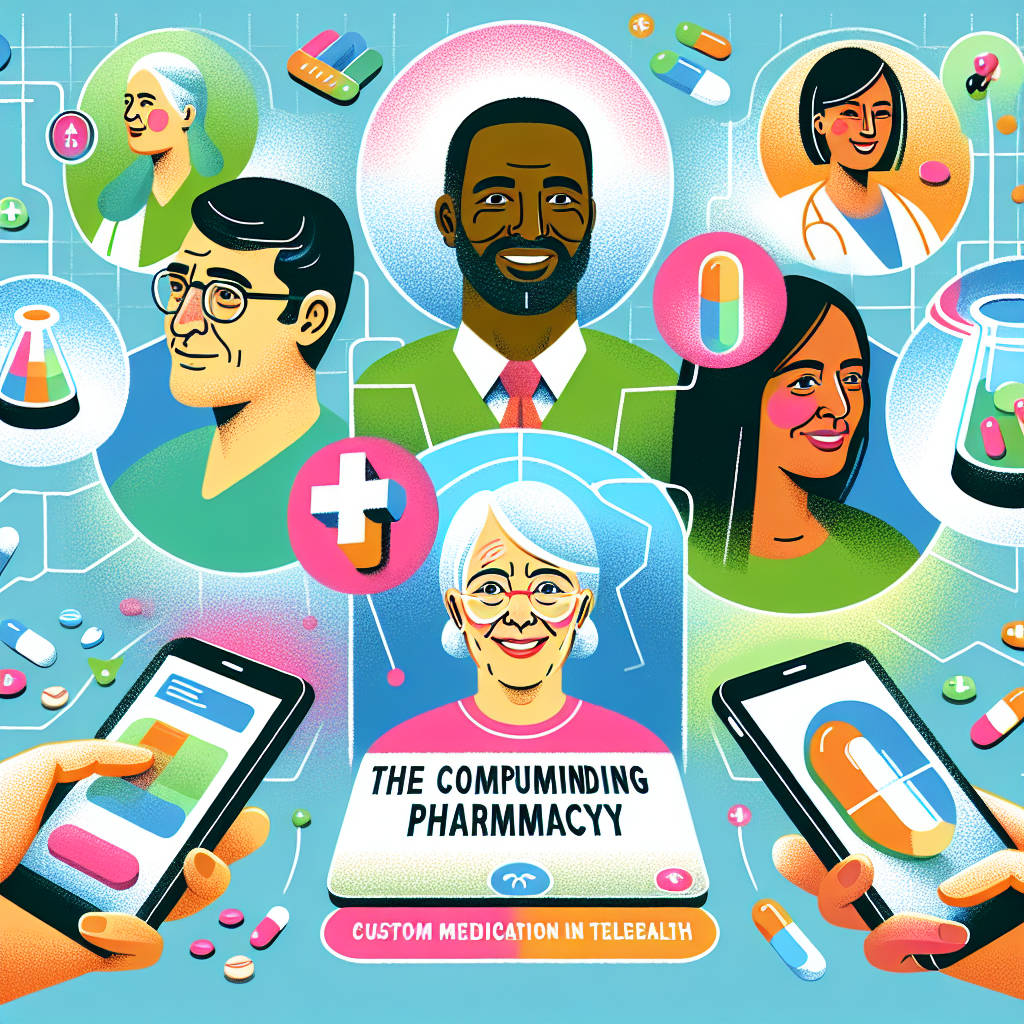
The Compounding Pharmacy Connection: Custom Medications in the Telehealth Era

Revolutionizing Healthcare Through Telehealth

The rapid expansion of telehealth is transforming how patients access medical care. With virtual consultations, remote monitoring, and digital prescriptions, healthcare has become more accessible and convenient than ever before. However, despite these advancements, many individuals still face challenges when it comes to finding medications that meet their specific needs.

This is where compounding pharmacies come into play. These specialized pharmacies fill the crucial gaps left by mass-produced medications by creating customized formulations tailored to individual patients. According to the Alliance for Pharmacy Compounding, approximately 30 million compounded prescriptions are filled annually in the United States. As Dr. Amanda Lee, a board-certified telehealth internist, emphasizes, “Custom medications are pivotal for patients whose conditions or allergies don’t allow for one-size-fits-all treatments.” In today’s telehealth landscape, this partnership ensures personalized care continues beyond the screen.

The Rise and Role of Telehealth

Telehealth usage has surged by nearly 3,000% since 2019, driven by technological advancements, regulatory changes, and evolving patient expectations (CDC, 2021). Services such as video consultations, mobile health apps, and smart health devices now empower healthcare providers to diagnose and treat patients without requiring them to leave their homes.

Despite this progress, most prescription medications are still delivered in standard doses and formats—such as tablets, capsules, or creams—that may not suit every individual. In some cases, patients need dose adjustments or allergen-free formulations that aren’t available off the shelf. Compounding pharmacies solve this issue by working closely with telehealth providers to create custom medications and deliver them directly to patients’ doors. Visit eDrugstore.com to explore personalized pharmaceutical solutions designed for your unique health needs.

What Are Compounding Pharmacies?

A compounding pharmacy is a licensed facility where pharmacists craft personalized medications by modifying dosages, ingredients, and forms. This process is especially beneficial for individuals who:

– Suffer from allergies to common drug additives like dyes, lactose, or preservatives
– Require unique or reduced dosages
– Struggle with traditional pill ingestion and need alternative delivery forms

For instance, a child with autism may be unable to take a tablet and instead require a flavored liquid version of a medication. Similarly, an elderly individual with kidney complications may need a lower dosage than what’s commercially offered. Compounding pharmacists follow rigorous safety protocols, working in accordance with United States Pharmacopeia (USP) standards such as USP <795> for non-sterile compounds and USP <797> for sterile preparations, while maintaining close communication with prescribing telehealth professionals.

Advantages of Integrating Compounded Medications into Telehealth

Personalized Dosing for Better Treatment

For patients living with chronic conditions like thyroid disorders, diabetes, or renal disease, precise dosing is critical. Rather than splitting pills—which risks incorrect dosing—patients can benefit from meticulously crafted medications tailored to their specific requirements.

Alternative Delivery Methods

Individuals who have difficulties swallowing, such as seniors or those with dysphagia, can opt for liquid medications, creams, suppositories, or even medicated lollipops for children. These alternatives not only provide comfort but can also improve drug absorption.

Allergy-Free Formulations

Nearly 19 million Americans experience adverse reactions to ingredients like gluten, lactose, dyes, or artificial preservatives (FARE, 2020). Compounded medications eliminate these allergens, resulting in safer and more effective treatment options.

Improved Taste and Palatability

For children, pets, or others who find standard medication flavors unappealing, compounding pharmacists can customize the taste with options like grape, cherry, or even peanut butter (for veterinary use). According to Dr. Jason Miller, PharmD, custom formulations have been shown to increase medication adherence by up to 60% in pediatric and elderly patients.

Seamlessly Integrating Compounding into Telehealth Workflows

Blending compounding capabilities with telehealth platforms creates a fully integrated care experience. Here’s a typical workflow:

– During a virtual appointment, the physician identifies the need for a custom medication.
– The prescription is securely sent to a licensed compounding pharmacy.
– The pharmacist reviews the order, verifies it with the physician when needed, and begins preparation.
– The final product is safely packaged and shipped to the patient’s home, often within just 2–3 business days.

Patients receive detailed instructions with their medication and have access to ongoing support from pharmacists or nursing staff, facilitated through the telehealth platform. This model eliminates the need for in-person pharmacy trips while maintaining high standards for safety and quality.

Enhancing Patient Adherence and Health Outcomes

Receiving medication in the right dosage and format can significantly improve a patient’s ability to follow treatment plans. Research published in the Journal of Managed Care & Specialty Pharmacy found that improved adherence led to a 25% decrease in hospital admissions among patients with chronic conditions.

Custom medications are especially indispensable in areas such as:

– Pediatrics, where tailored dosages are often required
– Oncology, due to the highly individualized nature of cancer treatment
– Veterinary care, as animal species vary widely in tolerance and dosage needs

The combination of telehealth delivery and personalized medication minimizes waste, maximizes compliance, and supports better health outcomes overall.

Regulatory and Safety Protocols in Compounded Medications

Safety and regulation are foundational elements of compounding pharmacy operations. These pharmacies are governed by federal and state regulatory bodies, along with USP guidelines, to ensure that each formulation meets pharmaceutical-grade standards.

To maintain safety and efficacy, compounded medications must be:

– Produced using validated protocols
– Documented with full transparency
– Quality-tested for potency, stability, and, when applicable, sterility

Telehealth providers also have regulatory responsibilities. They must obtain patient consent when prescribing compounded drugs and must clearly communicate the distinctions between these and conventional medications. The FDA requires that compounded medications differ from commercially available products unless there is a well-documented medical necessity. Collaboration between doctors and pharmacists guarantees that any concerns—from dosage adjustments to side effects—are addressed promptly.

Modern online pharmacies such as eDrugstore.com also provide real-time order tracking, refill reminders, and expiration alerts, all aimed at ensuring patients have consistent, reliable access to their treatments.

Envisioning the Future of Personalized, Digital Healthcare

As technology continues to evolve, so does the relationship between telehealth and compounding pharmacies. Innovations such as artificial intelligence (AI), wearable health monitors, and real-time data analysis are beginning to shape a more advanced model of personalized medicine.

In the near future, AI may guide physicians in designing highly specific prescriptions based on genetic profiles, medical history, and lifestyle. Meanwhile, wearable devices might alert pharmacists to real-time changes in a patient’s health metrics—automatically informing dose adjustments for optimal treatment.

Additionally, virtual pharmacy platforms will likely feature live pharmacist consultations, instant refill alerts, and seamless medication tracking—all accessible from a mobile device at home. The future of healthcare is not only digital—it’s handcrafted to each individual, with compounding pharmacies paving the way.

Conclusion: A New Era of Holistic, Tailored Care

The synergy between telehealth services and compounding pharmacies represents a breakthrough in personalized medicine. By offering virtual consultations coupled with customized treatments, healthcare providers can deliver care that is both convenient and uniquely tailored to each patient.

As regulations adapt and digital health tools become more sophisticated, the bond between telehealth and compounding will only strengthen. Patients stand to benefit from fewer side effects, easier medication administration, and better treatment success rates. With this momentum, the future of healthcare is becoming truly individualized—right down to the last milligram.

Resources and References

– CDC. “Trends in the Use of Telehealth During the Emergence of the COVID-19 Pandemic.” 2021
– FDA. “Compounding and the FDA: Questions and Answers.” 2022
– United States Pharmacopeia. “USP General Chapter <795> & <797>”
– FARE. “Facts and Statistics.” 2020
– Alliance for Pharmacy Compounding. “Compounding Pharmacy Industry Overview”
– Journal of Managed Care & Specialty Pharmacy. “Impact of Medication Adherence on Healthcare Costs and Outcomes”
– eDrugstore.com – Explore medications customized for your health, from your home

Visit eDrugstore.com to discover how compounded medications can be safely and conveniently delivered to your door.

We’re proud to announce that eDrugstore was recently featured in BizWeekly, highlighting our forward-thinking approach to health innovation—particularly our investment in peptide therapy.

The article, titled “Exploring the Potential of Peptide Therapy in Medicine”, takes a closer look at how eDrugstore is embracing this exciting area of treatment and what it means for the future of modern wellness.


Why Peptides?

Peptides are rapidly emerging as a key player in the world of precision medicine. These short chains of amino acids play a critical role in many of the body’s biological functions—and now, they’re being harnessed in treatments designed to improve metabolism, immunity, hormonal balance, and recovery.

At eDrugstore, we recognized the power of peptide therapy early and made it our mission to help bring these cutting-edge treatments to more people, with the support of licensed medical professionals and a trusted online platform.


What BizWeekly Had to Say

The BizWeekly article commended eDrugstore for our commitment to:

  • Expanding access to advanced treatment options
  • Integrating medically guided therapy into a convenient, online model
  • Helping consumers take control of their health with scientifically backed solutions

We’re honored by the recognition and encouraged to see our work highlighted as part of a broader movement toward smarter, more personalized health care.


Looking Ahead

Peptide therapy is just one example of how eDrugstore is evolving to meet the needs of modern patients. As science continues to uncover new uses and applications, we’re committed to staying ahead—delivering treatments that go beyond the basics and support real, measurable improvements in everyday wellness.


Read the Full Feature

To dive deeper into what makes peptide therapy so promising and how eDrugstore is leading the way, check out the full article on BizWeekly:
Read the article here

Remote Patient Monitoring: When Your Vital Signs Become Continuous Data Streams

Real-Time Healthcare is Here to Stay

Healthcare is no longer limited to occasional doctor visits. Thanks to innovations in remote care, providers can now access live updates about patients’ health. This transformation, driven by advanced technology like wearable heart-rate monitors and smart glucometers, allows clinicians to intervene early, helping prevent serious health issues before they escalate.

“Remote monitoring is shifting care from reactive to proactive. This is a major step forward in managing chronic diseases,” says Dr. Lisa Marino, a digital health expert at Stanford Health.

This article explores how remote patient monitoring (RPM) works, the technology that powers it, its benefits and challenges, and what lies ahead for this game-changing healthcare innovation.

From Periodic Appointments to Continuous Monitoring

Traditionally, a doctor’s insight was based on scheduled check-ups and patient-reported symptoms. Between visits, doctors often lacked critical information about a patient’s daily health patterns.

Today, continuous at-home monitoring is reshaping this system. Devices like Bluetooth-enabled blood pressure monitors and smartwatches automatically gather and send vital health data to care teams. This constant feed allows for quicker responses to changes in a patient’s condition.

For example, in heart failure patients, a sudden weight increase—captured by a smart scale—might indicate fluid retention. If caught early, interventions can be made before symptoms worsen.

Remote monitoring is made possible by several groundbreaking innovations:

– Compact wearable sensors that track metrics even while you sleep
– Reliable wireless networks that instantly connect medical tools to care portals
– Cloud computing and AI programs that analyze vast amounts of health data to identify warning signs

To gain more insight into how home-based health technologies are revolutionizing care, visit edrugstore.com for expert perspectives.

The Technology Behind Remote Health Monitoring

Every RPM system relies on smart technology working in synchronized layers. Here’s how these integrated systems function:

1. Data Collection
Patients use advanced wearables like pulse oximeters or ECG patches to monitor indicators such as oxygen saturation or heart rhythm regularly.

2. Secure Data Transmission
Information is transmitted using encrypted, privacy-compliant networks, ensuring adherence to regulations like HIPAA in the U.S. and GDPR in the EU.

3. Advanced Analytics and Alerts
AI and machine learning detect patterns and identify data that suggests potential medical issues. These programs can alert healthcare providers before symptoms arise.

4. Provider Workflow Integration
Real-time dashboards give physicians and nurses instant access to a patient’s health data. This allows for timely adjustments to treatment plans, virtual consultations, or dispatching in-home care.

The Advantages of Remote Patient Monitoring

As RPM becomes more common, patients and health systems are seeing both health and financial improvements. Below are some major benefits:

Early Detection and Fewer Hospital Admissions

RPM enables medical teams to recognize problems early, leading to faster treatment. One study in Mayo Clinic Proceedings found that heart failure patients using RPM experienced a 50% reduction in hospital readmissions.

Truly Personalized Medical Care

With access to long-term health data, care is no longer based on one-off visits. Doctors can analyze trends to tailor treatment based on what works specifically for the patient.

Stronger Patient Involvement

Many RPM apps provide patients with progress updates, medication reminders, and health tips. Dr. Joshua Lee of Emory University explains, “When patients see their numbers improve, they naturally stay more engaged.”

Significant Cost Savings

Fewer emergency room visits and shorter hospital stays lower overall healthcare spending. A McKinsey report estimates that remote monitoring could save the U.S. over $250 billion annually.

The Ongoing Challenges of RPM

While RPM offers exciting possibilities, it also presents hurdles that must be overcome:

Information Overload and Alert Fatigue

Too many alerts—often without immediate relevance—can lead to care team burnout. Systems must improve at highlighting only the most critical issues.

Integration with Health Record Systems

Many RPM platforms don’t fully sync with electronic health records (EHRs). Universal standards like FHIR (Fast Healthcare Interoperability Resources) help, but more work is needed for seamless data sharing.

Bridging the Digital Divide

Not every patient has access to smartphones or reliable internet. Vulnerable groups—including seniors and rural residents—may struggle with the technology. Offering digital literacy training and loaned devices can help make RPM more inclusive.

Navigating Regulatory Uncertainty

Policies around insurance reimbursements, medical device approvals, and data privacy are still evolving. As legislation catches up, clearer guidelines will shape how RPM grows.

To explore safe access to digital healthcare and prescription services, visit edrugstore.com.

The Future of Remote Monitoring: Smarter, More Predictive Care

Future RPM systems will become increasingly intelligent. AI-driven predictive analytics can spot early signs of deterioration, change in behavior, or risk well before symptoms emerge.

For instance, in diabetes care, AI may use data from glucose monitors, meal logs, and fitness trackers to detect a potential drop in blood sugar. This identifies emergencies before they happen.

Emerging trends include:

In-Home Diagnostic Testing

New home-based test kits—for conditions like respiratory infections, kidney function, and cholesterol—are bringing hospital-quality care right to your living room.

Smart Consumer Wearables Become Medical Tools

Fitness trackers are evolving to include approved medical features such as ECG and oxygen monitoring. Soon, your smartwatch could detect irregular heart rhythms and inform your doctor automatically.

Value-Based Care Supported by RPM

Healthcare systems are shifting from fee-for-service to value-based care, focusing on outcomes. RPM supports this model by reducing costs and improving health markers through real-time monitoring.

Conclusion: A Healthier Future, One Device at a Time

Remote patient monitoring is revolutionizing how care is delivered. By turning vital signs into continuous data streams, providers can intervene sooner, personalize care, and improve patient involvement.

“RPM is not just a tech upgrade—it’s a whole new way of delivering care,” says Dr. Tina Merino of Mount Sinai Hospital.

While challenges like data management, access inequality, and integration remain, growing support from insurers and health policymakers signals a bright future ahead.

Wondering if remote patient monitoring is right for you? Talk to your doctor about the options. If you’re managing a long-term health condition, consider tools like mobile ECGs or medication tracking apps. You can also browse trusted online pharmacies, such as edrugstore.com, for home-based devices and prescription services.

With the right combination of technology and support, you can take control of your health—anytime, anywhere.

References

1. Mayo Clinic Proceedings. (2021). Remote Monitoring and Hospital Readmissions. https://www.mayoclinicproceedings.org
2. McKinsey & Company. (2020). The Power of Virtual Health. https://www.mckinsey.com/industries/healthcare
3. HealthIT.gov. Understanding Interoperability in Healthcare. https://www.healthit.gov
4. Stanford Health Interview with Dr. Lisa Marino, Digital Health Specialist, 2023
5. Emory University Health Tech Report, 2022, Interview with Dr. Joshua Lee
6. Journal of mHealth. Predictive Analytics in RPM. https://www.thejournalofmhealth.com
7. EDrugstore.com. (2024). Exploring Remote Prescriptions and At-Home Care Devices. https://www.edrugstore.com