Transforming Women’s Health Through Digital Innovation

Over the past decade, digital health platforms have revolutionized the way women manage reproductive and menopausal health. From virtual consultations for contraception to online menopause symptom trackers, technology is making care more personalized and accessible. According to a 2022 Rock Health survey, 80 percent of women used at least one digital health tool in the past year.

However, this progress is not reaching everyone equally. The Centers for Disease Control and Prevention (CDC) reports that Black women are three times more likely to die from pregnancy-related causes than white women, and underserved communities often lack access to reliable internet. As Dr. Tamika Cross, an OB-GYN and health equity advocate, explains, “Digital tools must be designed for those who historically had the least access to quality care.”

This article explores how digital platforms can eliminate care gaps and dismantle persistent barriers. We’ll examine the roles of policymakers, healthcare professionals, and technology developers in building a truly equitable system of digital women’s health.

Empowering Women with Digital Tools

Digital advancements are putting health management into the hands of women. Modern apps offer features like cycle tracking, ovulation prediction, guided fertility exercises, and mood or hot flash diaries. These tools grant women greater autonomy over their health journeys.

Platforms such as Clue provide period and symptom tracking, available in various languages, making them accessible to diverse users. Nurx, an online reproductive health service, offers birth control prescriptions and at-home STI testing—services that were previously out of reach for many in rural or underserved areas.

Digital solutions also serve LGBTQ+ communities, who often face discrimination during in-person visits. Online platforms create safer, more inclusive spaces that encourage openness and trust.

Nonetheless, access barriers persist. Pew Research Center reports that 23 percent of adults in households earning under $30,000 lack broadband. Without reliable internet, many women are cut off from telehealth contraception and virtual hormone therapy consultations. Additionally, smartphones and data plans remain cost-prohibitive for numerous families.

Tackling Inequities in Reproductive Health

Reproductive health disparities are deeply rooted in systemic inequality. Black women experience a maternal mortality rate 3.5 times higher than that of white women, according to the CDC. LGBTQ+ individuals often avoid seeking care due to fear of judgment or bias. For digital tools to drive real change, they must be designed to confront these issues directly.

Culturally Inclusive Content

Platforms must ensure their content is culturally competent and available in multiple languages. For example, Planned Parenthood’s app delivers content in both English and Spanish, promoting inclusivity and respect across cultures.

Affordable Access to Care

Cost should never prevent access to healthcare. Telehealth providers like Maven Clinic have started offering services at no cost to Medicaid recipients. These affordable online birth control solutions help bridge economic divides.

Strong Privacy Measures

Data privacy is a valid concern, particularly for women in shared living environments. Apps must implement password protections, avoid unnecessary data tracking, and clearly disclose how user information is managed. Security protocols should match HIPAA-level standards to build trust.

Community-Centered Outreach

Engaging with trusted local organizations, such as Federally Qualified Health Centers and YWCAs, fosters trust and promotes usage. These partnerships can host reproductive health workshops and offer technical support in accessible, familiar environments.

Redefining Menopause Management Online

Menopause, long a taboo topic in many communities, is finally gaining digital attention. Virtual solutions such as hormone therapy consultations and online support groups are starting to reshape how women experience this transition.

Smart Symptom Tracking

Apps like Caria allow women to log menopause symptoms and receive tailored guidance. These tools support better communication with healthcare providers, resulting in more precise diagnoses and treatments.

Virtual Hormone Consultations

Tele-endocrinology enables users to consult experts from the comfort of home. Online access to hormone replacement therapy (HRT) eliminates long commutes and reduces stigma—especially important for women juggling work, family, and aging.

Online Communities for Connection and Support

Digital forums, including Reddit’s Menopause board and Facebook groups like “The Midlife Women’s Network,” offer non-judgmental spaces for women to share insights and receive support. These conversations help dismantle isolation and encourage informed self-care.

However, digital literacy for older adults remains an issue. The National Institute on Aging reports that just 58 percent of adults over 65 use smartphones. To address this, platforms should develop intuitive tools with features like voice commands, video tutorials, and simplified navigation.

Breaking Down Barriers to Digital Access

No matter how advanced a digital platform is, it will fall short without addressing core access challenges. The most pressing barriers include:

The Digital Divide

Nearly one in four adults in low-income households lack reliable internet access, according to Pew. Solutions like free public Wi-Fi, mobile hotspot lending through libraries, and subsidized plans via the Affordable Connectivity Program can dramatically improve accessibility.

Health Literacy Challenges

Medical jargon can be overwhelming. Clear, layperson-friendly language should replace terms like “endometrial ablation” with straightforward explanations such as “a procedure to reduce heavy bleeding by removing the uterine lining.” Visual aids and interactive content enhance understanding and retention.

Clinician Shortages

A more accessible digital system still requires skilled professionals. Federal programs that offer loan repayment for healthcare providers and incentives to promote DEI (Diversity, Equity, and Inclusion) hiring can help expand the digital care workforce. As Dr. Maria Rivera notes, “Representation is essential—especially when it comes to sensitive topics like fertility or menopause.”

Blueprint for Inclusive Digital Health Solutions

Creating a fair and effective digital women’s health ecosystem requires strategic collaboration and inclusive design. Here’s how stakeholders can build a more equitable future:

User-Centered Design

Involve women from diverse racial, economic, and gender identities in the design process. Platforms like Health in Her HUE integrate real life storytelling and user feedback to fine-tune digital tools.

Transparent Performance Metrics

By publishing user statistics by ZIP code, race, and income, companies can evaluate impact and identify gaps. Public-facing dashboards enhance transparency and promote accountability among funders and users alike.

Seamless Integration with Health Records

Connecting telehealth services with electronic health records improves continuity of care. EHR integration helps clinicians avoid duplication, ensures consistent follow-up, and facilitates informed decisions.

Policy Advocacy and Legal Reform

Advocates must push for laws that expand funding for inclusive digital reproductive health, enforce telehealth pay parity, and protect user data. Policy shifts at both state and federal levels are vital to long-term progress.

Clinician Education and Support

Ongoing training in both technology and cultural sensitivity prepares clinicians to use digital tools effectively. Teaching providers how to support diverse populations—for instance, a nonbinary teen using a period app—builds stronger, more empathetic care relationships.

The Path Ahead: Equity as the Guiding Principle

Digital tools have immense potential to reshape women’s healthcare. From ovulation tracking apps to virtual hormone consultations, these innovations can foster greater autonomy and convenience. But without deliberate and inclusive design, such tools risk reinforcing the very disparities they seek to solve.

A future built on digital progress must also be rooted in equity. Through user-inclusive design, robust community involvement, targeted advocacy, and systemic support, we can create a health system where every woman—regardless of race, income, identity, or geography—receives the care she needs and deserves.

Explore Trusted Online Reproductive Health Services

Interested in discreet and effective reproductive care delivered to your door? Visit eDrugstore.com to learn about online birth control options and telemedicine services tailored to your needs.

Sources

– Pew Research Center. “Internet/Broadband Fact Sheet.” 2021.
– CDC. “Racial and Ethnic Disparities Continue in Pregnancy-Related Deaths.” 2022.
– Rock Health. “Digital Health Consumer Adoption.” 2022.
– National Institute on Aging. “Older Adults and Technology Use.” 2022.
– Nurx. (2023). https://www.nurx.com/
– Caria. (2023). https://hellocaria.com/
– Dr. Tamika Cross – Interview with Healthline, 2023.
– Dr. Maria Rivera – “Equity in Digital Women’s Health,” Telehealth World Journal, 2022.

The Mental Health Divide in the Digital Age

Over the past decade, awareness surrounding mental health has grown significantly. However, equitable access to services remains a persistent challenge. Teletherapy—including video, phone, and messaging-based therapy—emerged as a vital alternative during the COVID-19 pandemic. The Centers for Disease Control and Prevention (CDC) reported a 25 percent global increase in anxiety and depression during the pandemic, showcasing the urgent need for easily accessible mental health care.

Though teletherapy has helped connect many individuals with mental health professionals, racial and ethnic minorities, low-income families, and immigrant communities often face systemic obstacles. Tackling these barriers with culturally inclusive, evidence-based approaches is essential for closing the mental health care access gap.

Rising Demand for Mental Health Support

The National Alliance on Mental Illness estimates that nearly one in five American adults—around 57.8 million people—live with some form of mental illness. These figures are even more pronounced in communities affected by poverty, discrimination, and displacement, where rates of PTSD, anxiety, and depression tend to be higher.

According to Dr. Thema Bryant, President of the American Psychological Association, access disparities are deeply rooted in broader structural inequities. Teletherapy does offer relief from some logistical hurdles such as travel and clinician shortages. Yet, these gains often fall short without specific adaptation for minority mental health needs.

Barriers Preventing Equitable Access

Despite its promise, teletherapy remains out of reach for many minority families due to the ongoing digital divide. Pew Research indicates that only 66 percent of Black and 61 percent of Hispanic households have access to high-speed internet, compared to 79 percent of white households. This digital shortfall renders teletherapy sessions inconsistent or practically unusable for many.

Cultural stigma, language barriers, and a lack of culturally competent providers also contribute to these challenges. For example, Chinese-speaking immigrants in San Francisco cited concerns over language access and online privacy. Limited insurance coverage for virtual mental health sessions further compounds inequities, especially for marginalized individuals.

The Power of Teletherapy to Bridge Gaps

Teletherapy offers unique advantages that resonate with underrepresented communities. It removes the need for long travel, childcare coordination, or time off work, making it more accessible for working adults. It also provides more privacy, reducing the stigma associated with mental health treatment in certain cultures.

Critically, teletherapy allows clients to connect with therapists across geographic boundaries, improving the odds of finding culturally aligned care. Platforms like LatinxTherapy.com help match clients with bilingual professionals nationwide. Dr. Manuel Ortega, a clinical psychologist specializing in immigrant health, notes, “Cultural sensitivity can make or break a therapy experience.” Tools designed with specific community needs and confidentiality in mind can increase trust and participation.

Persistent Hurdles in Implementation

Although the innovation in teletherapy is evolving rapidly, several critical challenges linger. Poor internet quality in rural and urban underserved areas often disrupts the consistency of digital care. License restrictions also create roadblocks—though demand may exist, providers are often barred from working with clients across state lines.

A 2021 survey by the American Psychological Association revealed that only 41 percent of therapists had received formal training in cross-cultural teletherapy practices. This lack of preparation, combined with mounting concerns over privacy, data security, and Health Insurance Portability and Accountability Act (HIPAA) compliance, can deter participation from vulnerable communities. Health technology analyst Lauren Klein warns, “Without robust data safeguards and user education, efforts to expand virtual mental health care will stall.”

Strategies to Improve Teletherapy Access

Improving teletherapy access for underserved groups requires multifaceted strategies:

Expanding Digital Access
Governments should collaborate with internet providers to deliver free or subsidized Wi-Fi and devices. Programs like the FCC’s Affordable Connectivity Program, which offers up to 30 dollars per month to lower costs, should be scaled to ensure hardware and internet access are not exclusive to higher-income demographics.

Boosting Cultural Competency
Universities and accrediting bodies should offer dedicated training and certifications for culturally competent digital care. This ensures therapists can adequately support diverse clients through virtual platforms.

Developing Multilingual Platforms
Teletherapy apps must prioritize language inclusivity. Platforms like Talkspace and BetterHelp have responded to growing demand by implementing Spanish-language interface options. This ensures immigrant and non-English-speaking families receive equitable care.

Fostering Community Partnerships
Collaborating with trusted grassroots institutions—such as churches, mosques, and cultural centers—helps normalize teletherapy and eases the onboarding process for clients new to mental health services.

Providing Affordable and Flexible Pricing
Clinics and private practices could reserve a portion of appointments for sliding-scale or pro bono services. Open Path Collective in New York City, for example, offers therapy sessions starting at 30 dollars, making professional care accessible to lower-income clients.

Policy Changes to Support Long-Term Equity

To create lasting change, structural reforms must complement community-level solutions. Key policy recommendations include:

Invest in Broadband Infrastructure
Expand high-speed internet coverage in marginalized communities through federal grants and municipal partnerships.

Ensure Insurance Parity
Pass and enforce laws mandating that public and private insurers reimburse virtual mental health services just as they do in-person care.

Streamline Licensing Across States
Simplify licensing rules across states to allow therapists to serve out-of-state clients, particularly where matched cultural care is not locally available.

Support Workforce Diversity
Allocate scholarship funds and loan forgiveness programs for underrepresented groups entering the mental health field, fostering a more diverse provider pipeline.

Integrate Services at the Community Level
Combine primary care and behavioral health by embedding teletherapy services in community clinics based in underserved ZIP codes.

Project Vida: A Community-First Model

In 2022, Project Vida, a Chicago-based nonprofit, launched a teletherapy initiative focused on serving Latinx families. This program distributed tablets preloaded with Spanish-language apps and partnered with community organizations to introduce digital care sensitively and effectively.

Through bilingual therapists and trained local community health workers, the program emphasized both cultural familiarity and technological ease. Within six months:

– Missed sessions dropped by 40 percent
– 85 percent of clients expressed greater ease discussing mental health in their native language
– Early intervention referrals increased by 30 percent

This community-rooted model demonstrates the power of culturally tailored design, collaboration, and accessibility in expanding mental health care.

Scaling and Measuring Success

For teletherapy to reach its fullest potential, continuous evaluation is essential. Gathering data segmented by race, income, language, and region helps identify service gaps and track improvements. Built-in client surveys, live translator availability, and user-generated ratings offer immediate input for refining services.

Some platforms now include anonymous feedback features to encourage honest participation. Programs like Project Vida and Therapy for Black Girls are poised for nationwide expansion through replication and federal backing. Partnerships with services such as online medication providers can further enhance care continuity, ensuring both therapy and treatment plans are supported digitally.

Conclusion: Envisioning Digital Mental Health Equity

Teletherapy holds immense promise in bridging longstanding gaps in mental health care. However, progress depends on a commitment to equity-driven innovation. By expanding internet infrastructure, enhancing provider training, normalizing digital therapy within local communities, and enacting supportive policies, we can ensure teletherapy becomes a sustainable and inclusive solution.

Mental well-being should never be determined by ZIP code, financial status, or language preference. With thoughtful design and collective dedication, digital mental health can become a critical pillar in achieving health equity for all.

References

– National Alliance on Mental Illness. Mental Health by the Numbers. https://www.nami.org
– CDC. Mental Health, Substance Use, and Suicidal Ideation During the COVID-19 Pandemic. https://www.cdc.gov
– Pew Research Center. Internet/Broadband Fact Sheet. https://www.pewresearch.org
– American Psychological Association. Telepsychology and Cultural Competence Survey Report.
– FCC. Affordable Connectivity Program. https://www.fcc.gov/acp
– Therapy for Latinx. https://www.latinxtherapy.com
– Open Path Collective. https://openpathcollective.org
– Project Vida Community Development Corporation. https://projectvida.org
– edrugstore.com. Online Medication Delivery Services. https://www.edrugstore.com

Low testosterone (sometimes called hypogonadism or “low T”) can affect energy, mood, sex drive, and body composition. Common early signs include reduced libido, low energy or motivation, and emotional changes; over time some people may notice erectile difficulties, reduced body or facial hair, and loss of muscle mass. If you suspect low T, testing and medical evaluation are the right first steps. Mayo Clinic

What causes low testosterone?
Age is the most common factor — testosterone tends to decline gradually after early adulthood — but other causes include testicular injury, pituitary disorders, certain chronic illnesses, obesity, and some medications. Because symptoms overlap with many other conditions (sleep problems, depression, thyroid disorders), blood tests and clinical assessment are used to confirm deficiency before any hormone-focused treatment is started. Mayo Clinic

Non-hormonal steps that help support healthy testosterone
Before—or alongside—any supplement or prescription therapy, simple, evidence-based lifestyle changes can improve testosterone-related outcomes for many people:

  • Exercise regularly. Resistance training and interval work support muscle mass and metabolic health.
  • Optimize sleep. Poor or shortened sleep lowers testosterone in studies.
  • Manage weight & diet. Excess body fat is linked to lower testosterone. A balanced diet, sufficient protein, and reduced refined carbs help.
  • Limit heavy alcohol & smoking. Both can negatively affect hormone balance.

These foundational steps are safe, broadly effective, and worth trying before hormonal approaches.

What is DHEA and why do people use it for “testosterone support”?
Dehydroepiandrosterone (DHEA) is an adrenal steroid the body naturally makes; it’s a biochemical precursor that can be converted into androgens (including testosterone) and estrogens in tissues. Supplements of synthetic DHEA are marketed to support energy, mood, sexual function, and “testosterone support” because of that precursor role — but how this plays out clinically depends on dose, age, sex, and individual metabolism. Mayo Clinic

What the evidence actually shows
Clinical trial results are mixed. Some studies show modest increases in androgen levels or symptom improvements in specific groups (for example, older women or select populations), while larger trials in older adults found no clear, broad functional benefits from DHEA for body composition or overall quality of life. In short: DHEA can change hormone levels in some people, but reliable, clinically meaningful benefits for “boosting testosterone” or reversing age-related declines are not consistently demonstrated. New England Journal of MedicinePMC

Common dosing used in studies (and important caveats)
Clinical trials most often use physiologic doses in the 25–50 mg/day range; some protocols use 50 mg for men, 25 mg for postmenopausal women. Higher doses have been tested but raise the chance of androgenic effects and side effects. There’s no universally-recommended over-the-counter “dose” approved for general use, and product quality can vary; consult a clinician before starting anything that affects hormones. PMCGoodRx

Safety, interactions, and red flags
Because DHEA is a hormone precursor, it can cause androgenic effects (acne, oily skin, increased hair loss in genetically-susceptible people through conversion to DHT), alter estrogen levels, and may worsen or increase the risk for hormone-sensitive cancers (for example prostate, breast, ovarian). It’s contraindicated in pregnancy and breastfeeding and can interact with medications (including hormone therapies); people with cancer risk factors, active hormone-sensitive cancers, or serious chronic illnesses should avoid DHEA unless supervised by a specialist. Always check with a clinician and disclose all medications and supplements you take. kuh.ku.edu.trWebMD

When a clinician might recommend DHEA or testosterone therapy
A typical clinical path is: (1) record symptoms, (2) measure morning fasting testosterone (and other relevant labs), (3) address reversible causes (sleep, weight, meds), and (4) consider treatment options (lifestyle, prescriptions, or — in specific cases — monitored supplements). If you and your clinician consider DHEA, they should monitor hormone levels and symptoms, and review risks and drug interactions. Mayo ClinicPMC

Product spotlight (brief)
PeakBody — DHEA Testosterone Support, 30 capsules (example, 30-count) — an over-the-counter DHEA supplement sold in capsule form. Many shoppers choose DHEA supplements as a low-commitment way to experiment with hormone precursors, but remember: product dose, purity, and manufacturer testing vary. If you list this product on a site, present it as a supplement (not a proven replacement for medical diagnosis or prescription therapy) and include a clear call to consult a healthcare provider before use. (Price & per-dose info as provided: $29.00 total; per dose $0.97.)

DHEA Testosterone Support 30 Capsules

Original price was: $29.00.Current price is: $14.50.
Category:
Tags:

Bottom line
Testosterone support is a combination of medical evaluation, lifestyle practices, and — when appropriate — targeted medical therapy. DHEA is one tool in the toolbox but has mixed evidence and meaningful safety considerations. If you or your customers are exploring DHEA or other hormone-affecting supplements, encourage lab testing, a discussion with a clinician, and cautious monitoring rather than one-off self-treatment.

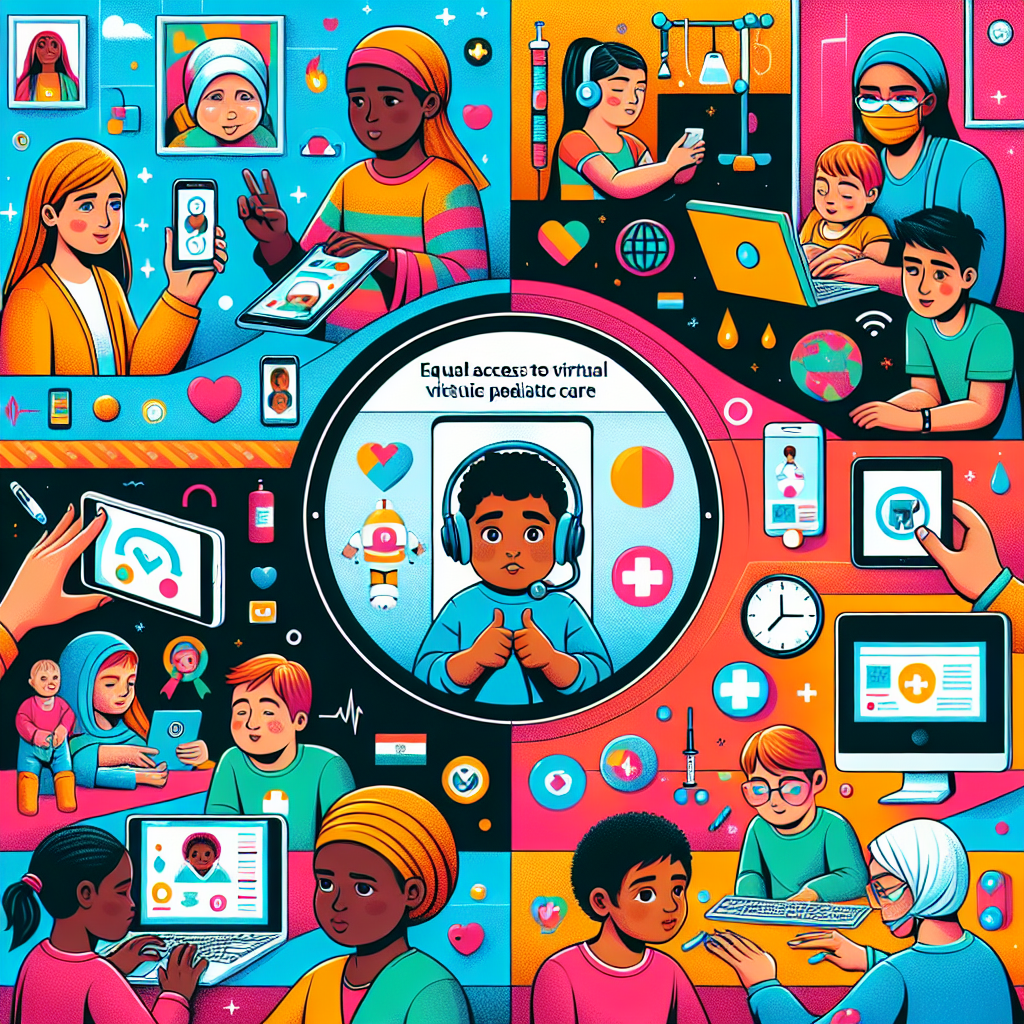
Introduction: Unlocking the Digital Door to Pediatric Health

As virtual pediatric healthcare services become a cornerstone of modern medicine, it is essential to ensure all children—regardless of race, income, locality, or ability—can benefit from this advancement. Innovations such as remote consultations and digital health monitoring allow children to connect with healthcare professionals from the convenience of their homes. According to the American Academy of Pediatrics, telehealth not only improves chronic illness management but also reduces missed school days. However, if we fail to address the pediatric telehealth equity gap, the children who need these services most may be left behind.

This article explores the powerful potential of virtual pediatric care, highlights key equity barriers, and outlines actionable strategies for healthcare providers, policymakers, and communities to ensure no child is left out.

The Promise of Virtual Pediatric Care

Reaching Specialists Without Leaving Home

For children in rural or underserved areas, accessing pediatric specialists can be nearly impossible. Over 20 million children in the U.S. live in healthcare shortage regions. Telemedicine helps bridge this gap by providing rural families with access to pediatric neurologists, behavioral specialists, and more—without the need to travel long distances. For example, Alaska’s telehealth programs have enabled families to connect with speech-language therapists without flying to urban centers, drastically reducing travel time and cost.

Flexible Appointments for Busy Families

Virtual care offers unmatched convenience. For working parents juggling multiple responsibilities, flexible pediatric virtual appointments eliminate the burden of taking time off work or arranging childcare. One mother in Michigan shared, “I can book a check-up after school, during recess, or on a lunch break—it’s a lifesaver.” This flexibility improves appointment attendance and follow-up care, leading to better health outcomes.

Simplifying Chronic Care Management

Children managing asthma, diabetes, epilepsy, or other chronic conditions often require consistent follow-up, which can be difficult due to transportation or time constraints. With chronic care management through telehealth, doctors can remotely monitor symptoms and adjust care plans in real-time. Secure messaging and virtual monitoring tools help pediatricians proactively address issues before they escalate into emergencies.

Addressing the Barriers to Equitable Virtual Care

While the promise of telehealth is clear, many families still face major obstacles. Tackling these challenges is key to closing the digital care divide.

Closing the Digital Divide

One of the biggest equity challenges in telehealth access for low-income families is the lack of reliable internet and up-to-date devices. According to Pew Research, 35% of households earning less than $30,000 annually lack home broadband, and nearly one-third don’t own a computer. This technological gap—and limited digital literacy—makes it difficult for some families to participate in virtual medical visits, reinforcing healthcare disparities.

Overcoming Language and Cultural Barriers

Telehealth systems often ignore the needs of families with limited English proficiency. Many platforms lack translated content or real-time interpretation services, making it harder for families to explain symptoms and understand medical advice. In a 2022 survey, parents reported difficulty navigating English-only portals. In addition, historical distrust in healthcare or digital systems further reduces engagement from some communities. Providing language support and building cultural competence is essential to enhance trust and improve access.

Navigating Insurance and Reimbursement Issues

Not all insurance providers treat telehealth equally. Some Medicaid programs and private insurers under-reimburse or do not cover virtual pediatric care at all. Without financial support, providers may hesitate to offer virtual visits, limiting access. Advocacy efforts must focus on achieving reimbursement parity to ensure families aren’t financially penalized for choosing virtual care.

Ensuring Data Privacy and Security

Privacy is a valid concern for families using telehealth. When accessing care via public Wi-Fi, such as at libraries or restaurants, sensitive health data could be at risk. Additionally, some parents worry about patient information being stored on third-party platforms. To build confidence in virtual care, healthcare systems must adopt secure, HIPAA-compliant platforms and offer technical support to guide users through safe practices.

Bridging the Gap: Actionable Solutions for Equity

Expanding Infrastructure and Access to Devices

Reliable internet and appropriate devices are foundational to effective telehealth. Programs in states like California and New York have distributed tablets and pre-installed apps to underserved communities. Collaborating with libraries and housing authorities to create telehealth-friendly spaces with secure Wi-Fi access significantly boosts attendance and participation in virtual visits.

Building Digital Literacy in Communities

Access to devices is just the beginning—families also need to feel confident using them. Health systems must invest in digital literacy initiatives, such as multilingual user guides, real-time tech help lines, and neighborhood-based assistance. Innovative programs in cities like Boston and Dallas have trained local youth and elders to offer hands-on support, proving that with the right help, anyone can navigate telehealth systems successfully.

Enhancing Language Access and Cultural Inclusion

Platforms built with cultural sensitivity and language access in mind see higher engagement rates. Incorporating translated consent forms, live interpretation, and multilingual navigation tools make healthcare more approachable. As Dr. Maria Vega, a pediatrician in Los Angeles, explains, “When families feel heard and understood—even over a screen—their trust and participation improve dramatically.”

Demanding Policy and Reimbursement Reform

Temporary policy adjustments during the COVID-19 pandemic paved the way for better telehealth coverage—but many are at risk of being reversed. State and federal leaders must act now to make these policies permanent, including equal coverage for phone-only visits and eased licensure for cross-state care. These reforms are vital to sustaining pediatric telehealth for future generations.

Partnering with Trusted Community Organizations

Faith groups, schools, and housing nonprofits play a unique role in promoting telehealth adoption. Hosting onboarding events or sharing real-life success stories can demystify the technology and reduce stigma. In Dallas, a nonprofit placed trained social workers in community centers, which led to a 40% increase in pediatric telehealth appointments in just six months.

The Role of Pediatric Providers and Health Systems

Healthcare providers have a leading role in driving virtual care equity through proactive practices.

  • Proactive Patient Outreach: Use your electronic health record systems to identify families on Medicaid or those needing language support and offer personalized telehealth education.
  • Flexible Scheduling Options: Evening and weekend appointments can accommodate working parents and increase participation.
  • Digital Navigation Support: Designate staff or volunteers trained as digital navigators to guide families through the entire telehealth process, from booking to follow-up care.
  • Equity Tracking and Evaluation: Regularly analyze data on telehealth usage by demographic group to uncover disparities and improve care plans accordingly.

Tracking Progress and Staying Accountable

Use Disaggregated Data to Reveal Gaps

Collect data on appointment completion, connection issues, and satisfaction, then disaggregate it by race, language, and geographic area. This granular view highlights where more support is needed and guides effective interventions.

Ask Families for Their Input

Simple post-visit surveys or text polls provide real-time feedback. Asking caregivers, “What could make virtual care easier for you?” ensures that changes align with families’ actual needs.

Stay Adaptable and Community-Focused

If no-show rates spike in a specific ZIP code, respond with targeted outreach or additional tech support. Successful telehealth programs evolve with community input and changing circumstances.

Conclusion: A Digital Future Built for Every Child

Equitable telehealth access for children requires coordinated efforts in connectivity, training, cultural competence, and policy. By building coalitions with schools, libraries, public agencies, and trusted community leaders, healthcare systems can meet families where they are—digitally and emotionally. As pediatric care becomes increasingly virtual, we must ensure that every household has a pathway to these services.

Together, we can close the virtual care gap—one child, one family, and one screen at a time.

References:

1. American Academy of Pediatrics (2023). Telehealth: Improving Access and Equity in Pediatric Care. https://www.aap.org
2. Health Resources & Services Administration (HRSA). (2022). Shortage Areas in the U.S. https://data.hrsa.gov/topics/health-workforce/shortage-areas
3. Pew Research Center (2021). Mobile Fact Sheet. https://www.pewresearch.org/internet/fact-sheet/mobile
4. Center for Connected Health Policy (2022). National Telehealth Policy Resource Center. https://www.cchpca.org

Learn more: Tools like edrugstore.com provide affordable medication access and support digital health initiatives to further bridge healthcare disparities.

Bilingual Telehealth: Expanding Access Through Language-Inclusive Technology

Revolutionizing Virtual Care

The rapid growth of telehealth has reshaped how healthcare is delivered, giving patients the ability to consult with medical professionals from nearly any location. However, for individuals who are not fluent in English, navigating these virtual platforms can be a major challenge. Enter bilingual telehealth systems—solutions that integrate real-time translation tools, artificial intelligence (AI), and culturally tailored communication. These platforms help eliminate language barriers, making virtual healthcare more accessible and effective for diverse communities.

Dr. Maria Lopez, a healthcare technology consultant, emphasizes, “Language should never block access to medical care. With the right tools, we can create a more inclusive, patient-centered healthcare experience.”

Understanding the Language Barrier in Healthcare

Language differences can create serious risks in healthcare—from incorrect diagnoses to medication errors. The U.S. Census Bureau reports that over 67 million Americans speak a language other than English at home, and nearly 25 million of them are not fluent in English. Patients with limited English proficiency (LEP) face higher risks during virtual health consultations due to communication mismatches.

Traditional interpreters are costly and can slow down care delivery. Bilingual telehealth tools, however, offer real-time translation during virtual visits—saving time and improving accuracy. For example, a Spanish-speaking mother can receive audio translations and on-screen Spanish captions while speaking to a pediatrician, making it easier to understand treatment instructions for her child.

How Technology Is Powering a Multilingual Revolution in Telehealth

Ongoing advancements in machine learning, natural language processing (NLP), and cloud computing are making medical translation faster, more reliable, and user-friendly. These new tools address communication challenges in virtual care:

– Live auto-subtitles translate spoken language as it’s being said.
– Voice-based AI interpreters instantly convert conversation between languages.
– Chat features with built-in medical glossaries ensure accurate, context-aware translations.
– Video interpreter APIs allow certified professionals to join appointments on demand.

These technologies blend automation speed with the specialized knowledge of human interpreters. For instance, a diabetic patient who speaks Mandarin can now receive live, precise instructions during virtual visits—eliminating confusion and delays.

A 2023 study from the American Telemedicine Association found that hospitals using multilingual chat translation tools experienced a 33% rise in follow-up appointment compliance among LEP patients.

Tools in Action: Key Translation Solutions in Virtual Care

Bilingual telehealth platforms use a suite of powerful technologies to help patients and providers communicate seamlessly, including:

– Speech-to-Text Engines: Convert spoken words into live captions—ideal for noisy households or those with hearing impairments.
– Text-to-Text Translators: Enable bilingual chat during check-ins and while giving prescription directions.
– Interpreter API Integrations: Platforms like Teladoc and Amwell connect with external interpreter networks to provide immediate access to certified professionals.
– Multimodal Language Support: Medical visuals, such as instructional videos and diagrams, include synchronized subtitles for better comprehension.

Remote clinics often use these tools to support patients who speak Indigenous languages, such as Hmong or Navajo, which are typically underserved by mainstream services.

Delivering Real Benefits for Patients and Health Providers

Introducing AI-powered translation features into telehealth platforms leads to a range of benefits:

– Expanded Accessibility: Patients can now receive virtual care in their native languages—even from rural or underserved areas.
– Improved Quality of Care: Accurate communication reduces the risk of misdiagnoses and treatment errors.
– Increased Efficiency: Healthcare providers save both time and money by replacing the need for third-party interpreters.
– Strengthened Trust: Patients feel understood and respected, leading to improved adherence to treatment plans and better outcomes.

“Language alignment during online appointments leads to clearer instructions and better results,” notes Dr. Ileana Cruz, a digital health advisor.

In fact, Medicare estimates that widespread use of automated medical translation could help reduce complications from miscommunication, saving the U.S. healthcare system over $2.1 billion annually.

Success Stories: Real-World Impact

The benefits of bilingual telehealth are evident in real healthcare settings:

Community Health Center in the Midwest
A Federally Qualified Health Center implemented AI-based speech-to-text interpreters. Within six months, LEP patient no-shows dropped by 25%, and patient satisfaction increased from 72% to 89%, leading to fewer emergency room visits and higher engagement in preventive care.

Rural Telepsychiatry Program
A mental health clinic in a remote area added bilingual chat translation for its Spanish-speaking patients. Appointment durations shortened by an average of 15 minutes, while therapy program retention improved by 30%.

Urban Hospital Network
In a major city, a hospital network added a real-time video interpreter API to its urgent care system. Clear multilingual communication reduced unnecessary hospital transfers for LEP patients by 40%.

Barriers to Implementation and How to Overcome Them

Despite impressive progress, there are still hurdles to address:

– Translation Accuracy: Automated solutions may miss nuanced meanings, requiring human oversight for complex cases.
– Data Security: All systems must comply with privacy regulations like HIPAA to protect patient information.
– Digital Literacy: Both patients and providers need training to use these tools effectively.
– Reliable Internet: Quality translation tools rely on strong internet connections, which may not be available in all areas.

A successful implementation strategy includes user education, pilot testing, vendor partnerships, and quality control to responsibly expand bilingual telehealth services.

What’s Next: The Future of Bilingual Virtual Health

The future of multilingual telehealth looks increasingly promising, driven by emerging innovations that include:

– Predictive Multilingual Text: Anticipates phrases for faster and more intuitive communication.
– Emotion-Aware Translation: Captures tone to maintain empathy and clarity during difficult conversations.
– Offline Translation Apps: Designed for disaster response or remote locations with limited connectivity.
– Personalized Language Profiles: Systems that adapt to each patient’s dialect, comprehension level, and preferred communication format.

According to Health Affairs, demand for bilingual digital healthcare services is projected to grow by 31 percent annually through 2030, shaping a future where inclusive care is the norm.

Conclusion: Language Equity in Healthcare Starts Here

With one in five U.S. residents speaking a language other than English at home, integrating real-time translation into telehealth is essential—not optional. These tools promote accessibility, reduce medical errors, lower healthcare costs, and build stronger trust between patients and providers.

“Healthcare equity starts with understanding,” says Dr. Asha Menon, a linguistic expert and advisor to WHO’s eHealth Task Force. “Our evolving technologies give us the ability to make healthcare accessible to everyone, regardless of the language they speak.”

By embracing multilingual virtual care, healthcare organizations can ensure that no one is left behind due to language differences. As innovation advances, bilingual telehealth will become a standard feature of inclusive, patient-focused healthcare.

References

– U.S. Census Bureau. (2021). Language Spoken at Home. https://www.census.gov/
– Centers for Disease Control and Prevention (CDC). (2022). Health Disparities and Health Equity Report.
– American Telemedicine Association. (2023). Trends in Digital Language Services.
– Health Affairs. (2024). Digital Health and Health Equity Forecast.
– EDrugstore.com. (n.d.). Health Literacy Tools & Bilingual Resources. https://www.edrugstore.com/

Las Vegas, NV — October 15, 2025 – Secure Medical’s innovative white-label telehealth platform, TelehealthCash, is set to take center stage at The Business Show Las Vegas, showcasing its cutting-edge Partner Program in a dedicated session titled “Telehealth White Label”. This presentation will take place from 2:00 PM to 2:30 PM in Theater 5.

Platform Highlights: TelehealthCash by Secure Medical

TelehealthCash provides a transformational opportunity for healthcare providers, wellness centers, influencers, podcasters, and other businesses to launch fully branded telehealth services with zero upfront investment and minimal operational burden. Key features of the platform include:

  • Fully Branded Platform: The service is styled with the partner’s logo, color scheme, messaging, and domain—greatly enhancing patient trust and brand consistency.
  • Turnkey Telehealth Solution: Secure Medical handles all backend operations—including licensed physicians, customer support, product fulfillment, and regulatory compliance—so partners can focus on growth.
  • 50/50 Revenue Sharing: Partners retain half of all generated sales, enabling significant revenue potential while Secure Medical assumes infrastructure and operational costs.
  • Ready-to-Go Launch: No need for new hires, licensing, or tech development—TelehealthCash allows partners to begin offering services in record time.
  • Extensive Support Network: The platform includes a branded patient call center, toll-free support, upsell strategies, and marketing campaigns via email and SMS.

TelehealthCash leverages its proven legacy in telemedicine—backed by a high Trustpilot rating, Legitscript certification, and a network that has served over 1 million patients in all 50 states.

Why This Presentation Matters

As telehealth continues to reshape healthcare delivery, TelehealthCash stands ready to empower business leaders to expand service lines, monetize their existing audiences, and diversify revenue streams. With the platform’s launch event scheduled during The Business Show Las Vegas 2025—coming October 15–16 at the Las Vegas Convention Center—the presentation offers a compelling opportunity to connect with forward-thinking professionals exploring frictionless telehealth solutions.

What Attendees Can Expect

Participants attending the Telehealth White Label session in Theater 5 will gain:

  • A detailed overview of how TelehealthCash’s turnkey setup simplifies telemedicine for partners.
  • Clear insights into how branded platforms drive loyalty and revenue.
  • Practical guidance on onboarding and launching telehealth services with no tech investment.
  • The opportunity to engage with Secure Medical’s executive leadership—such as Kyle Rao, CEO—who are instrumental in crafting partner success stories.

About The Business Show US 2025

The Business Show Las Vegas is part of a global portfolio of expos focused on business innovation and white-label solutions. Scheduled for October 15–16, 2025, the event brings together entrepreneurs, retailers, service providers, and brand owners committed to scaling their operations with minimal upfront risk.

Solo pleasure is more than a quick release — it’s a legitimate part of sexual wellness. Masturbation helps men explore what they like, reduce stress, release tension, and learn sensitivity and control that can improve partnered sex. The tools you choose for solo play — from simple strokers to textured sleeves — change the sensations dramatically, so understanding textures, materials, and use patterns helps you pick something that fits your goals.

Why sleeve texture matters
Different internal textures simulate different types of friction and pressure. Subtle ridges and waves can feel gradual and teasing, while pronounced nodules or bumps create intense, pinpoint stimulation. A sleeve with multiple textures lets you alternate sensations in one session, which is useful for learning what builds pleasure most effectively.

Common texture profiles

  • Wavy: Long, flowing ridges that create a glide-like sensation and a smooth build.
  • Boxy (ribbed/structured): Defined channels or chambers that compress and release for a tighter, pulsing feel.
  • Bumpy (nubs/nodules): Small raised points for concentrated, highly textured contact.

Materials and “realistic feel”
Medical-grade silicone and soft elastomers are popular because they balance stretch, firmness, and body-safe performance. Textured silicone can be engineered to mimic the feel of intercourse or to accentuate unique sensations that standard condoms or bare skin can’t provide. When a product lists “realistic intercourse feel silicone textures,” it generally means the interior is designed to combine grip and softness.

Single-use vs. reusable sleeves — pros and cons

  • Single-use (disposable): Convenient, hygienic out of the box, great for travel or testing different textures without committing to long-term care. They eliminate cleaning chores and reduce cross-contamination risk. The downside: more waste and typically less durable materials.
  • Reusable: Higher quality materials, better long-term value, and often deeper texture detail. Requires cleaning and proper storage; not ideal if you need something discreet and low-maintenance.

Safety, lube, and disposal tips

  • Lubrication: Use plenty of water-based lubricant for comfort and to protect sleeve materials unless the manufacturer states compatibility with other lube types.
  • Hygiene: If a sleeve is truly one-time use, dispose of it after the session. For reusable sleeves, clean inside and out with warm water and mild, unscented soap or a dedicated toy cleaner; dry fully before storing.
  • Disposal: Wrap disposable sleeves in tissue or a small bag and discard responsibly; follow local waste guidelines if applicable.
  • Materials: Check for body-safe labeling (medical-grade silicone, phthalate-free, etc.) and avoid products that don’t disclose materials.

Choosing the right sleeve for you

  • Curious but new: Start with a multi-texture pack or single-use sampler so you can test wavy vs. bumpy without a big investment.
  • Travel & discretion: Single-use, low-profile sleeves are easy to pack and toss when you’re done.
  • Intensity seekers: Look for pronounced textures and tighter internal channels.
  • Value shoppers: Multipacks that offer several textures let you experiment cost-effectively.

Product spotlight (brief)
WankO 3-Pack — Solo Pleasure (Made for eDrugstore)
A compact starter option that includes three single-use pleasure sleeves — Wavy, Boxy, and Bumpy — to deliver different sensations every time. Built with realistic silicone textures for an intercourse-like feel, the WankO pack is designed for simplicity: easy to use, disposable after a single session, and priced accessibly at $15.00 for the three-pack. It’s a practical choice for someone who wants to explore texture variety without the maintenance of reusable toys.

WankO 3 Pack Solo Pleasure

Original price was: $15.00.Current price is: $7.50.

Final thoughts
Exploring solo pleasure is a practical, private way to learn what sensations you prefer. Whether you want the low-maintenance convenience of disposable sleeves or the long-term value of reusable devices, pay attention to texture types, materials, and safety guidance. A three-pack sampler like the WankO collection can be a useful, affordable way to begin that exploration.

How Libraries Are Becoming Digital Health Hubs in Underserved Areas

Introduction: Libraries as Health Equity Champions

Public libraries have undergone a remarkable transformation in recent years. Once viewed primarily as places to borrow books, libraries in underserved communities are now becoming essential digital health hubs. These trusted institutions offer free access to health technologies, reliable online medical information, virtual care platforms, and support services—resources many residents would otherwise struggle to obtain.

According to a 2023 Pew Research Center survey, 43% of adults in rural America lack home broadband access. This digital divide hinders access to telehealth and online healthcare tools. By embracing innovative services, libraries are uniquely positioned to bridge both the health and digital literacy gap—critical challenges in the modern healthcare landscape.

Bridging the Digital Divide with Free Access and Technology

One of the greatest barriers to healthcare access is digital exclusion. Many people in vulnerable neighborhoods live without home internet, computers, or smartphones. Pew Research also reports that nearly one-third of adults with household incomes below $30,000 do not own a computer.

Libraries help close this gap by offering:
– Free public Wi-Fi and access to computers
– Personalized digital skills workshops and one-on-one tech support
– Loaner tablets and mobile hotspot devices for at-home use

These tools empower patrons to research accurate medical information, complete online health forms, and participate in secure telehealth appointments.

Dr. Carla Roberts, a telehealth expert at the University of Maryland, explains:
“Public libraries are often more accessible than clinics. By giving people the tools to get online, libraries empower informed, healthier decisions for the whole family.”

For example, the Enoch Pratt Free Library in Baltimore allows local residents to borrow Wi-Fi hotspots and tablets for up to two weeks. This service is especially crucial for individuals managing chronic health conditions or applying for online prescription services such as those available on platforms like eDrugstore.com.

Promoting Access to Trusted Health Information

Even with internet access, many users struggle to distinguish reliable medical sources from misinformation. Librarians, trained in information sourcing and evaluation, play a vital role in guiding patrons to trusted health content. These include:
– The National Library of Medicine’s MedlinePlus
– Centers for Disease Control and Prevention (CDC) health resources
– Peer-reviewed open-access medical journals
– Multilingual health education materials

At the Queens Public Library in New York, bilingual staff lead weekly “Ask a Health Expert” sessions and curate brochures on topics ranging from diabetes to maternal care, all translated into languages commonly spoken in the community.

“Libraries are gatekeepers of knowledge, especially in an age when medical myths spread quickly online,” says Jennifer Luna, Director of Health Literacy Programs at the University of Texas. “We address misinformation directly—with empathy and evidence.”

By doing so, libraries are advancing critical health literacy among underserved populations, giving residents the confidence to navigate and advocate for their own health care.

Expanding Telehealth Services Within Library Walls

As virtual care becomes more prevalent, many people—especially older adults and those in low-income households—lack the equipment and privacy to participate in telehealth appointments. Libraries are stepping in by creating secure, discreet telehealth rooms equipped with:
– High-speed internet and large screens for virtual visits
– HIPAA-compliant video platforms
– On-site staff to assist with scheduling and troubleshooting

The Bronx Library Center in partnership with Montefiore Medical Center has already enabled over 500 patrons to complete virtual mental health appointments since launching its telehealth room.

Other libraries, like those in Salt Lake County, partner regularly with health care providers to assist patrons with digital tools such as MyChart for managing prescriptions and appointments—many of which can also be efficiently accessed through online pharmacies like eDrugstore.com.

Building Health Programs Through Strategic Collaboration

Libraries don’t operate these extensive health services alone—they rely on collaborations with universities, nonprofits, healthcare institutions, and public health departments. Examples of common partnerships include:
– Federal grants, such as from the FCC’s Emergency Connectivity Fund, supporting telehealth upgrades
– Community nurses and health advisors visiting library branches
– Wellness events and health screenings hosted in library spaces

At Richland Library in South Carolina, weekly pop-up clinics provide vaccines, wellness checks, and eye exams in collaboration with the State Department of Health.

“Libraries hold deep trust within their communities, which can be a powerful foundation for outreach,” says Dr. Maya Green, Chief Medical Officer at Howard Brown Health. “When libraries work in partnership, the impact is exponential.”

Addressing Challenges in Public Health Delivery

Despite their expanding role, libraries face several challenges when integrating digital health services. These include:
– Limited budgets and staffing
– Concerns over maintaining client privacy under health data regulations such as HIPAA
– Staying current with fast-evolving telehealth platforms and systems

Innovative solutions are emerging:
1. Cleveland Public Library secures multi-year funding through local philanthropic partnerships to support digital equity programs.
2. Chicago Public Library offers its staff ongoing professional development focused on secure handling of health-related data.
3. Tools from the Public Library Association (PLA), such as online courses and peer learning groups, help librarians adapt and grow in their digital health capabilities.

These efforts are creating sustainable models that enable consistent and equitable access to digital health services through the familiar neighborhood library.

Success Stories: Real-World Results From Local Libraries

Across the country, libraries are already shifting health outcomes. Noteworthy examples include:
– The Mid-Ohio Library Network saw a 30% increase in mental health tele-visits after launching private telehealth rooms and promoting awareness.
– In rural McIntosh County, Georgia, the no-show rate for specialist appointments dropped by 40% after the library began lending tablets and hotspots to residents.
– San Antonio Public Library collaborated with UT Health to deliver a bilingual “Diabetes Cooking From Home” webinar. After six months, many participants saw measurable improvements in both weight and A1C blood sugar levels.

These examples prove that when libraries remove access barriers, both physical and virtual, communities are able to engage with healthier habits and medical guidance more effectively.

Looking Ahead: The Future of Libraries in Digital Health

As demand grows, many libraries are planning new initiatives aimed at widening their role in public health, such as:
– Walk-up stations for blood pressure and heart rate measurement
– Mobile pop-up vans featuring telehealth kiosks for rural outreach
– Multilingual AI chatbots to assist with healthcare system navigation
– Policy advocacy for recognizing libraries as important health access points at both state and federal levels

These initiatives represent the next step in turning library-based health access into a long-term, nationwide strategy that meets people wherever they are.

Conclusion: Libraries as Gateways to Health Equity

Modern libraries have evolved far beyond bookshelves and reading rooms. In underserved communities, they now offer critical services such as free digital access, culturally sensitive medical information, and telehealth appointments in secure, welcoming environments.

With growing partnerships and proven success, today’s libraries are becoming indispensable allies in the effort to create equitable, community-driven healthcare systems. Through continued investment and innovation, libraries are empowering millions with the tools to improve their health—and ultimately, their lives.

Dual stimulation — the coordinated stimulation of internal (G-spot) and external (clitoral) erogenous zones — has become one of the most talked-about approaches in modern sexual wellness. It’s not a gimmick: combining internal vibration with focused clitoral stimulation can create more reliable, varied, and satisfying experiences for many people. New device designs and gentle suction technologies have expanded what’s possible, making exploration safer, more discrete, and easier to personalize.

Why dual stimulation works
Physiology helps explain the appeal. The clitoris is densely packed with nerve endings and is primarily responsible for external sexual pleasure, while the G-spot (for those who experience it) can respond to internal pressure and targeted vibration. Stimulating both areas simultaneously can synchronize sensations and build intensity in ways that single-point stimulation sometimes does not. For many people, the interplay between internal and external input shortens the route to pleasure and creates richer, fuller orgasms.

Modern tools and technology
Sexual wellness tools have evolved beyond simple vibration. Today’s devices often combine multiple modes — different vibration rhythms, pulse patterns, and suction-based clitoral stimulation — allowing users to mix sensations rather than relying on one steady rhythm. These technologies emphasize control: separate buttons for each function, quick-response activation, and a range of patterns let you experiment with combinations that suit your body and mood.

How to approach exploration

  • Start slow. Try low intensities and one mode at a time while you learn how internal and external sensations interact for you.
  • Use patterns, not just power. Short bursts and alternating rhythms often work better than steady, high-intensity stimulation.
  • Listen to your body. Pleasure should feel good — if something hurts or feels uncomfortable, reduce intensity or stop.
  • Include your partner (if you want). Dual stimulation devices can enhance partnered play by allowing one person to manage the internal stimulation while the other attends to external touch, or by using the device together.

Choosing the right device
When shopping, consider:

  • Customization: Multiple vibration and suction/pulse patterns are ideal because they let you fine-tune sensations.
  • Controls: Separate, easy-to-use controls for internal and external functions prevent awkward fumbling during use.
  • Materials & safety: Body-safe, medical-grade silicone is the standard. Check waterproof ratings and battery/recharge specs.
  • Size & ergonomics: A handheld, ergonomic shape is easier to position and store if discretion matters.

Cleaning, lubrication, and safety

  • Cleaning: Wash before and after use with warm water and gentle soap or a dedicated toy cleaner. Follow manufacturer guidance for charging ports and waterproof limits.
  • Lubrication: Use water-based lubricants with silicone toys to protect materials and suction seals; avoid oil- or silicone-based lubricants unless the device specifies compatibility.
  • Storage & maintenance: Store in a dry, cool place. If the device uses removable batteries, remove them for long-term storage. Keep charging cycles regular to protect battery life.

When to consult a pro
If you experience chronic pain, persistent discomfort during sex, or unexpected bleeding, a healthcare professional (sexual health clinician, gynecologist, or pelvic floor specialist) can help rule out underlying issues and recommend approaches that work safely for your body.

Product spotlight (brief)
If you want a compact example of the current generation of dual-stim devices, the Rose G-Spot Vibrator from PeakBody pairs targeted internal vibration with clitoral suction technology. It offers 10 vibration modes and 10 suction patterns, separate on/off controls for each end, and a fast-response activation. As a featured, approachable option, it’s useful for people who want to explore how synchronized internal and external stimulation feels without committing to a high-end device.

Rose G-Spot Vibrator Hand Held

Original price was: $39.00.Current price is: $19.50.
Category:
Tags:

Final thoughts
Dual stimulation isn’t a requirement for pleasure — everyone’s body is different — but it’s a valuable toolset to consider. With thoughtful experimentation, the right device, and an emphasis on safety and consent, dual stimulation can broaden your sexual wellness toolkit, boost intimacy, and help you discover what genuinely works for you.

Unlocking the Promise of Telehealth for All

Telemedicine has revolutionized the way we access healthcare, offering services through digital platforms from the comfort of our homes. Yet, not everyone can enjoy its benefits equally. A major challenge—known as the digital divide in telehealth—affects millions of older adults and rural residents, preventing them from receiving essential healthcare services. This digital divide results from poor internet access, limited digital literacy, and high technology costs. According to a 2021 Pew Research Center report, just 75 percent of adults over 65 use the internet, and the numbers are even lower in remote areas. This article explores the unique obstacles these groups face and offers clear strategies for creating a more inclusive and equitable healthcare landscape.

What Is the Digital Divide in Healthcare?

The term “digital health equity gap” refers to unequal access to broadband internet, electronic devices, and the digital skills required to use them. Telehealth services—including virtual consultations, remote monitoring, and health-related apps—rely on stable internet and basic technological literacy. Without these, seniors and remote residents may find digital healthcare more confusing than helpful. As Dr. Ateev Mehrotra of Harvard Medical School explains, “We can only benefit from telehealth if patients can actually connect to it.” In other words, without the proper tools, telehealth can become a barrier instead of a bridge.

Challenges Faced by Older Adults in Telehealth

Limited Digital Literacy

Seniors represent a growing demographic in need of healthcare, yet many struggle with the digital world. According to the National Poll on Healthy Aging, 45 percent of adults over 65 are uncomfortable using video conferencing platforms. Simple tasks—like launching an app or navigating a screen—can become overwhelming. Imagine asking an 80-year-old with arthritis to pinch and swipe on a smartphone. It’s not impossible, but it’s far from easy. This usability challenge must be addressed to ensure inclusivity.

Physical and Cognitive Limitations

Many older adults suffer from conditions such as arthritis, memory loss, or Parkinson’s disease—all of which can make using technology physically difficult. For example, someone with tremors may find it challenging to type on a touchscreen. Voice-activated controls and large-font displays can be game-changers in making telehealth more accessible for this group.

Financial Barriers

Cost is another significant obstacle. A decent tablet exceeds $300, and broadband service averages about $64 per month in the U.S., as reported by BroadbandNow. Seniors living on fixed incomes often face tough decisions between paying for medications and affording internet service. Many resort to outdated devices, which may not support essential health apps, leading to accessibility and security issues.

Structural Challenges Facing Rural Communities

Insufficient Broadband Infrastructure

Access to reliable high-speed internet is the cornerstone of effective virtual healthcare. Unfortunately, more than 19 million Americans—primarily in rural areas—lack broadband access, according to the FCC. This lack of infrastructure makes video consultations and digital portals nearly impossible, representing a critical barrier to telemedicine adoption in rural America.

Lack of Devices

In many rural, low-income communities, it’s common for an entire family to share just one smartphone. Scheduling telehealth appointments becomes nearly impossible when devices are limited. Furthermore, older phones may not support telehealth apps, further restricting access.

Geographic Isolation Compounds the Issue

Even in regions with public Wi-Fi, residents often need to travel long distances to use it. For instance, a patient in rural Montana may have to drive to the local library just to attend a digital consultation. This not only adds transportation challenges but also defeats the core purpose of telehealth—eliminating the need for travel.

Bridging the Gap: Community Solutions That Work

Community-Based Telehealth Hubs

Local institutions like libraries, churches, and senior centers can serve as telehealth access points. These hubs can provide devices, internet access, and trained volunteers to assist patients. For example, a church in Mississippi now hosts telehealth sessions in a private room after Sunday services, with helpers ready to guide users through the process. It’s a scalable model that fosters accessibility and trust.

Mobile Health Units Serve Remote Locations

Some healthcare organizations are taking services directly to rural communities via mobile vans equipped with satellite internet and tablets. These units offer routine services, from virtual healthcare appointments to blood pressure checks. To explore how mobile care units are making a difference, visit our partner site edrugstore.com.

Tablet and Hotspot Loan Programs

Innovative programs like California’s Connected Care Pilot lend out tablets and internet hotspots to patients who lack resources. Hospitals and nonprofits can replicate this approach by assembling portable telehealth kits, enabling more consistent healthcare access and chronic disease management.

Smart Tech Solutions Catering to Unique Needs

Low-Bandwidth Telehealth Apps

Applications such as Doxy.me and VSee are tailored for environments with limited connectivity. These platforms feature audio-only backups, adjustable video quality, and intuitive layouts—making them especially valuable in rural or low-income settings.

Easy-to-Use Telehealth Interfaces

Design matters. One-click logins, oversized icons, and voice navigation go a long way in making technology more senior-friendly. The University of Nebraska recently launched an app designed specifically for older adults with dementia, proving that thoughtful design can drive digital inclusion.

Built-In Accessibility Features

Real-time translation and captioning features make telehealth more usable for people who are hearing-impaired or who speak different languages. The American Telemedicine Association recommends making these features standard across all platforms to ensure broader accessibility.

Building Confidence Through Training and Support

Digital Literacy Workshops for Seniors

Community centers and libraries can host basic tech literacy classes. These workshops can teach users how to connect to Wi-Fi, open apps, and navigate common telehealth platforms. Even high school students can serve as enthusiastic and effective instructors, helping bridge the generational technology gap.

Telehealth Support Hotlines

A friendly helpline—often referred to as a “warm line”—can be a lifesaver during virtual appointments. In Chicago, local health groups offer phone support to guide seniors through connecting to their virtual visits, which significantly reduces anxiety and dropout rates.

Encouraging Caregiver Participation

Family members and professional caregivers play a critical role in helping seniors feel comfortable with telehealth tools. Offering training to these supporters ensures a smoother experience and helps avoid missed appointments or miscommunications.

Policy Solutions and Funding That Empower

Increasing Broadband Support

Programs like the FCC’s Affordable Connectivity Program are steps in the right direction. However, more funding and precise allocations are needed. Some states, including North Carolina, are using improved mapping techniques to identify underserved areas and channel resources effectively.

Payment Parity for Virtual Visits

Ensuring that healthcare providers are reimbursed equally for telehealth and in-person services is crucial. Medicare’s expansion during the COVID-19 emergency demonstrated that fair pay for telehealth is both feasible and essential for continued adoption.

Grants for Technology and Innovation

Federal and private grants designed to boost telehealth infrastructure can support everything from Wi-Fi installations to employee training. The Health Resources and Services Administration (HRSA), for instance, offers financial support to community clinics for digital initiatives. Localized programs inspired by these efforts are gaining traction and showing promising results.

Creating a Future of Inclusive, Digital Healthcare

Telehealth offers the potential for personalized, timely care without the need for travel. However, older adults and rural residents must first overcome significant challenges—ranging from digital literacy to internet availability. The good news? Solutions exist, from mobile health vans and loaner devices to support hotlines and policy reforms.

As Dr. Karen DeSalvo, former Chief Health Officer at Google Health, said, “Health equity means doing what it takes to ensure every person has access to the care they need—no matter where they live or how old they are.” By combining smart technology, community engagement, and targeted funding, we can truly make telehealth work for everyone.

References

– Pew Research Center. “Internet/Broadband Fact Sheet.” 2021
– Federal Communications Commission. “2022 Broadband Deployment Report”
– National Poll on Healthy Aging. University of Michigan, 2020
– BroadbandNow. “Average Cost of Internet in the U.S.” 2022
– Harvard Medical School. Interviews with Dr. Ateev Mehrotra on Telehealth Access
– American Telemedicine Association. “Telehealth Accessibility for All”
– Health Resources and Services Administration (HRSA). “Federal Office of Rural Health Policy,” 2023

For more tools and guidance on online healthcare, visit edrugstore.com.