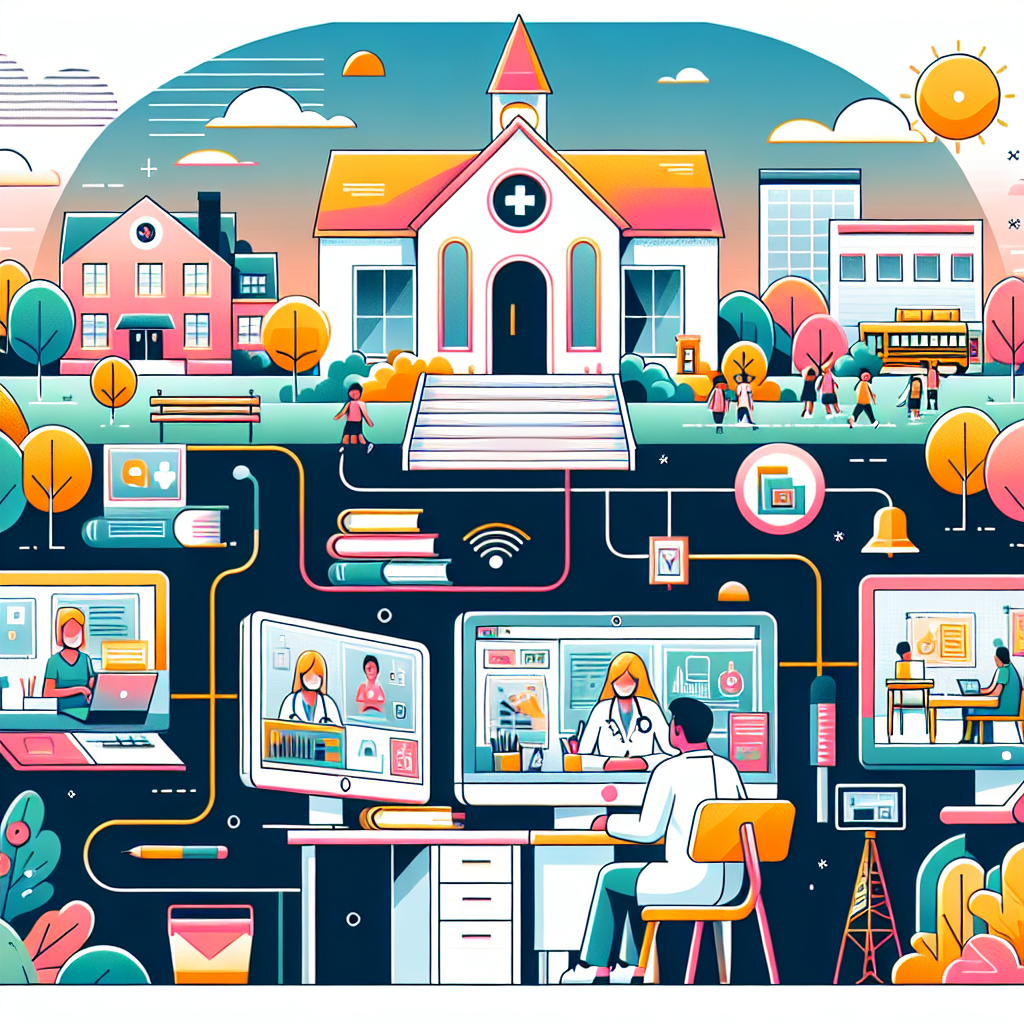
The School-Based Telehealth Hub: How Districts Are Converting Nurse’s Offices Into Virtual Specialty Clinics
Introduction: Meeting Students Where They Are—At School
Across the United States, school districts are seeking innovative ways to address the expanding healthcare needs of students—without disrupting classroom time or straining budgets. One rapidly growing solution is school-based telehealth. By converting traditional nurse’s offices into modern telehealth clinics, schools are connecting students directly with pediatricians, behavioral health specialists, and other healthcare providers—right from campus.
More than 75% of pediatric visits can now be handled remotely, according to the American Telemedicine Association. This makes a strong case for investing in on-site telehealth infrastructure. “Telehealth brings healthcare where students already are—at school,” says Dr. Melissa Hampton, a pediatric telemedicine consultant with over two decades of experience. “It’s a game-changer for improving access while minimizing classroom disruptions.”
Setting Up a Digital Clinic: More Than Just a Webcam
Transforming a school nurse’s office into a fully functional virtual clinic involves more than installing a camera. Creating a HIPAA-compliant and effective pediatric telehealth environment requires careful planning around technology, workflow integration, and student privacy.
Many schools designate a private, soundproof room adjacent to the nurse’s office, equipped with high-resolution webcams, secure video conferencing tools, and digital diagnostic devices such as otoscopes and stethoscopes. These tools allow remote providers to assess a student’s health in real time. Trained school nurses or health aides typically manage the operation, assist with virtual visits, document vital signs, and maintain healthcare standards.
At Jefferson Elementary in Iowa, the nurse’s suite now includes a dedicated telemedicine room with a separate entrance. Students can receive speech therapy or dermatology consultations between recess and lunch thanks to a tablet linked directly to healthcare specialists.
Key Benefits of School-Based Telehealth Programs
School-based telehealth goes beyond convenience, delivering real improvements in student health outcomes and educational success.
Improved Access to Specialty Care
Recruiting pediatric specialists such as cardiologists or endocrinologists is a major hurdle in rural or underserved areas. School-based telehealth bridges this gap. Remote appointments can be scheduled within days rather than the typical six-month wait many rural patients face. Telehealth expands access to essential care for students who may otherwise go without.
Reduced Absenteeism
Virtual healthcare eliminates the need for time-consuming off-campus appointments. Telehealth sessions can be slotted during lunch or study periods, reducing student absences and minimizing disruptions for working parents. According to a study in the Journal of School Health, telehealth initiatives led to a 63% drop in missed school hours for students with chronic conditions.
Earlier Intervention and Better Outcomes
Telehealth screenings facilitate timely identification of issues like developmental delays, speech disorders, or anxiety. This allows school staff to support students earlier and refer them to appropriate care quickly. Early intervention is key to long-term success, especially for behavioral and developmental concerns.
Greater Family Involvement
Parents no longer need to take a day off to attend their child’s appointment. With school-based telehealth, they can join consultations from work or home through secure video links. One parent from Horizon Unified remarked, “I joined my child’s diabetes check-up during a lunch break. It was seamless, and I felt involved.”
Case Study: Horizon Unified School District’s Telehealth Success
Horizon Unified School District, located in the Midwest, offers a powerful example of effective telehealth implementation in schools. After launching its pilot program at three elementary schools in partnership with a regional pediatric hospital, the district saw measurable success:
– 18% decrease in student emergency room visits within six months
– 25% boost in well-child visit completion rates
– 90% of parents surveyed described the telehealth experience as “convenient and effective”
What Made It Work:
– Thorough staff training on technology and privacy
– Balanced scheduling to coordinate nurse responsibilities with virtual appointments
– Partnerships with remote specialists, including speech therapists and child psychologists
Addressing Challenges in Starting Telehealth Programs
Launching telehealth programs in schools comes with logistical and financial hurdles—but none that cannot be overcome with strategic planning.
Initial Infrastructure Investment
Telehealth clinics require secure platforms, high-resolution cameras, and HIPAA-compliant internet connectivity. Funding support typically comes from federal grants, Medicaid reimbursements, or partnerships with local hospitals. Programs like the FCC’s School Health Pilot or HRSA’s Telehealth Resource Centers offer essential startup guidance and resources.
Managing School Staff Workload
Since nurses already juggle multiple responsibilities, telehealth visits can’t add to their burden without support. Schools often hire part-time telehealth coordinators or share resources across multiple campuses to streamline workloads.
Securing Parental Consent and Data Privacy
Clear and accessible communication is essential for family trust. Districts should provide privacy policy overviews and consent forms in multiple languages, along with educational materials that explain telehealth protocols and data protections.
Navigating Medicaid and Billing
Medicaid billing regulations vary by state, so schools must collaborate with billing professionals and local Medicaid offices to ensure compliance. Some use third-party vendors to manage claims processing, ensuring no eligible visit goes unbilled.
Best Practices for Sustainable Implementation
To build a lasting and effective telehealth program, districts should consider these expert-recommended strategies:
1. Build Strong, Local Healthcare Partnerships
Establish relationships with hospitals, specialists, and health systems. Clear memorandums of understanding (MOUs) help ensure aligned goals and resource sharing.
2. Engage Families Early
Host information nights, print materials in multiple languages, and create easy-to-understand digital tools. Empowering families from the beginning leads to higher participation and trust in the system.
3. Pilot, Evaluate, Then Expand
Start small with a focused pilot in selected schools. Track data, collect feedback, refine processes, and scale based on clear, measurable outcomes like attendance rates and ER visits.
4. Integrate with Broader Health Goals
Make sure your telehealth services align with existing school wellness programs, including mental health initiatives, chronic condition management, and nutritional education.
5. Invest in Continuous Staff Training
Ongoing education ensures that all team members—from nurses to administrators—are equipped with the latest telehealth knowledge. Regular training boosts compliance, efficiency, and morale.
The Evolving Future of Health Support in Schools
Technology is advancing rapidly, and telehealth in schools is evolving just as quickly. Mobile medical carts now allow virtual visits in classrooms, and group therapy sessions for students coping with anxiety can be held remotely. These innovations have the potential to close healthcare access gaps nationwide.
“As school-based care evolves,” notes Dr. Hampton, “we have an opportunity to improve equity in children’s health, no matter their ZIP code.” Schools positioning themselves as digital health hubs are not only improving student wellbeing—they’re reshaping the future of educational support.
Conclusion: Schools as Centers of Healing and Learning
By transforming nurse’s offices into connected pediatric clinics, schools are responding to the urgent call for more accessible and effective healthcare. While implementation comes with challenges, the rewards—better health, boosted attendance, and stronger family-school communication—are undeniable.
With smart planning, collaborative partnerships, and continuous improvement, virtual care can become a permanent and powerful part of the school environment. As telehealth becomes a defining element of student support systems, schools will continue to serve not just as places of learning, but as communities of healing and empowerment.
References
– American Telemedicine Association (2023). Telehealth and Pediatrics: Trends in Virtual Care Delivery. https://www.americantelemed.org
– Journal of School Health (2022). Impact of School-Based Telehealth on Chronic Disease Attendance Rates
– National Rural Health Association (2022). Pediatric Access in Rural Settings: A Telehealth Strategy
– Health Resources and Services Administration (HRSA). School-Based Telehealth Startup Toolkit
– edrugstore.com. Remote Prescription Access and Online Pharmacy Support. https://www.edrugstore.com