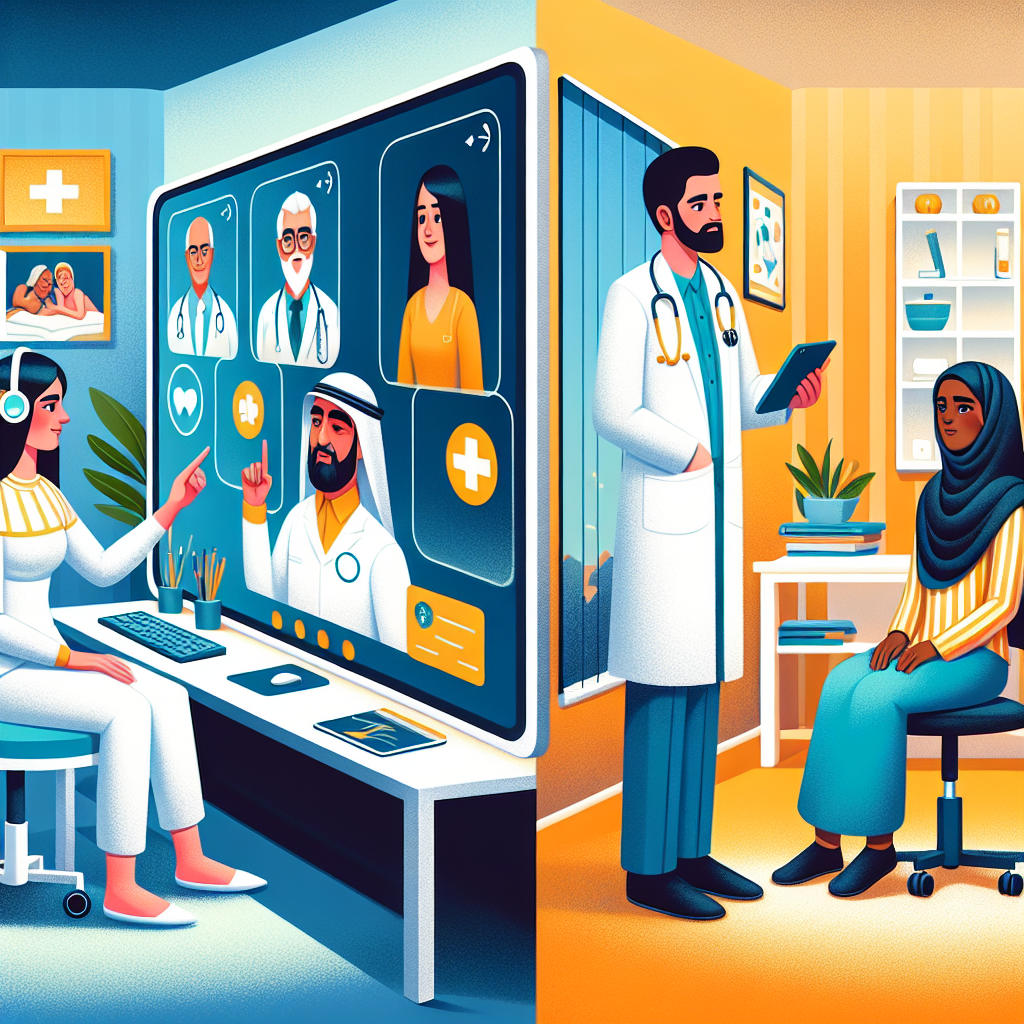
Title: **Why Some Patients Get Different Diagnoses From Telehealth vs. In-Person Visits**
**Introduction**
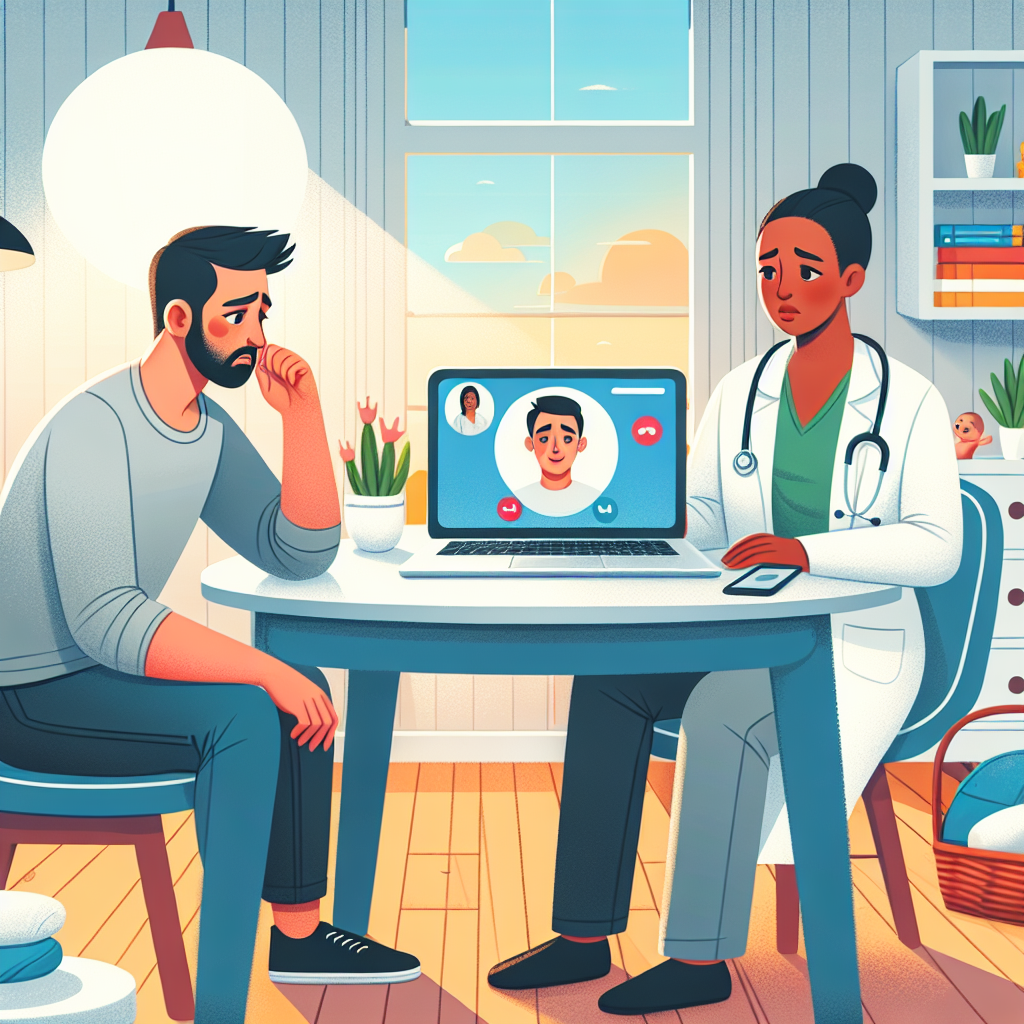
As telehealth continues to reshape the healthcare landscape, patients and providers enjoy unprecedented convenience and accessibility. Despite its many benefits—such as reduced travel time, enhanced safety during infectious outbreaks, and easier scheduling—telehealth can occasionally result in different diagnoses than traditional in-person care. Understanding the factors contributing to these discrepancies is crucial for both patients seeking remote care and clinicians aiming for diagnostic accuracy. According to a study published in JAMA Network Open, about 23% of virtual visits result in different diagnoses compared to in-person visits. This article explores the main reasons why diagnoses may vary between telehealth and face-to-face consultations and outlines strategies to minimize these differences.
### Limitations of the Virtual Physical Exam
One of the most significant challenges in telehealth is the absence of a physical examination. In an office setting, clinicians rely on tactile assessments—palpating an abdomen for tenderness, checking lymph nodes for swelling, or listening to lung sounds with a stethoscope. Video calls cannot fully replicate these sensory inputs. Blurry camera angles, poor lighting, or low bandwidth can obscure visual cues like skin discoloration or asymmetry. Without in-person tools, subtle signs of joint swelling or minor rashes may go unnoticed, leading to diagnostic variations. Dr. Jane Doe, a telehealth expert, emphasizes, “Proper lighting and high-definition cameras are vital for capturing crucial visual information during virtual exams.”
### Reliance on Patient-Reported Data
During telehealth visits, doctors heavily rely on patients’ descriptions of their symptoms. While many patients can communicate clearly, some may struggle to articulate the precise location, intensity, or timing of discomfort. Factors such as memory lapses, downplaying symptoms, or omitting relevant details can all contribute to an incomplete clinical picture. In contrast, in-person clinicians can guide palpation, pinpoint areas of concern, and conduct immediate tests like checking reflexes, ensuring more objective data collection. Clinicians can use structured symptom checklists to ensure comprehensive data collection.
### Variability in Home Environments
The setting in which a patient attends a telehealth appointment can subtly affect the interaction. While a quiet, private home office may encourage openness, distractions—such as children, pets, or poor internet connections—can interrupt information flow. Noise or privacy concerns might prompt a patient to withhold sensitive details. In a clinical setting, a controlled environment allows for better concentration on symptom discussion, reducing miscommunication and oversights. According to a Pew Research Center survey, over 54% of Americans have experienced poor internet connection during video calls, impacting the quality of telehealth sessions.
### Diagnostic Tools and Testing Access
In-person visits facilitate immediate access to diagnostic tools—thermometers, blood pressure cuffs, otoscopes, reflex hammers, and on-site labs for blood draws. For example, if a provider suspects anemia, they can order a fingerstick hemoglobin test or draw blood directly. Suspected ear pain can lead to an immediate otoscopic exam. In telehealth, providers often have to refer patients to external facilities for imaging, labs, or specialized measurements. These additional steps introduce delays, and if a patient faces barriers—such as transportation, cost, or scheduling—they may skip recommended tests, leaving clinicians to refine a diagnosis with less definitive data.
### Cognitive Biases and Heuristics in Telehealth
Clinicians’ thought processes adapt to the care setting. In telehealth, the lack of physical cues may trigger reliance on heuristic shortcuts. A provider might assume a cough with mild fever in a young adult is viral bronchitis, when an in-person exam might reveal subtle signs of pneumonia. Conversely, virtual visits often attract follow-ups for chronic conditions, which can reinforce expectations and narrow differential diagnoses to familiar territory. Dr. John Smith notes, “Virtual care requires an adaptive thinking process to mitigate reliance on heuristics.”
### Patient Selection and Case Complexity
Telehealth is well-suited for follow-up appointments, medication management, mental health consultations, and minor acute complaints. More complex or severe cases typically still necessitate in-person care. This self-selection means that telehealth populations often differ from in-office populations regarding case complexity. For instance, a provider diagnosing diabetes management compliance over video is less likely to encounter the broad disease spectrum seen in a primary-care clinic walk-in, leading to differences in diagnostic patterns and frequency.
### The Role of Remote Monitoring Technologies
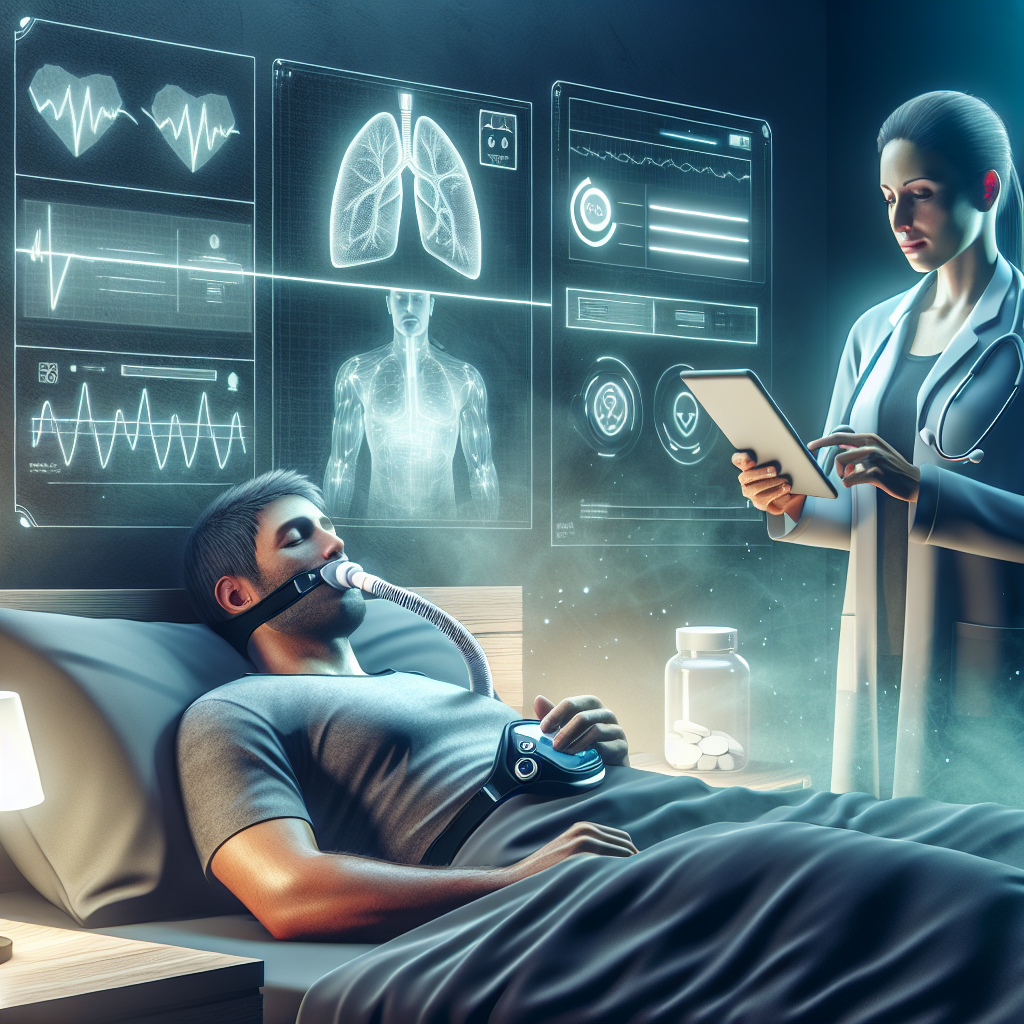
Advances in remote monitoring—such as wearable ECG patches, Bluetooth-enabled blood pressure cuffs, and smartphone-based otoscopes—are helping to narrow the diagnostic gap between telehealth and in-person visits. These devices transmit real-time physiological data, enabling clinicians to confirm vital signs or capture images of the throat or ears. As the integration of these tools becomes more widespread and affordable, some of the traditional limitations of telehealth physical exams will diminish. A study in Health Affairs reports a 30% increase in diagnostic accuracy with the adoption of remote monitoring technologies.
### Strategies to Improve Diagnostic Concordance
To reduce discrepancies and increase confidence in remote diagnoses, both patients and providers can take proactive steps:
– **Pre-visit preparation**: Patients should gather recent vital signs, photographs of rashes or visible symptoms, and a list of current medications.
– **Optimized video setup**: Good lighting, a stable camera angle, and high-speed internet improve visual clarity.
– **Structured symptom checklists**: Using standardized online questionnaires ensures no important detail is overlooked.
– **Hybrid care models**: Combining virtual visits with periodic in-person exams or partnering with local clinics for vital sign checks and point-of-care testing.
– **Ongoing training**: Clinicians can improve virtual examination techniques, such as guided self-palpation or using remote auscultation technologies, to maximize information gathering.
**Conclusion**
Telehealth has opened a new frontier in accessible healthcare, but its very nature—remote and technology-driven—introduces variables that can influence diagnostic decisions. Recognizing the differences in data collection, environment, testing access, and cognitive strategies helps both clinicians and patients set appropriate expectations. By embracing remote monitoring technologies, refining telehealth workflows, and maintaining a hybrid approach when complexity demands it, the healthcare community can move closer to diagnostic consistency across all visit types. Ultimately, blending the best of virtual and in-person care ensures patients receive accurate diagnoses and optimal treatment—wherever they connect.
**References**
– JAMA Network Open
– Pew Research Center
– American Medical Association
– Health Affairs