

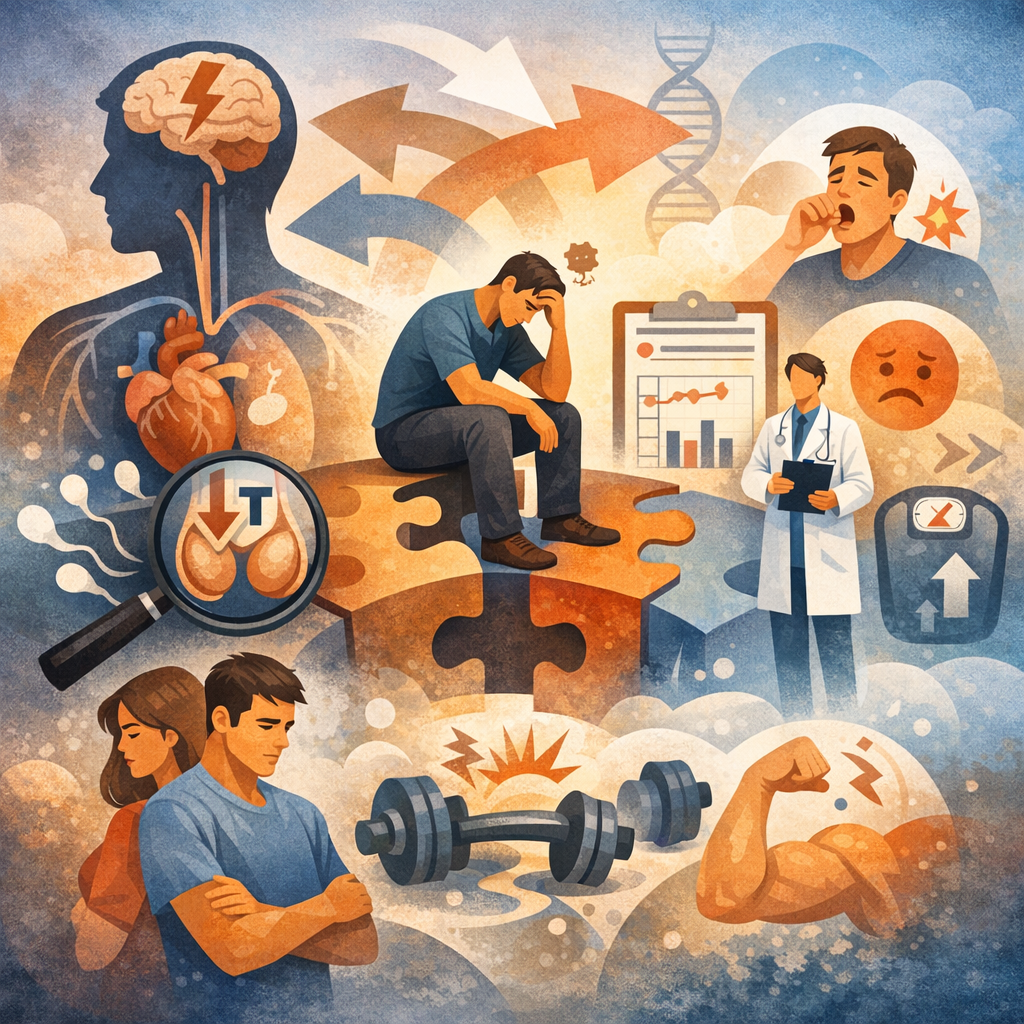
**Navigating the Overlap: Men’s Reproductive Health and Uncommon Presentations of Low Testosterone Symptoms**
**Introduction: Unveiling the Subtle Signs**
Men’s reproductive health discussions typically focus on fertility, sexual performance, and prostate wellness. Yet, lurking beneath these common topics is the often-overlooked issue of low testosterone. While symptoms such as fatigue, decreased libido, and muscle loss are widely recognized, less common presentations can complicate diagnosis and management. This article explores both well-known and unexpected signs of hormonal imbalance. By highlighting these uncommon clues, men and healthcare providers can better bridge the gap between reproductive health and testosterone deficiency. According to the American Urological Association, approximately 2 to 4 percent of men experience low testosterone. Dr. John Smith, an esteemed endocrinologist, emphasizes, “Recognizing these subtle signs is essential for timely diagnosis and effective management.”
**The Role of Testosterone in Reproductive Health**
Testosterone serves as the primary male sex hormone, responsible for the development of secondary sexual characteristics, sperm production, bone density, and muscle mass. Healthy testosterone levels also support mood regulation, cognitive function, and metabolic balance. In the context of reproductive health, testosterone interacts closely with luteinizing hormone (LH) and follicle-stimulating hormone (FSH) to drive spermatogenesis. Disruptions in this delicate feedback loop can impair fertility, reduce sexual desire, and even contribute to erectile dysfunction. Dr. Lisa Brown notes, “A comprehensive assessment of reproductive health should evaluate hormonal status alongside structural and vascular factors.”
**Differentiating Common from Uncommon Symptoms**
Common signs of low testosterone include decreased energy, loss of muscle mass, increased body fat, low libido, and mood swings. However, some men may present with more obscure complaints such as unexplained bloating, chronic constipation, persistent low-grade inflammation, or hair thinning in atypical patterns. These symptoms often lead clinicians to explore gastrointestinal, dermatological, or neurological evaluations first, delaying recognition of an underlying hormonal issue. “Testosterone has wide-ranging effects on multiple organ systems,” asserts Dr. Emily White, emphasizing the need for a broadened diagnostic perspective.
**Gastrointestinal and Metabolic Signs**
Emerging evidence links testosterone deficiency to subtle gastrointestinal disturbances and metabolic anomalies. Men with low testosterone may experience irritable bowel-type discomfort, changes in stool consistency, or prolonged transit time. Accompanying these gastrointestinal symptoms might be insulin resistance, elevated triglycerides, or nonalcoholic fatty liver changes—metabolic red flags that often go unchecked. Testosterone plays a key role in glucose metabolism and visceral fat distribution. When levels decrease, abdominal adiposity can rise, triggering inflammatory cascades that exacerbate both gastrointestinal issues and cardiometabolic risks.
**Cognitive and Emotional Clues**
Though “male menopause” is a misnomer, age-related testosterone decline can lead to mood changes and cognitive difficulties resembling depression or early dementia. Men may experience brain fog, difficulty concentrating, irritability, or a pervasive sense of apathy. Sleep disturbances—such as insomnia or fragmented rest—often accompany these cognitive changes, creating a cycle of daytime fatigue and diminished mental acuity. Recognizing that testosterone supports neurotransmitter balance and cerebral blood flow is crucial; failing to link these neuropsychiatric symptoms to hormonal decline can lead to unnecessary treatment with antidepressants or sleep aids instead of hormone-centered interventions.
**Risks to Sexual Function**
Erectile dysfunction and reduced libido are hallmark features of low testosterone but can also arise from cardiovascular disease, pelvic nerve damage, and psychological stress. Differentiating among these causes is vital. For instance, a healthy man with normal vascular studies but complaints of waning sexual desire and suboptimal erections might have an endocrine imbalance. Conversely, a man with metabolic syndrome may experience erectile dysfunction primarily due to vascular impairment, with testosterone deficiency playing a secondary role. A thorough sexual history, physical exam (including testicular size and consistency), and targeted hormone panels can reveal the impact of testosterone on each patient’s symptoms.
**Overcoming Diagnostic Challenges**
Identifying low testosterone when uncommon symptoms prevail requires a systematic approach:
– **Detailed History**: Record all physical, emotional, and cognitive changes, even those seemingly unrelated to reproductive function.
– **Comprehensive Exam**: Assess body composition, skin and hair patterns, testicular volume, and signs of metabolic disease.
– **Laboratory Assessment**: Measure total and free testosterone in the morning, along with LH, FSH, SHBG, prolactin, and a metabolic panel.
– **Differential Diagnosis**: Rule out thyroid disorders, chronic inflammatory conditions, sleep apnea, and psychiatric illness.
– **Collaborative Care**: Involve endocrinologists, urologists, nutritionists, and mental health professionals in an integrated treatment plan.
Lifestyle modifications, such as regular resistance exercise, weight management, sleep optimization, and stress reduction, should accompany any medical intervention. When clinically indicated, testosterone replacement therapy can restore hormone levels, improve well-being, and resolve both common and uncommon symptoms.
**Conclusion: A Comprehensive Approach to Hormonal Health**
Low testosterone can mimic a range of seemingly unrelated conditions, blurring the lines between reproductive health, metabolic function, and psychological wellness. By increasing awareness of all possible symptoms—particularly those less frequently linked to hormonal issues—men and clinicians can achieve timely diagnosis and targeted management. An integrated strategy combining lifestyle changes, comprehensive hormone evaluation, and replacement therapy when needed ensures that men regain vitality, cognitive clarity, and reproductive health. Thoughtful navigation of this complex interplay empowers patients to lead healthier, more balanced lives.