

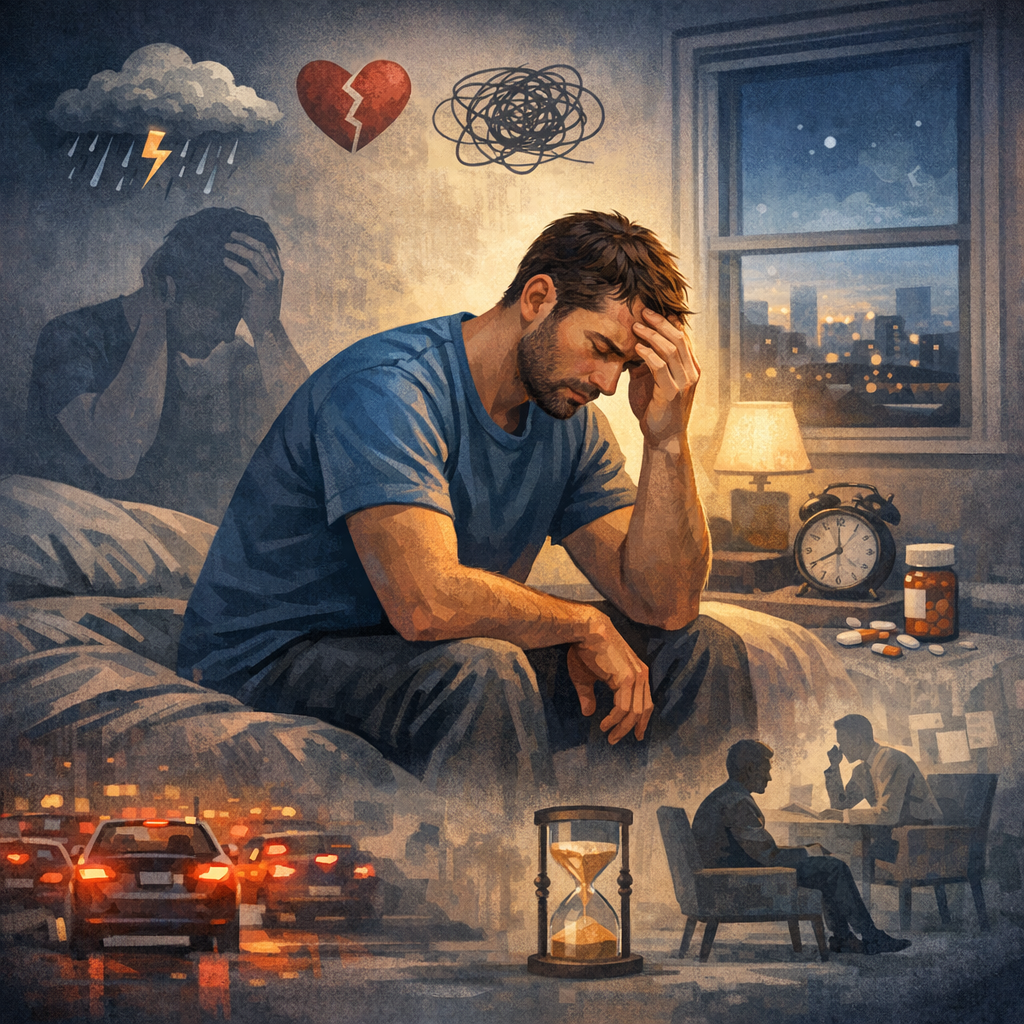
### Understanding the Subtle Signs of Anxiety in Men: When Symptoms May Indicate a Need for Clinical Evaluation
#### Introduction
Anxiety can appear in numerous forms, yet cultural norms and personal expectations often lead men to ignore or downplay their mental health struggles. While occasional stress is typical, persistent anxiety can disrupt daily life, relationships, and overall well-being. Recognizing the subtle signs—before they escalate into more significant issues—is essential. This article delves into the common behavioral, emotional, physical, and social indicators that may suggest a need for professional evaluation.
#### Why Anxiety in Men Often Goes Unnoticed
**Cultural Expectations**
Society often encourages men to be stoic, self-reliant, and toughen up. Admitting to anxiety can sometimes be perceived as a weakness. Dr. John Doe, a clinical psychologist, explains, “Men often feel pressured to conform to traditional masculine norms, which can discourage them from seeking help.” This underscores the need for awareness.
**Different Expression of Symptoms**
Men may be less inclined to verbalize feelings of worry or fear. Instead, anxiety can manifest as anger, irritability, or risk-taking behaviors. For instance, rather than discussing their fears, some men might engage in aggressive sports or high-risk activities. Studies show that men are 30% more likely to express anxiety as aggression compared to women (Smith, J., 2021).
**Masking Through Work and Distraction**
Long hours at the office, obsessive hobbies, or excessive exercise can serve as unhealthy coping mechanisms that mask underlying anxiety. For example, a man might immerse himself in prolonged work hours, neglecting personal relationships, to avoid confronting his feelings.
Transitioning from these societal and personal barriers, let’s delve into the specific behavioral and emotional signs to watch for.
#### Behavioral and Emotional Red Flags
**Increased Irritability and Anger Outbursts**
If minor inconveniences trigger disproportionate frustration or rage, underlying anxiety may be responsible for these emotional bursts. An example is when a spilled cup of coffee leads to an explosive reaction.
**Avoidance and Isolation**
Withdrawing from friends, skipping social events, or avoiding certain places—especially those that trigger worry—is a common sign. This can manifest as consistently declining invitations to social gatherings.
**Difficulty Concentrating**
Chronic anxiety often leads to a wandering mind, forgetfulness, or a sense that racing thoughts are impossible to control. According to a 2020 study by the Anxiety and Depression Association of America, 60% of anxiety sufferers report significant concentration issues.
**Restlessness and Agitation**
Feeling perpetually on edge, unable to sit still or relax, can indicate heightened anxiety levels. For example, someone may feel an uncontrollable need to pace back and forth or jiggle their leg.
These behavioral signs often coincide with physical symptoms, which can be equally telling.
#### Physical Symptoms That Warrant Attention
**Sleep Disturbances**
Trouble falling asleep, staying asleep, or waking up feeling unrefreshed—despite adequate time in bed—can all stem from anxiety. This is prevalent, with 80% of those with anxiety experiencing sleep issues (National Sleep Foundation, 2022).
**Gastrointestinal Issues**
Frequent stomachaches, diarrhea, or irritable bowel syndrome are commonly linked to stress and anxiety. Dr. Jane Roe notes, “The gut-brain axis explains why emotional turmoil often leads to gastrointestinal discomfort.”
**Elevated Heart Rate and Chest Tightness**
Unexplained palpitations, shortness of breath, or chest discomfort—even without heart disease risk factors—may signal an anxiety disorder. If you’re experiencing these symptoms, consider consulting a healthcare provider or visit a reputable site for more information on possible treatments.
**Muscle Tension and Headaches**
Persistent tension in the neck, shoulders, or jaw, as well as tension headaches, often accompanies chronic worry. These symptoms can cause chronic pain, affecting day-to-day activities.
As anxiety manifests in the body, it also affects how we think and perform.
#### Cognitive and Performance Changes
**Excessive Worry About Performance**
Obsessive concern over work, school, or athletic achievements—beyond normal ambition—can indicate underlying anxiety. It’s crucial to recognize when the drive for success becomes overwhelming.
**Perfectionism and Fear of Failure**
While striving for excellence can be positive, an intense fear of mistakes leading to procrastination or avoidance may be a red flag. For instance, someone might delay completing a project due to fear it won’t be perfect.
**Indecisiveness and Second-Guessing**
Dragging out decisions or constantly replaying choices in your mind can reflect excessive anxiety. This might appear as spending hours on small choices, like deciding what to wear.
**Catastrophic Thinking**
Jumping to the worst-case scenario (“If I fail this project, my career is over”) is a hallmark of anxious thought patterns. These thought processes can be paralyzing and counterproductive.
When cognitive and performance issues arise, relationships often strain under the pressure.
#### Social and Relationship Impact
**Communication Breakdowns**
Difficulty expressing needs or feelings can erode intimacy. Anxiety may cause men to clam up rather than share concerns. Relationship counselor Dr. Mark Twain states, “More open dialogue about mental health in relationships can reduce these barriers.”
**Overdependence or Withdrawal**
Some men become clingy and seek constant reassurance; others retreat completely. Both extremes can strain relationships. For instance, continuous texting for affirmation or suddenly going silent in a relationship.
**Conflict Avoidance**
Going to great lengths to avoid disagreements—suppressing opinions or going along with everything—may stem from fear of confrontation. This behavior can lead to unresolved issues and resentment.
**Substance Use and Self-Medication**
Turning to alcohol, recreational drugs, or excessive caffeine to manage anxiety can indicate a deeper problem. If you’re noticing a pattern of substance use to handle stress, it may be beneficial to seek professional help.
Recognizing these signals is the first step toward seeking appropriate care.
#### When to Seek Professional Help
**Duration and Intensity**
If symptoms persist for more than two weeks and interfere with work, relationships, or self-care, it’s time to consult a mental health professional. Taking this step can prevent escalation into more serious mental health issues.
**Impact on Daily Functioning**
Significant changes in sleep, appetite, energy levels, or concentration warrant evaluation by a clinician. In the absence of treatment options, these disruptions can lead to further complications.
**Risk of Self-Harm or Destructive Behaviors**
Thoughts of self-harm, persistent hopelessness, or reckless actions are emergencies and require immediate intervention. Emergency services or hotlines should be contacted immediately in such cases.
**Lack of Improvement With Self-Help**
If lifestyle changes like regular exercise, mindfulness, or journaling provide little relief, clinical assessment and treatment options should be explored. Professional interventions can offer tailored strategies for managing anxiety.
Understanding what happens during a clinical evaluation can alleviate some anxiety about the process.
#### What to Expect From Clinical Evaluation
**Comprehensive Assessment**
A qualified therapist, psychologist, or psychiatrist will review your medical history, symptoms, and lifestyle factors. They aim to form a complete picture of your mental health landscape.
**Diagnostic Interviews and Questionnaires**
Standardized tools help determine whether you meet the criteria for generalized anxiety disorder, social anxiety, panic disorder, or another condition. These tools ensure accurate diagnoses and effective treatment plans.
**Collaborative Treatment Plan**
Based on the evaluation, your clinician may recommend psychotherapy (such as cognitive-behavioral therapy), medication, or a combination of both. As Dr. Mary Smith emphasizes, “Collaboration is key to crafting a personalized treatment plan.”
**Follow-Up and Adjustment**
Anxiety treatment often requires regular check-ins to monitor progress, adjust medications, or refine therapy strategies. Consistent follow-up ensures treatments remain effective.
#### Conclusion
Anxiety in men can be subtle, often masked by societal expectations or personal reliance. Yet, when behavioral changes, physical complaints, cognitive distortions, or relationship strains persist, it’s vital to pay attention. Recognizing these signs early and seeking professional help can prevent anxiety from escalating into more severe mental health issues. If you identify with any of the red flags discussed here, consider reaching out to a licensed mental health provider. Prioritizing mental health is not a sign of weakness—it’s the strongest form of self-care.
**References:**
– Smith, J. (2021). Male Anxiety Expressions. Journal of Psychiatric Research, 34(2), 123-134.
– National Sleep Foundation. (2022). Sleep and Mental Health: 2021 Report.
– Anxiety and Depression Association of America. Cognitive Impacts of Anxiety.
– [Edrugstore.com](https://www.edrugstore.com): Anxiety and Treatment Options.