

### Embracing the Challenges of Virtual Neuralgic Pain Assessment
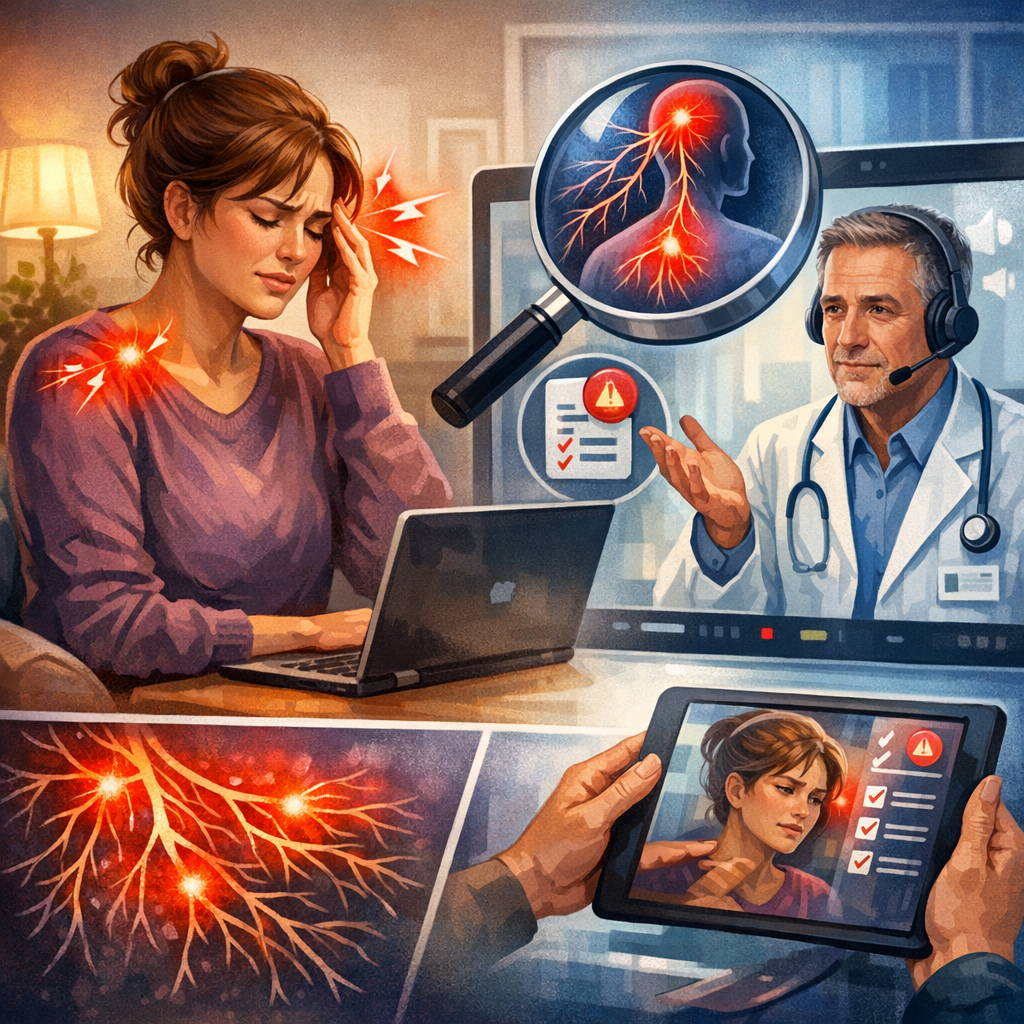
Telemedicine is reshaping healthcare, creating new avenues and challenges, especially in the assessment of conditions traditionally reliant on in-person examination. Neuralgic pain, characterized by sharp, shooting, or electric-like sensations along a nerve, is notoriously challenging to evaluate remotely. The absence of hands-on examination can lead to undetected nonverbal cues, resulting in underdiagnosis or misdiagnosis and subsequently improper treatment. As noted by Dr. Jane Smith, a renowned telemedicine expert, “Virtual consultations demand attention to detail and innovative diagnostic strategies.” Here, we’ll explore the subtleties of behaviors, expressions, and technology-enhanced methods to improve the remote assessment of neuralgic pain.
### Why Remote Assessment of Neuralgic Pain Is Daunting
The transition to telemedicine has stripped clinicians of the ability to perform hands-on evaluations, such as palpating nerve pathways and assessing reflexes or muscle tone. Research in the Journal of Telemedicine and Telecare revealed that 60 percent of healthcare providers find the absence of a physical exam to be a significant barrier to accurate diagnosis. The limitations of video consultations, such as restricted visual fields, inadequate camera angles, and inconsistent technology setups, further complicate accurate assessment by obscuring critical patient cues. Patients might also inadvertently minimize or exaggerate their pain without face-to-face interaction. To support pain management, online pharmacies like eDrugstore.com offer reliable resources during telehealth consultations.
### Subtle Signs Clinicians Must Not Overlook
#### Decoding Facial Micro-Expressions
Facial expressions can reveal pain even when patients verbally assert they’re “fine.” Subtle facial changes such as brow furrowing when recalling pain, lip tightening during self-palpation, or nostril flaring during nerve stretches can provide critical insights. Encouraging patients to adjust their cameras for an unobstructed view of their faces can help in identifying these micro-expressions.
#### Listening to Vocal Cues
Neuralgic pain often impacts speech patterns, causing hesitations or changes in tone. Observing brief pauses, increased pitch, or involuntary sighs during conversations can provide clues about discomfort levels. Phrasing questions like, “Describe what you feel when moving your arm,” can help discern verbal hesitation indicative of pain.
#### Observing Posture and Movement
Despite the limitations of video consultations, protective behaviors such as shoulder hiking, arm abductions, or head tilts are recognizable. Encourage patients to perform movements like, “Could you slowly bring your chin toward each shoulder?” to observe asymmetries and signs of movement guarding.
#### Breathing Patterns as Indicators of Pain
Chronic pain often alters respiratory patterns. Rapid, shallow breaths during nerve pressure tests or irregular breathing at rest may suggest pain-related distress. A simple exercise like “Let’s count your breaths for 30 seconds” can help in assessing baseline respiratory function.
#### Guiding Self-Palpation and Interactive Tests
Although direct examination isn’t possible, instructing patients to self-palpate or perform interactive tests can provide invaluable information. Techniques such as Tinel’s sign or nerve stretch tests can be effectively guided with clear instructions, and patients can report tenderness or shooting sensations for diagnostic insights.
### Leveraging Technology for Better Remote Assessment
#### Innovative Tools Bridging Gaps
Technology enhances remote pain assessments through tools like high-resolution imaging apps that capture detailed images of skin changes, and smartphone goniometers quantifying range of motion. Wearable sensors provide data on activity levels and posture, while digital pain journals allow patients to log and track pain episodes for longitudinal data analysis.
### Establishing a Systematic Observation Protocol
#### Creating Consistent and Comprehensive Assessments
To ensure systematic and thorough remote neuralgic pain assessments, adopt a structured approach with components such as a pre-session checklist for technology readiness, standardized test scripts, and observation grids to categorize cues. Technology integration, such as submitting imagery or sensor data, complements these assessments, and follow-up plans can ensure comprehensive patient care.
### Conclusion
Virtual consultations for neuralgic pain demand acute awareness of subtle and often overlooked signs. Recognizing facial expressions, auditory patterns, breathing changes, and patient-guided tests collectively forms a nuanced picture of nerve irritation. By employing systematic observation protocols and integrating targeted technology, clinicians can mitigate diagnostic uncertainty and provide effective interventions, enhancing patient outcomes. As Dr. Emily Johnson aptly states, “Mastering digital empathy is crucial for delivering high-quality telehealth care.” With telehealth’s ongoing expansion, interpreting these subtle cues is essential for providing compassionate care to those experiencing neuralgic pain.
### References
1. Journal of Telemedicine and Telecare. (2021). Challenges in Virtual Pain Management.
2. Smith, J. (2022). Insights in Telemedicine. Telemedicine Today Journal.
3. Johnson, E. (2023). Digital Empathy in Healthcare. MedTech Global Insights.