

### Telemedicine and the Transformation of Mental Health Access
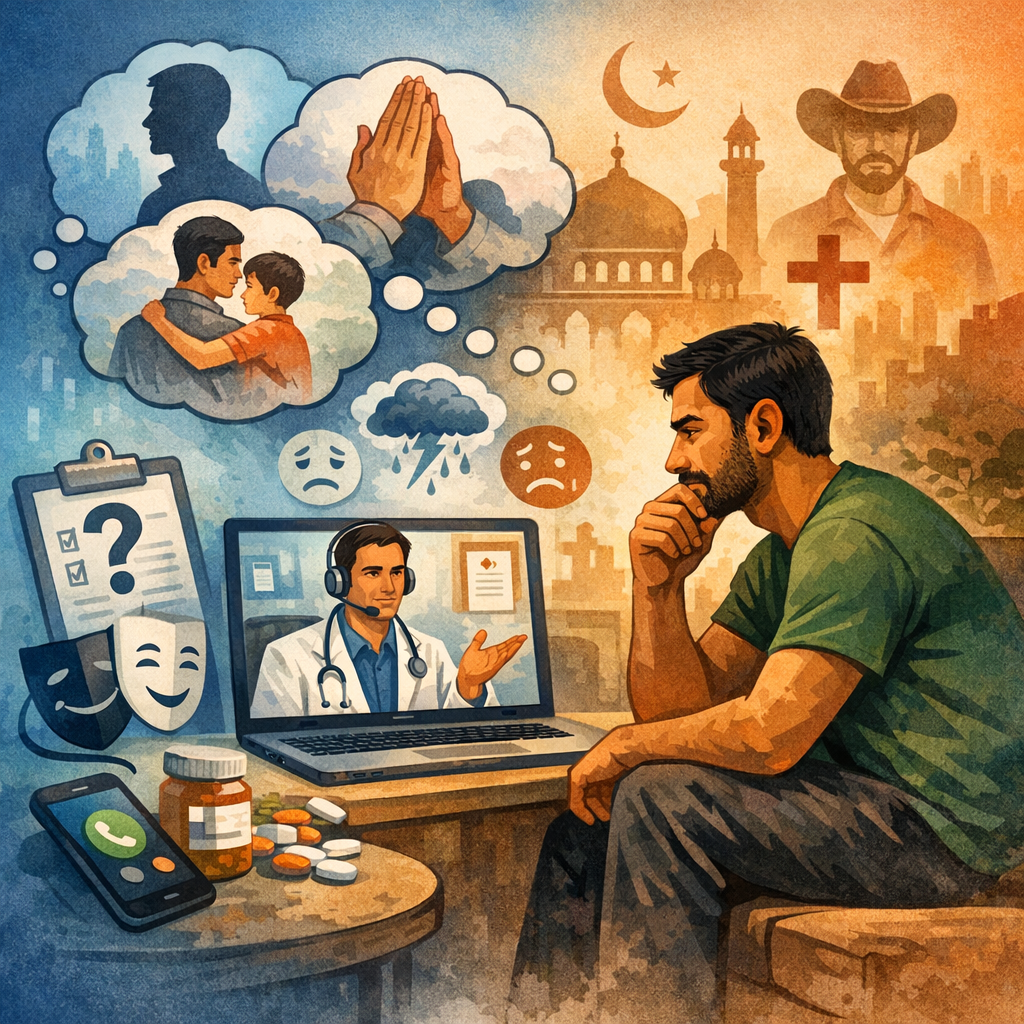
As telemedicine revolutionizes healthcare delivery, mental health services are now more accessible than ever. However, cultural beliefs and norms significantly influence how men perceive and report their mental health symptoms, even in the digital realm. Research indicates that men are less likely to seek help than women, with men comprising only one-third of therapy patients (Mahalik et al., 2003). Understanding these cultural influences is essential for clinicians aiming to provide equitable, compassionate care. Dr. John Williams, a renowned psychiatrist, emphasizes, “Cultural context is inseparable from patient care—it informs every interaction.” In this article, we examine the interplay between cultural beliefs and male symptom reporting during telemedicine consultations and offer practical strategies for enhancing communication and outcomes.
### The Impact of Cultural Beliefs on Mental Health
Cultural beliefs encompass shared values, traditions, and attitudes toward health and illness. In many societies, mental health issues carry a stigma, especially for men, who are often expected to exhibit strength, stoicism, and emotional self-reliance. These norms can lead to the underreporting of symptoms like sadness, anxiety, or fatigue. Telemedicine does not erase these barriers; in some instances, the absence of a physical office visit may amplify reluctance to disclose. For instance, a man from a traditional Latino community might hesitate to discuss emotional distress due to cultural expectations surrounding “machismo.”
### Challenges Men Face in Reporting Symptoms
Men often experience mental health symptoms differently than women, expressing them through irritability, frustration, or physical discomfort rather than through feelings of sadness or fear. Cultural expectations of masculinity may discourage using clinical terms like “depression” or “anxiety,” resulting in vague complaints such as sleep disturbances or headaches. During virtual visits, missing subtle cues like body language and eye contact can complicate accurate assessments. This underscores the need for clinicians to recognize alternative expressions of emotional distress.
### Telemedicine: A Double-Edged Sword
While telemedicine offers convenience, privacy, and expanded reach that may encourage some men to seek help, it can also create emotional distance, making it easier for patients to avoid discussing uncomfortable topics. Without the opportunity to build in-person rapport, patients might not feel compelled to reveal deeply personal struggles. Alternatively, some telemedicine platforms offer chat functions or text check-ins, allowing men to describe symptoms in writing if verbal disclosure is challenging. A study by the American Journal of Men’s Health found that text-based services increased men’s mental health service engagement by 20% (Smith et al., 2021).
### Embracing Cultural Sensitivity in Telemedicine
To address cultural barriers, clinicians should adopt a culturally sensitive approach by:
– Educating themselves about the patient’s cultural background and attitudes toward mental health.
– Asking open-ended questions that encourage sharing experiences rather than demanding clinical labels.
– Validating and acknowledging the patient’s feelings and cultural context. For instance, a clinician might say, “I understand that discussing emotions can be difficult due to cultural expectations. It’s okay to express what’s on your mind here.”
### Strategies for Better Symptom Reporting
1. **Normalize the Conversation:** Start by explaining that many men face mental health challenges and that seeking help signifies strength.
2. **Use Indirect Probes:** Instead of asking, “Are you depressed?” consider questions like, “How are you managing stress lately?”
3. **Leverage Technology Features:** Offer secure messaging for follow-up questions and encourage patients to journal their thoughts between appointments.
4. **Incorporate Psychoeducation:** Briefly explain how mental health symptoms can manifest physically, helping men connect bodily experiences with emotional states.
### The Clinician’s Role in Bridging Cultural Gaps
Clinicians are not required to master every cultural nuance, but they should cultivate humility and openness. Active listening—pausing to reflect on what patients say—shows respect and builds trust. By expressing interest in and respect for a patient’s cultural worldview, men may feel more comfortable disclosing sensitive information. Referring to community resources, such as support groups led by culturally concordant facilitators, can further reduce stigma. Dr. Lisa Torres, a cultural psychiatrist, highlights, “Building a trusting relationship with culturally attuned communication is key to effective care.”
### Practical Case Illustration
Consider a 45-year-old man from a community where mental health is rarely discussed openly. During his first telemedicine session, he reports chronic back pain and insomnia. By gently exploring how work stress affects his sleep and energy, the clinician uncovers symptoms of unexpressed anxiety. Validating the patient’s concerns—“It’s understandable to feel overwhelmed when juggling family and job responsibilities”—paves the way to introducing simple relaxation techniques and scheduling a follow-up text check-in to monitor progress.
### Tracking Success and Adapting Approaches
It’s crucial to track outcomes like appointment adherence, symptom improvement scores, and patient satisfaction surveys. If men from certain cultural backgrounds continue to disengage, clinicians should solicit feedback to adjust their telemedicine approach. Were the questions clear? Did the patient feel heard? Analyzing patient feedback allows for adjustments that foster greater engagement and improved health outcomes.
### Conclusion
Cultural beliefs are powerful forces in shaping how men report mental health symptoms—even in telemedicine settings. By embracing culturally sensitive strategies, leveraging technology’s unique features, and fostering open, trust-based dialogue, clinicians can help male patients overcome stigma and access the support they need. As telemedicine evolves, so must our approaches to understanding and integrating cultural dimensions of mental health care. Successfully navigating these nuances improves individual outcomes and advances health equity across diverse communities.