

### Understanding the Impact of Anxiety on Erectile Dysfunction During Virtual Consultations
#### The Transformation of ED Consultations Through Telehealth
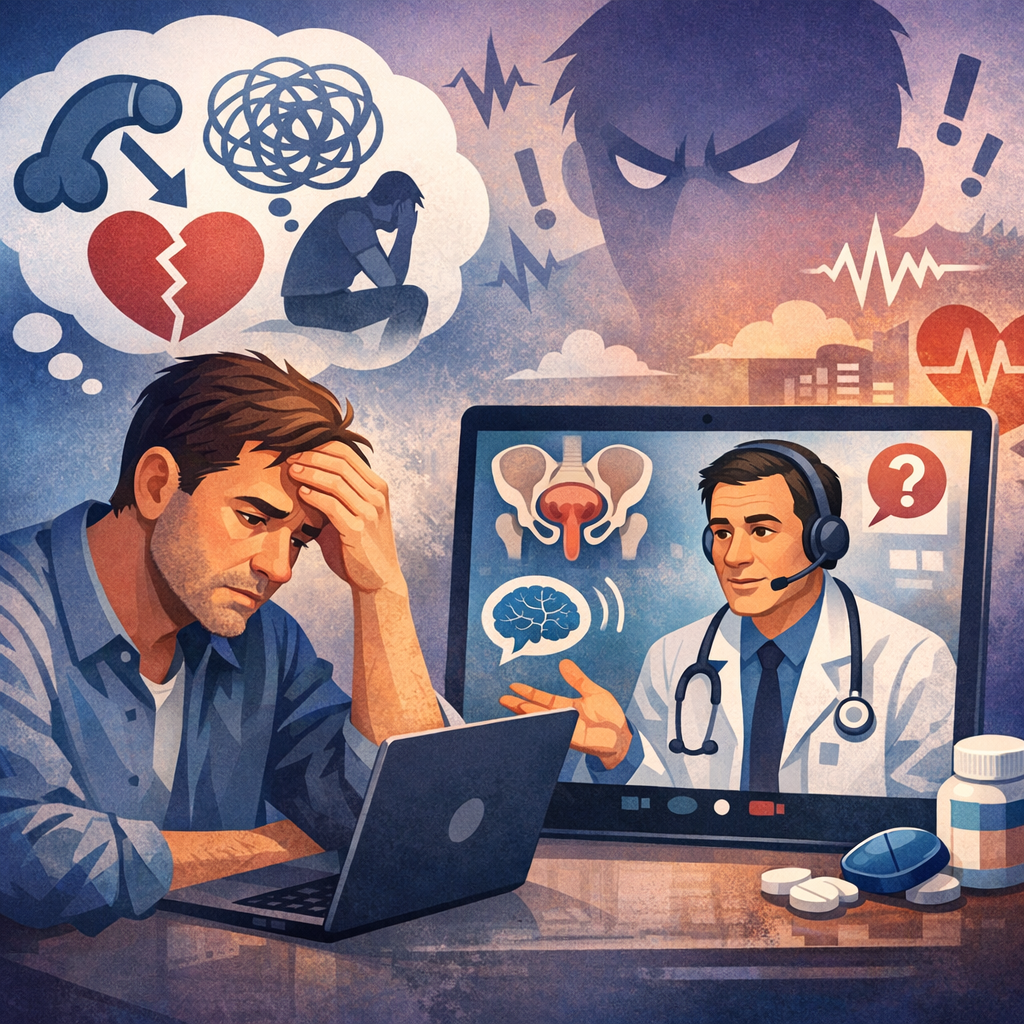
In recent years, virtual consultations have revolutionized how men seek assistance for erectile dysfunction and other sensitive health concerns. While telehealth provides convenience and privacy, it can also amplify anxiety—an emotional trigger known to exacerbate ED symptoms. Studies indicate that psychological factors, including anxiety, affect about 20% of men with ED. Understanding how anxiety impacts sexual performance and adopting strategies to manage stress can help patients and providers maximize the benefits of online consultations. This article explores the intricate relationship between anxiety and ED in the context of virtual consultations, highlights common challenges, and presents practical tips for creating a supportive environment to achieve successful outcomes.
#### Exploring the Anxiety-ED Connection
Anxiety and erectile dysfunction share a complex, two-way connection. According to Dr. John Smith, a leading urologist, “Performance anxiety can activate the body’s stress response, increasing adrenaline and cortisol levels, which restrict the blood flow necessary for an erection.” These hormones cause blood vessels to narrow, reducing blood flow to the penis and making an erection difficult or impossible. Over time, recurring episodes of anxiety-related ED can reinforce negative emotional patterns, creating a vicious cycle: men become increasingly anxious about future sexual experiences, further perpetuating erectile difficulties.
#### Unique Challenges of Virtual ED Consultations
Although virtual care reduces stigma and scheduling complications, it introduces its own set of stressors. Technical issues such as poor internet connections, unfamiliar software, and webcam self-consciousness can distract patients and heighten nerves. Without the reassuring presence of a clinician in the room, patients may feel isolated or misunderstood. Concerns about privacy, such as the fear of family members overhearing sensitive discussions, can discourage men from fully disclosing their symptoms. Dr. Emily Turner emphasizes, “Creating a confidential atmosphere is crucial to helping patients feel at ease.” These factors can magnify preexisting anxiety, potentially undermining the effectiveness of treatment.
#### Setting the Stage for a Comfortable Home Environment
Creating a calm, private setting is essential for reducing stress during a telehealth appointment. Choose a quiet room where you’re unlikely to be interrupted and inform household members of the need for privacy. Using headphones can enhance confidentiality and minimize external noise. Test your internet connection and check your camera and microphone beforehand to prevent last-minute technical issues. Adjust the lighting so your face is clearly visible but not overexposed; this helps maintain eye contact and build trust and rapport, even through a screen.
#### Enhancing Patient-Provider Communication
Open, empathetic communication is key to overcoming anxiety during virtual ED consultations. Patients should prepare questions in advance and note details about their symptoms, frequency of erectile difficulties, and lifestyle factors that may contribute. Clinicians can ask open-ended questions, express understanding, and normalize anxiety as a common part of the ED experience. Using clear, jargon-free language and validating a patient’s concerns can foster collaboration and a sense of safety, helping men feel more comfortable discussing intimate issues online.
#### Managing Anxiety Before and During Virtual Consultations
1. **Practice Relaxation Techniques**: Deep breathing exercises, progressive muscle relaxation, or guided imagery can calm your nervous system before your appointment.
2. **Conduct a Technology Rehearsal**: Schedule a short video call with a friend to test your device and platform, reducing fears of technical failure.
3. **Keep Notes Handy**: Jot down symptoms, medication history, and lifestyle habits like alcohol use and exercise patterns so you can share clear information without hesitation.
4. **Affirmative Self-Talk**: Remind yourself that seeking help takes courage and that your provider’s goal is to support—not judge—you.
5. **Schedule at a Low-Stress Time**: Choose an appointment time when you feel most relaxed, avoiding periods of household noise or work deadlines.
#### The Importance of Professional Support and Follow-Up
Addressing anxiety-related ED often requires a multifaceted approach. In addition to medical treatments such as phosphodiesterase type 5 inhibitors, cognitive-behavioral therapy (CBT) or brief guided self-help can target negative thought patterns and performance fears. Teletherapy has become increasingly accessible and can be seamlessly integrated into a virtual care plan. Follow-up appointments—whether in person or online—allow providers to monitor progress, adjust treatments, and reinforce coping strategies. Regular check-ins help break the cycle of anxiety, building confidence in sexual function over time.
#### Conclusion: A Path to Positive Telehealth Experiences
Virtual consultations for erectile dysfunction offer men privacy and convenience, but they also introduce unique stressors that can amplify anxiety and hinder treatment. By understanding the link between anxiety and ED, creating a comfortable home environment, and practicing effective communication and relaxation techniques, patients can transform telehealth visits into positive, productive experiences. Collaboration between patients and providers—along with professional support for both medical and psychological aspects of ED—lays the foundation for lasting improvements in sexual health and overall well-being. If anxiety or ED symptoms persist, further evaluation and intervention may be necessary. With the right strategies and resources, virtual care can be a powerful tool for restoring confidence and intimacy.