

—
### The Shift to Virtual Healthcare
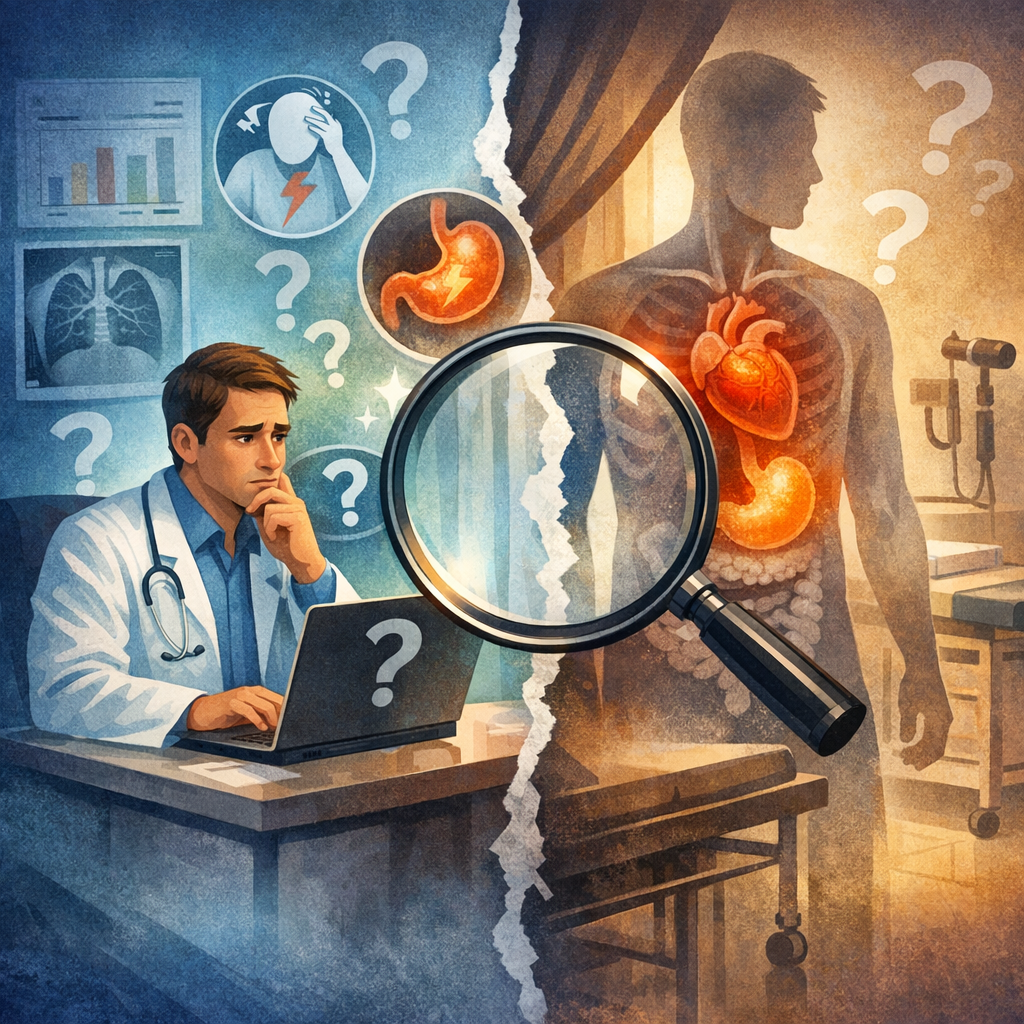
In recent years, virtual care has significantly transformed the healthcare landscape. Innovations such as video visits, phone consultations, and online symptom checkers have provided unprecedented access and convenience for patients worldwide. While these advancements bring many benefits, some symptoms remain challenging to assess without a hands-on physical examination. This article explores the continued importance of physical exams in accurate diagnosis, highlights symptoms that are difficult to evaluate remotely, and offers insights on how patients and providers can bridge these gaps effectively.
### The Essential Role of Physical Examinations
A physical examination allows clinicians to directly observe, palpate, percuss, and auscultate a patient’s body. These techniques reveal crucial objective information, such as tenderness, swelling, heart murmurs, or abnormal lung sounds, which are challenging to capture through digital means. Dr. Jane Smith, a leading internist, states, “In-person exams help establish rapport and enable doctors to pick up on subtle nonverbal cues like facial grimacing and changes in gait.” Key components of a physical exam include:
1. **Observation**: Noticing posture, movement, skin appearance, and facial expressions.
2. **Palpation**: Feeling for lumps, tenderness, temperature changes, or organ enlargement.
3. **Percussion**: Tapping on body areas to assess underlying structures.
4. **Auscultation**: Listening with a stethoscope for heart, lung, and bowel sounds.
Without these comprehensive tools, healthcare providers primarily rely on patient-reported symptoms, which can sometimes be vague, incomplete, or influenced by variations in individual pain thresholds and health literacy.
### Symptoms Difficult to Assess Remotely
**Abdominal Pain**
Abdominal discomfort can have numerous causes, such as appendicitis, kidney stones, or gynecological issues. In an office setting, a physician can press various quadrants of the abdomen to assess for rebound tenderness, rigidity, or organ enlargement. Remote consultations lack this vital tactile feedback, making it challenging to differentiate between mild gastrointestinal upset and potential emergencies.
**Heart and Lung Abnormalities**
Symptoms such as chest pain, palpitations, and shortness of breath often require physical assessment. Listening for heart rhythms or identifying crackles in the lungs is crucial for diagnosing conditions like heart failure or pneumonia. While some telemedicine platforms offer digital stethoscopes for home use, these devices are not widely available and require technical proficiency.
**Joint and Musculoskeletal Complaints**
Back pain, joint swelling, stiffness, and range-of-motion limitations are best evaluated through direct manipulation of the affected area. Clinicians can guide patients through specific movements, palpate for warmth or fluid accumulation, and perform neurological tests to check reflexes and sensation. While video calls might allow for some movement assessment, they cannot replicate the nuanced feedback from a hands-on exam.
**Skin Lesions and Rashes**
High-resolution photos or videos can help dermatologists evaluate many skin conditions remotely. However, certain lesions require palpation to determine texture, consistency, and tenderness. Additionally, a full-body skin exam in proper lighting may uncover suspicious spots patients might overlook.
### Limitations of Remote Assessments
Despite detailed history-taking, clinicians face inherent limitations when evaluating some symptoms remotely:
– **Vital Sign Accuracy**: While patients can report temperature or blood pressure, variations in home devices and user errors may lead to inaccurate readings.
– **Incomplete Physical Data**: Subtle findings like mild hepatomegaly, small lymph node enlargement, or early pitting edema might go unnoticed without direct examination.
– **Risk of Misinterpretation**: Descriptions such as “sharp pain” or “feeling off-balance” are subjective. Without correlating these statements with exam findings, there is a higher risk of misdiagnosis or delayed diagnosis.
– **Technical Barriers**: Poor internet connectivity, low-quality cameras, and limited lighting make visual assessments less reliable.
### Optimizing Remote Consultations
To improve remote consultations when a physical exam isn’t feasible, consider these best practices:
**For Patients**:
1. **Prepare a Symptom Diary**: Note when symptoms start, what exacerbates or alleviates them, and any related factors (e.g., food, activity).
2. **Use Household Tools**: Have a reliable thermometer, blood pressure cuff, and flashlight ready. Practice taking vital signs ahead of the visit.
3. **Optimize Your Setting**: Choose a well-lit room with a neutral background, position your camera at eye level, and wear clothing allowing you to show the affected area if necessary.
4. **Be Specific**: Describe sensations in detail—location, intensity on a scale of 1 to 10, radiation, and associated symptoms (e.g., nausea, dizziness, fever).
**For Providers**:
1. **Structured Questionnaires**: Use standardized symptom checklists to ensure key red-flag questions are addressed.
2. **Guided Self-Exams**: Walk patients through simple palpation or movement tests, observing their technique and responses in real-time.
3. **Hybrid Models**: When possible, combine remote care with in-person follow-up—especially for high-risk or complex cases.
4. **Clear Triage Protocols**: Establish guidelines for when remote evaluations should trigger immediate in-office assessment or emergency referral.
### Bridging the Gap in Healthcare
Telemedicine and virtual care provide remarkable convenience and accessibility but cannot fully replace the hands-on insights of a physical exam. Certain symptoms, particularly those involving the abdomen, heart, lungs, joints, and skin, are challenging to evaluate accurately without direct contact. By understanding these limitations and adopting targeted strategies, both patients and providers can work together to ensure safe, effective care. Ultimately, according to the Journal of Telemedicine and Telecare, the future of medicine lies in seamlessly integrating in-person examinations with digital innovations, harnessing the strengths of each approach to deliver optimal patient outcomes.
For further insights into medication management and patient resources, consider visiting edrugstore.com.
—