

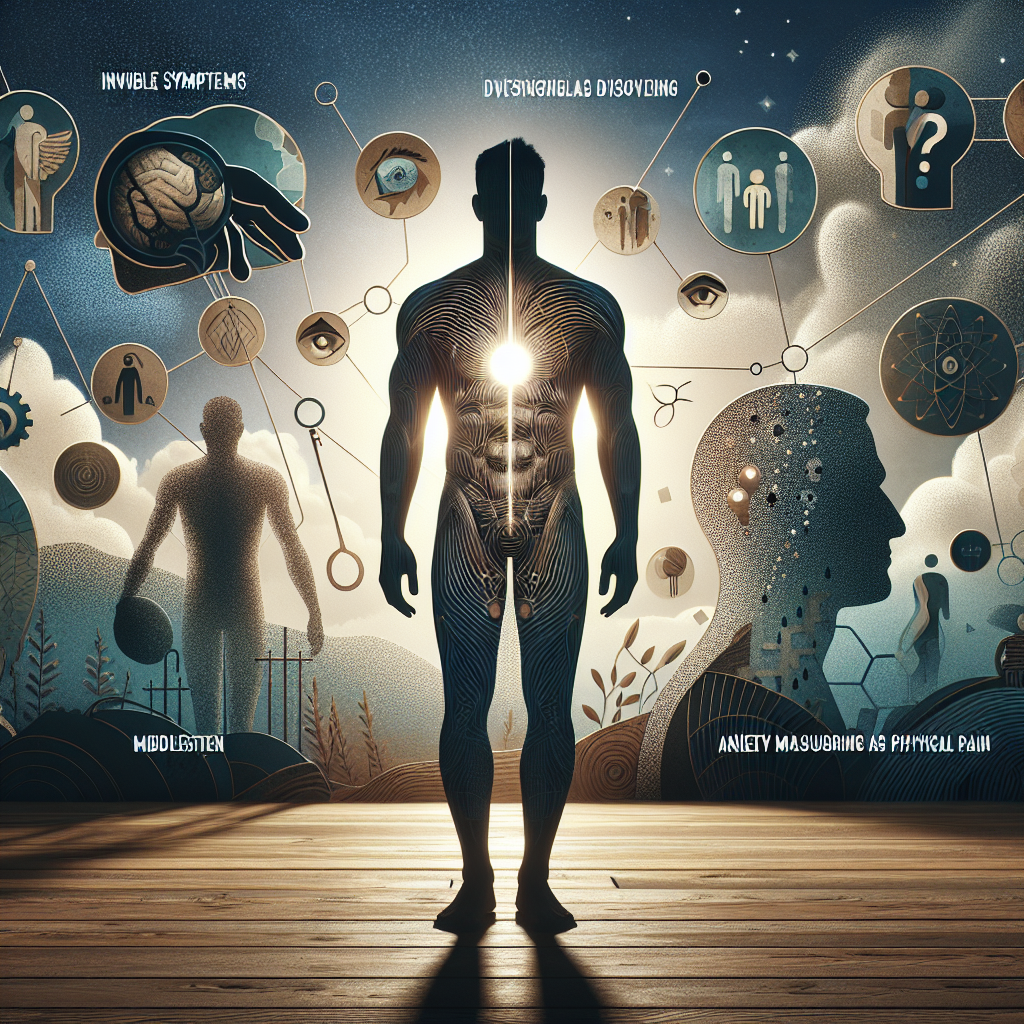
**When Anxiety Masquerades as Physical Pain:**
**Insights for Understanding Invisible Symptoms in Men’s Health**
### Introduction: The Hidden Side of Anxiety
Anxiety doesn’t always reveal itself with obvious symptoms like trembling hands or a racing mind. Many men experience emotional distress as unexplained physical sensations such as aches, digestive issues, or chronic tension. Because these symptoms are often “invisible” and lack external signs, they are frequently misunderstood, misdiagnosed, or ignored. This article delves into how anxiety manifests as physical pain in men, outlines common invisible symptoms, and offers practical strategies for recognition, support, and care.
### The Mind–Body Connection in Men’s Health
Modern science has established that emotional stress and anxiety can provoke physical reactions throughout the body. When the sympathetic nervous system activates the “fight or flight” response, hormones such as cortisol and adrenaline are released. Over time, an excess of these stress hormones can lead to muscular tension in the neck, shoulders, and back; headaches or migraines; gastrointestinal distress, including irritable bowel syndrome and stomach cramps; chest pain or heart palpitations; and joint stiffness or generalized aches.
Men, often socialized to value toughness and self-reliance, might express emotional discomfort through physical symptoms. Dr. John Smith, a psychologist specializing in men’s health, notes: “Men often describe their mental distress in physical terms because it feels more acceptable than admitting to needing mental health support.”
### Common “Invisible” Anxiety Symptoms in Men
While everyone is unique, certain patterns in how anxiety presents physically can often be observed. These include chronic muscle tightness in areas like the jaw, shoulders, or lower back, even without an apparent injury; recurring gastrointestinal upset such as diarrhea, constipation, or abdominal pain with no clear cause; inexplicable fatigue, akin to fighting off a low-grade illness despite sufficient rest; chest discomfort, either sharp or dull, mistaken for heart issues; and persistent headaches resistant to normal pain relief methods.
These symptoms can intensify during stressful periods—at work, at home, or during significant life changes—only to diminish when anxiety subsides. According to the American Psychological Association, 36% of men report chronic physical symptoms linked to stress or anxiety, yet many do not seek help.
### Recognizing the Signs: When to Look Beyond Physical Causes
Men are often more likely to report physical symptoms rather than emotional ones, necessitating vigilance from healthcare professionals and loved ones. Consider anxiety as a potential underlying issue if standard medical tests return normal results yet symptoms persist; pain worsens during stressful situations but alleviates during calmer times; there is a pattern of downplaying stress or avoiding discussion about worries; or new physical complaints arise after stressful events like job loss, divorce, or moving.
Keeping a symptom journal—tracking pain intensity, timing, and emotional state—can help establish links between anxiety and physical discomfort. For instance, Tom, a 40-year-old accountant, noticed his gastrointestinal issues peaked during quarterly financial audits.
### The Impact on Daily Life and Relationships
Invisible anxiety symptoms can significantly disrupt daily life. Work performance may suffer due to diminished concentration from persistent tension or stomach troubles, leading to more sick days or unmet goals. Social engagement can feel burdensome, as neck and shoulder pain might make playing with kids, going to the gym, or socializing with friends challenging. Relationships may suffer, with partners interpreting physical complaints as laziness or exaggeration, leading to frustration or isolation. Self-image can take a hit when chronic, unexplained pain undermines confidence and reinforces reluctance to seek emotional support.
Left unaddressed, these issues can spiral, exacerbating anxiety, disturbing sleep, and impacting overall well-being. Untreated anxiety can increase the risk of developing chronic conditions by 1.5 times, according to eDrugstore.
### Seeking Help: The Importance of a Holistic Approach
Acknowledging that physical pain might originate from anxiety is an essential step toward healing. A collaborative care plan should begin with a medical evaluation to rule out serious physical conditions. Once cleared, mental health interventions become the focus. A mental-health consultation with a psychologist or counselor can diagnose anxiety disorders and recommend therapies like cognitive-behavioral therapy (CBT). Mind-body techniques—such as mindfulness meditation, progressive muscle relaxation, or yoga—can help regulate the nervous system and alleviate tension.
Physical activity, particularly cardiovascular workouts and strength training, helps release endorphins, lower cortisol levels, and ease muscular tightness. Additionally, social support from trusted friends or support groups can reduce stigma and foster accountability. Dr. Jane Doe, a noted psychiatrist, states: “Integrating mind-body strategies can significantly reduce the physical symptoms linked to anxiety by teaching the body more adaptive stress responses.”
### Coping Strategies and Lifestyle Adjustments
Beyond professional care, daily habits play a crucial role in managing anxiety-related pain. Establish good sleep hygiene, targeting 7–9 hours of quality rest with a calming bedtime routine. Maintain balanced nutrition by consuming regular meals rich in fiber, lean proteins, and healthy fats, and avoid excess caffeine and alcohol, which may worsen anxiety. Incorporate stress management breaks with deep breathing exercises throughout the day to reset your body’s stress response. Time in nature through outdoor activities like walking, hiking, or gardening can lower stress hormones and improve mood. Aim for at least 20–30 minutes of natural light each day. For example, a 10-minute walk after lunch can significantly reduce stress levels and improve digestion.
### Destigmatizing Men’s Mental Health
Societal norms around masculinity can prevent men from acknowledging emotional distress. To shift this paradigm, it is essential to encourage open dialogue at home and the workplace about stress, mood, and self-care. Share resources promoting men’s mental health organizations, online forums, and employee-assistance programs that offer confidential emotional support. Lead by example—by admitting when they feel overwhelmed, men can set a powerful precedent for peers and younger generations.
Dr. Robert Thompson, speaking at the National Conference on Men’s Health, emphasizes: “By acknowledging and openly discussing their struggles, men can inspire others to seek the help they need.”
### Conclusion: A Brave Step Toward Well-Being
When anxiety masquerades as physical pain, the symptoms are real, though their origins lie in the often unseen terrain of the mind. By understanding the mind-body connection, seeking holistic care, and fostering an open environment, men can regain control over both their physical and emotional health. If you or someone you know is struggling with unexplained physical pain and persistent worry, remember: you are not alone, and help is available. Addressing anxiety is not a sign of weakness but a courageous step towards lasting well-being.
### Call to Action
If you resonate with the experiences described, consider reaching out to a healthcare professional today. Share this article with friends and family to help dispel the stigma surrounding invisible symptoms in men’s health—and take the first step toward healing.