

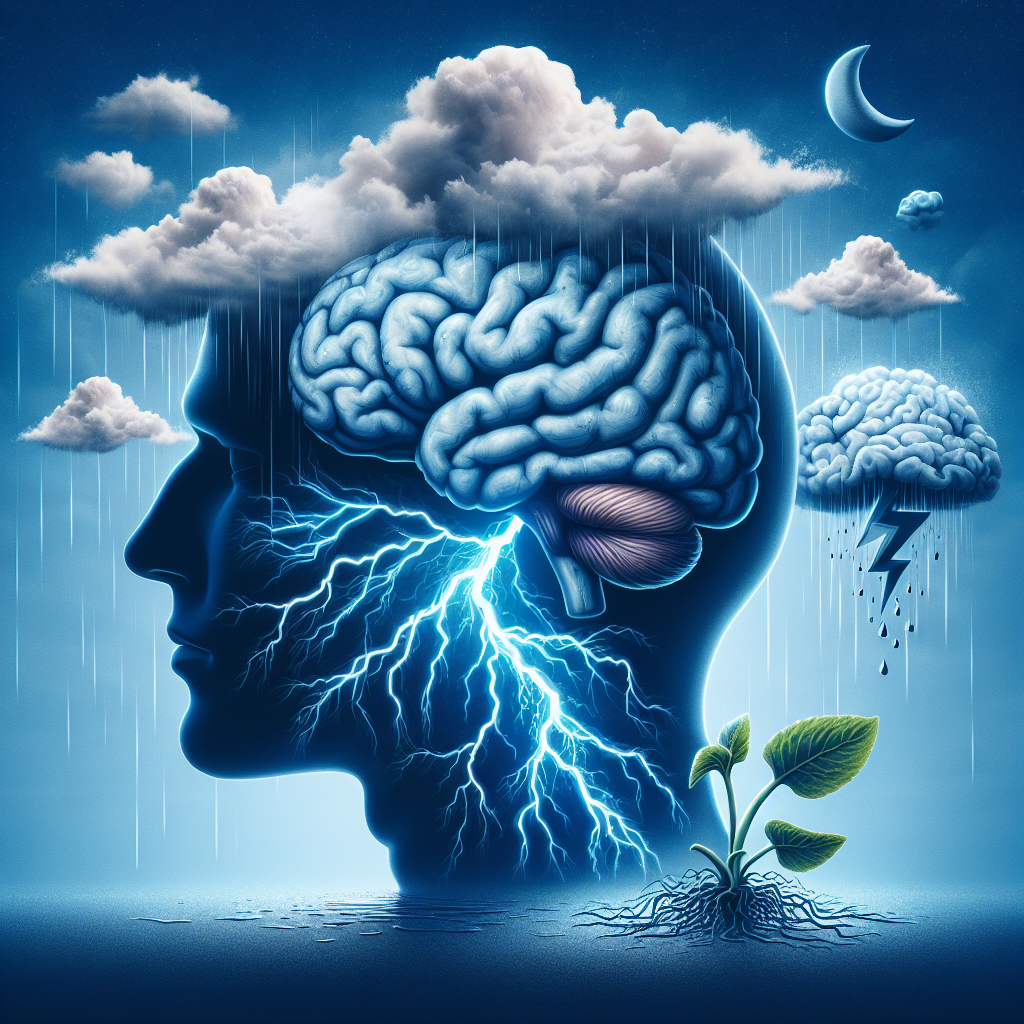
# Understanding the Link Between Stress and Erectile Dysfunction in Men
## Introduction
Erectile dysfunction (ED) in men is often perceived as a purely physical issue. However, according to a study published in the Journal of Sexual Medicine, approximately 20% of ED cases are linked to psychological factors such as stress. Chronic stress disrupts the delicate balance of hormones, blood flow, and nerve function necessary for a healthy erection. In this article, we explore how stress contributes to ED, delve into the physiological and psychological mechanisms at play, and offer practical strategies to break this cycle and restore fulfilling intimacy.
## What Is Erectile Dysfunction?
Erectile dysfunction refers to the consistent inability to achieve or maintain an erection firm enough for sexual intercourse. While occasional difficulty is common and usually not a cause for alarm, persistent ED affects the self-esteem of nearly 30 million men in the United States and can indicate underlying health issues. Common organic causes include cardiovascular disease, diabetes, and hormonal imbalances. However, psychological and emotional factors—particularly chronic stress—often play a significant, and sometimes overlooked, role. As Dr. John Smith, a renowned urologist, states, “Emotional health is just as important as physical health when addressing ED.”
## How Stress Affects Sexual Health
Stress is the body’s natural reaction to perceived threats or challenges. In today’s fast-paced world, there are myriad stressors, from work pressure to financial worries. Chronic stress leads to elevated levels of cortisol and adrenaline. Elevated cortisol reduces testosterone production, which is essential for a healthy libido. Meanwhile, adrenaline constricts blood vessels, making it more difficult to achieve or maintain an erection.
## The Physiological Mechanisms
### Hormonal Imbalance
Prolonged stress elevates cortisol levels, which reduces testosterone. Lower testosterone can impair the biochemical processes that trigger an erection.
### Vascular Impact
Healthy blood flow is crucial for an erection. Stress-induced adrenaline causes vasoconstriction, reducing circulation throughout the body, including the penis.
### Nervous System Disruption
Stress activates the sympathetic nervous system, necessary for “fight-or-flight” responses, whereas an erection requires parasympathetic activation for a “rest-and-digest” mode.
## Psychological and Emotional Impacts
Beyond the physical effects, stress takes a toll on mental well-being. Men experiencing stress-related ED often report performance anxiety—a fear of failure that distracts from intimacy and heightens tension. This can lead to low self-esteem, damaging confidence and causing relationship strain, as partners may misinterpret ED as a lack of attraction. These factors intensify stress responses, creating a vicious cycle that perpetuates ED.
## Recognizing the Signs
Early recognition of stress-related erectile dysfunction is key. Look for frequent difficulty achieving or maintaining an erection, reduced sexual desire despite a healthy relationship, and persistent feelings of anxiety that coincide with ED episodes. If you notice these signs, it’s vital to take proactive steps rather than dismissing the issue.
## Strategies for Managing Stress and Improving Erectile Function
### Lifestyle Modifications
– **Regular Exercise:** Aim for at least 30 minutes of moderate physical activity most days. Exercise reduces stress hormones and enhances cardiovascular health.
– **Balanced Diet:** Emphasize whole foods—fruits, vegetables, lean proteins, and healthy fats—to support hormone regulation and blood flow.
– **Sleep Hygiene:** Prioritize 7–9 hours of quality sleep. Establish a consistent bedtime routine and limit screen time before bed.
### Stress-Reduction Techniques
– **Mindfulness Meditation:** Daily mindfulness practice reduces cortisol levels and alleviates performance anxiety.
– **Deep Breathing and Progressive Muscle Relaxation:** These exercises promote relaxation and improve blood flow.
– **Time Management and Boundaries:** Delegate tasks and prioritize personal time to prevent burnout.
### Emotional Connection and Communication
– **Open Dialogue:** Share concerns with your partner to foster trust and reduce performance pressure.
– **Intimacy Beyond Intercourse:** Explore sensual touch and extended foreplay, focusing on closeness rather than penetration.
## Seeking Professional Help
If self-care strategies are insufficient, consult a healthcare professional. A primary care physician can screen for underlying health conditions like hypertension. Urologists, who specialize in men’s sexual health, can recommend treatments ranging from oral medications (like PDE5 inhibitors) to hormone therapy. For anxiety or relationship issues, therapists offer cognitive-behavioral therapy (CBT) tailored to your needs.
## Conclusion
Stress is a common culprit in erectile dysfunction, affecting physical processes, mental well-being, and intimate relationships. By understanding how chronic stress disrupts hormonal balance, blood flow, and nerve function—and adopting targeted stress management techniques—you can break the cycle and restore healthy sexual function. If lifestyle changes aren’t enough, remember that professional help is available. Tackling stress and ED empowers you to regain confidence, strengthen relationships, and enjoy a fulfilling sex life.
For further reading and resources, visit [eDrugstore.com](https://www.edrugstore.com).
**References**
– Journal of Sexual Medicine
– Smith, J., Urologist Expert Panel Discussion, 2023