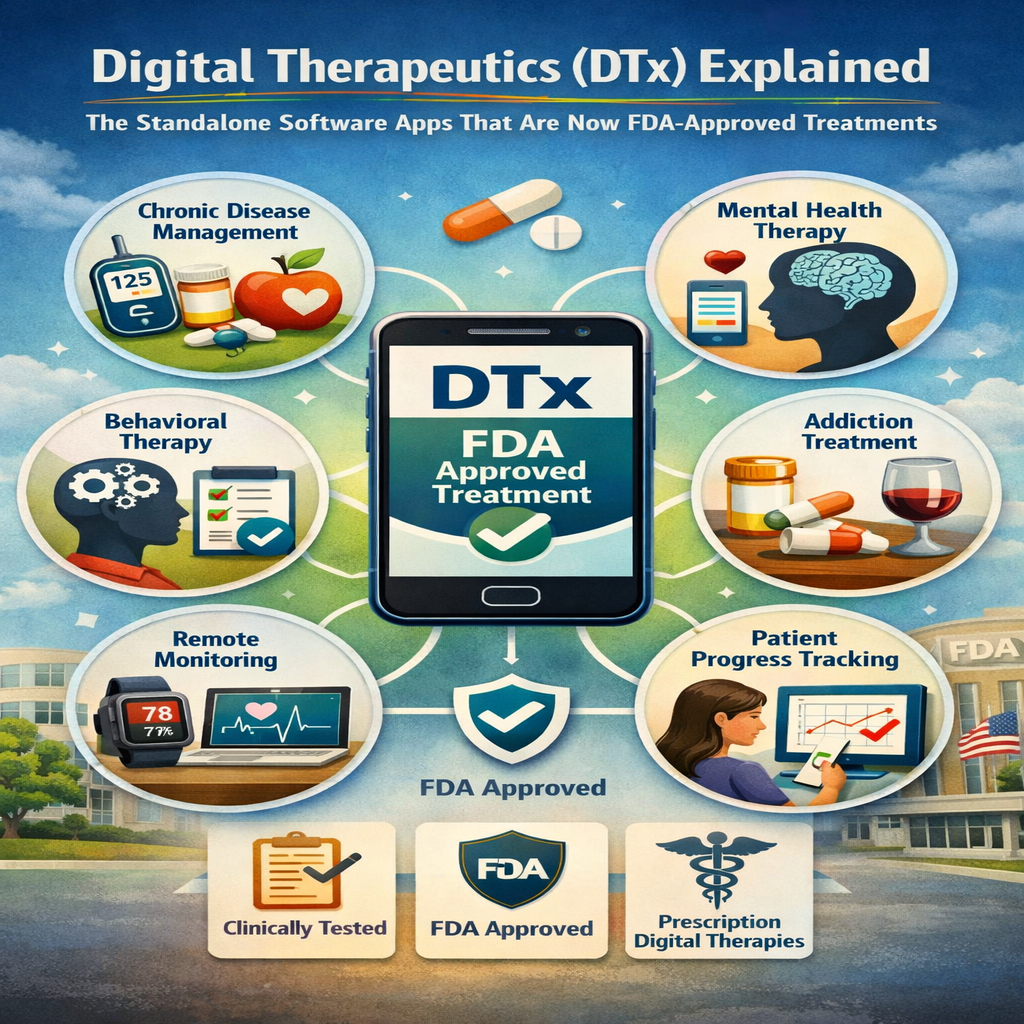
Why Internet Access Matters for Modern Healthcare
In today’s connected world, having dependable internet access has evolved from a luxury to a necessity—especially in healthcare. Digital tools influence how we manage wellness, diagnose illnesses, and receive treatment. For millions of Americans, however, a lack of connectivity creates serious barriers to care. According to the Federal Communications Commission, more than 14 million people in the U.S. still lack access to high-speed internet. This gap affects everything from managing chronic diseases to accessing mental health services. As Dr. Karen DeSalvo, Chief Health Officer at Google Health, emphasizes, “Digital access today is health access.” Recognizing internet connectivity as a critical factor in overall healthcare equity is essential in building a fairer, more effective healthcare system.
The Digital Divide Is a Health Divide
The term “digital divide” refers to the growing gap between people with consistent, high-speed internet access and those without it. But this divide extends beyond technology—it worsens disparities in healthcare access and health outcomes. The Pew Research Center estimates that 23 million Americans still lack broadband at home. These gaps most drastically affect low-income families, rural communities, older adults, and communities of color.
When internet access is unreliable or unavailable:
– Patients may miss telemedicine appointments and crucial consultations.
– Parents might not access vital health alerts or vaccination schedules.
– People living with chronic conditions may be unable to track health data or refill prescriptions online.
These limitations deepen social inequalities that already influence who can get care, when, and how. As more healthcare shifts online, those without reliable connectivity fall even further behind in access and outcomes.
For example, a mother living in a rural Mississippi town may have to drive over 40 minutes just to reach a public library with internet access to schedule her child’s vaccination.
Internet Access: A Modern Social Determinant of Health
The World Health Organization defines social determinants of health as the non-medical factors like housing, education, and employment that influence a person’s health. Internet access now firmly belongs in that category. The rapid expansion of digital healthcare services means that who has internet—and how consistently they have it—can determine who gets diagnosed early or receives timely support.
Key areas influenced by internet access include:
– Preventive Care: Online health portals now provide digital screenings and early warning tools like skin cancer risk checkers and COVID-19 symptom trackers.
– Mental Health Services: The American Psychological Association reports virtual therapy improves access and reduces wait times by up to 40 percent.
– Emergency Alerts: During the COVID-19 pandemic, more than 80 percent of federal emergency updates were shared online, according to the CDC.
Without reliable broadband, entire communities may miss out on essential services, from early intervention to crisis response.
Poor Connectivity, Poor Health Outcomes
Scientific research increasingly supports the link between internet access and tangible health improvements. A 2022 study by Johns Hopkins University found that counties with limited broadband access had significantly higher rates of unmanaged chronic conditions such as diabetes and hypertension. Another 2021 study on telepsychiatry found that patients with steady home internet access had 25 percent fewer missed appointments compared to those relying on public Wi-Fi.
When patients are digitally connected:
– Hospital readmissions for heart failure drop by 30 percent with remote monitoring, which depends on real-time data sharing.
– Prenatal care outcomes improve. Lack of constant broadband in rural areas correlates with a 17 percent increase in pregnancy complications.
While the shift to digital care offers potential, it only works when supported by the necessary technological infrastructure.
Policy and Community Efforts to Bridge the Digital Healthcare Gap
Treating high-speed internet access as essential as electricity or clean water requires collaboration between government agencies, local organizations, and healthcare providers. Multilevel strategies are being implemented to close the digital health divide.
Key approaches include:
1. Infrastructure Expansion: Federal initiatives like the FCC’s Rural Digital Opportunity Fund, with $20.4 billion in allocated funding, aim to build broadband networks in underconnected regions. Communities also use public libraries and schools as Wi-Fi hubs.
2. Subsidized Internet Service: The Affordable Connectivity Program helps eligible households by covering up to $30 per month for broadband service. Over 17 million families have enrolled in this program.
3. Access to Devices and Training: Organizations like the National Digital Inclusion Alliance offer free digital literacy workshops and distribute technology to seniors and underserved communities.
4. Healthcare-Based Solutions: Clinics can provide telehealth booths or portable Wi-Fi hotspots. Providers can also switch to low-bandwidth communication methods, such as secure messaging or phone consultations, to accommodate patients without high-speed internet.
In one innovative initiative, a clinic in Appalachian Kentucky began offering Chromebook rentals and digital workshops. As a result, telehealth participation among seniors increased by 35 percent.
What Healthcare Providers Can Do
Healthcare professionals play a crucial role in identifying digital challenges that patients face. A simple question such as, “Do you have access to the internet or a smartphone?” during patient intake can reveal barriers that might otherwise go unnoticed.
According to the National Association of Community Health Centers, integrating broadband-related questions into health screening forms has led to quicker connections to tech assistance programs and better treatment follow-up. Community health workers and social workers can also ensure patients receive help accessing these tools.
“We can’t close health equity gaps if we don’t ask whether our patients can even log in,” says Dr. Marcella Nunez-Smith, a public health expert from Yale and Chair of the U.S. COVID-19 Health Equity Task Force.
A Connected Future for Equitable Healthcare
Reliable internet access is no longer a convenience—it is a healthcare necessity. From teletherapy for teens in underserved neighborhoods to remote monitoring for elderly rural patients, being connected shapes who receives care and how quickly.
As we rethink healthcare for the digital age, it’s time to treat broadband as essential infrastructure. By supporting technology investment, expanding subsidy programs, improving digital literacy, and asking the right questions in clinical settings, we can build a more inclusive, connected, and equitable healthcare system.
No one should be left offline—or left behind.
Explore More Resources
For additional insights on enhancing healthcare access through digital tools, visit edrugstore.com.
References
1. Pew Research Center. (2021). Internet/Broadband Fact Sheet. https://www.pewresearch.org/internet/fact-sheet/internet-broadband/
2. World Health Organization. (2022). Social determinants of health. https://www.who.int/health-topics/social-determinants-of-health
3. American Psychological Association. (2021). Telehealth improves access. https://www.apa.org/news/press/releases/stress/2021/telehealth-mental-health
4. FCC. (2022). Affordable Connectivity Program. https://www.fcc.gov/acp
5. Johns Hopkins University. (2022). Broadband and Health Disparities in Rural Counties
6. Centers for Disease Control and Prevention (CDC). (2020). COVID Data Tracker. https://covid.cdc.gov
7. National Digital Inclusion Alliance. https://www.digitalinclusion.org
8. National Association of Community Health Centers. (2023). Broadband Equity and Health. http://nachc.org