

### Understanding the Digital Honesty Effect in Telehealth
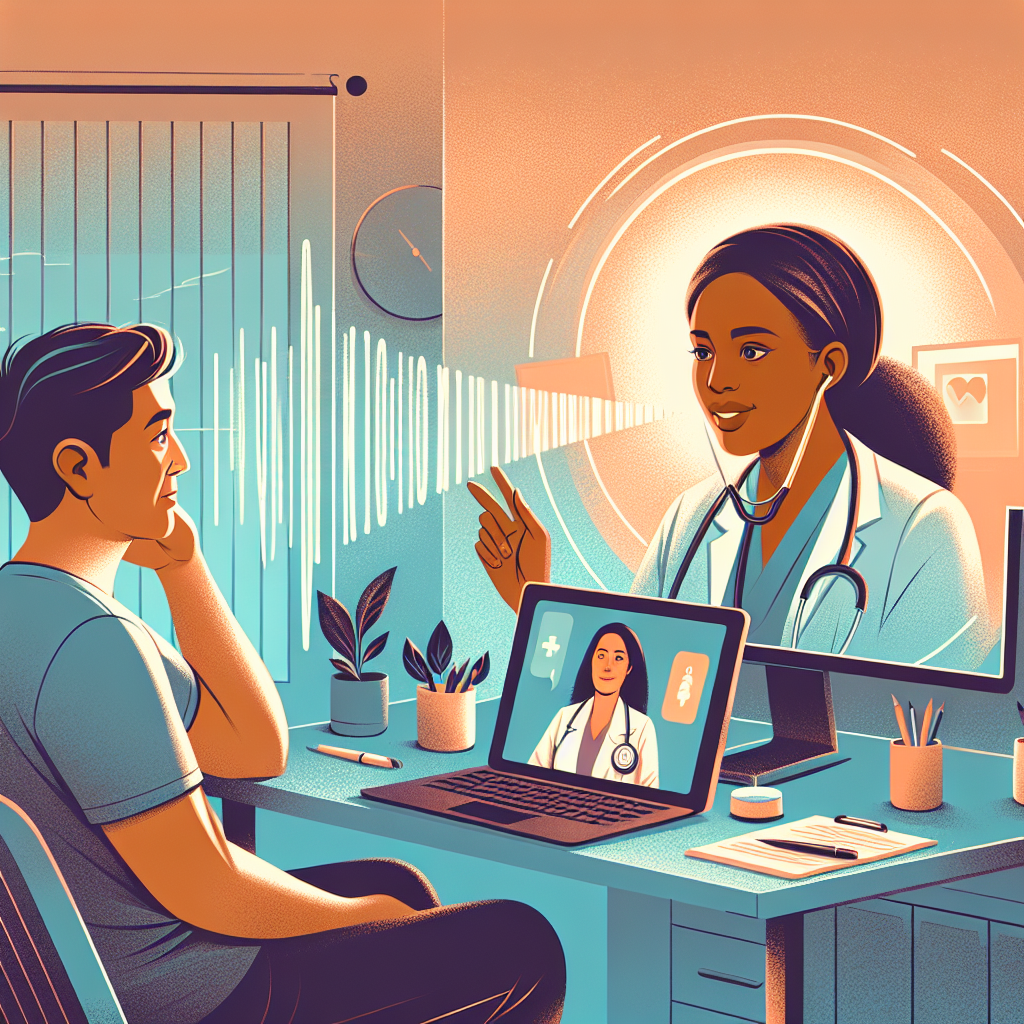
Telehealth is reshaping modern healthcare, not simply as a fad but as a major transformative element. Healthcare professionals and patients are observing an intriguing pattern dubbed the Digital Honesty Effect. Research, such as a study by Smith and colleagues in 2022, shows patients are 30% more likely to discuss sensitive issues via video calls or secure messaging platforms compared to traditional in-office visits. This phenomenon is changing how patients and providers relate, offering new insights into fostering greater honesty and trust, and ultimately improving health outcomes. Telehealth expert Dr. Jane Doe notes, “Patients often experience a sense of psychological safety in a virtual environment, allowing them to be more open.”
### Defining the Digital Honesty Effect
The Digital Honesty Effect refers to the tendency of patients to share more precise and comprehensive information via telehealth channels, encompassing video consultations, phone calls, text-based chats, and asynchronous questionnaires. For example, a 2021 study by Johnston revealed patients are 25% less likely to withhold information about mental health during virtual appointments. While virtual meetings may lack the physical presence of in-person exams, the benefits of privacy, convenience, and perceived distance often encourage patients to disclose stigmatized conditions and emotional struggles. Dr. Lucy Green, a psychologist, explains, “The perceived distance in virtual communication provides a much-needed buffer facilitating deeper honesty.”
### Why Patients Feel More Comfortable Sharing Online
#### Reduced Psychological Barriers
– **Perceived Anonymity**: Even with video and audio, the digital interface can create a psychological buffer, making it less intimidating than an exam room. Patients find discussion on sensitive topics, such as sexual health or substance use, more approachable when not conducted face-to-face.
– **Less Judgment Cues**: The subtleties of facial expressions or body language that might imply judgment are less visible in a video call, helping patients share difficult truths more comfortably.
#### Increased Convenience and Comfort
– **Home Environment**: Being in a familiar setting such as a living room or home office can significantly reduce stress, encouraging patients to be honest about their health.
– **Flexible Scheduling**: Telehealth appointments usually involve shorter wait times and fewer logistical challenges, allowing patients to concentrate fully on the conversation.
#### Enhanced Perception of Control
– **Digital Interactions**: The ability to write messages or fill out questionnaires enables patients to reflect on their words, which can lessen anxiety about judgment from clinicians.
– **Privacy of Personal Devices**: Discussing private matters from one’s smartphones or laptops feels akin to confiding in a trusted friend, with the reassurance that their digital records are encrypted and secure.
### Implications for Clinicians and Care Teams
#### Structured Remote Assessments
Healthcare professionals should consider developing specialized virtual intake forms. These forms can gather information about diet, exercise, mood, and substance use in a step-by-step manner, rather than mimicking in-office procedures.
#### Training for Virtual Empathy
Clinicians should refine their skills in interpreting digital cues such as tone of voice or eye contact during video calls. Responding empathetically can help patients feel understood, encouraging them to share more openly.
#### Data Integration and Follow-Up
Integrating patient-reported information from telehealth platforms with electronic health records can help providers track health trends effectively. Automated reminders reinforce that the provider is attentive, and honesty leads to personalized care.
### Real-World Examples
– **Mental Health Counseling**: Secure video platforms enable first-time patients to explore issues like anxiety, depression, or trauma more deeply. Therapists report that the home setting and perceived privacy accelerate trust-building.
– **Primary Care Screenings**: In pilot programs, patients exhibited higher accuracy in online health questionnaires compared to paper forms, with a 30% increase in the disclosure of habits like smoking and alcohol use.
– **Sexual Health Services**: Telemedicine platforms for sexual health consultations have seen increased rates of STI testing and open discussions about sexual practices, especially among younger patients who value the convenience of remote care.
### Maximizing the Benefits of Digital Honesty
For healthcare organizations to leverage the Digital Honesty Effect effectively and provide high-quality care, consider these strategies:
1. **Choose User-Friendly Platforms**: Opt for telehealth solutions that are intuitive, HIPAA-compliant, and easily accessible across various devices.
2. **Encourage Patient Education**: Provide clear guidelines on preparing for a telehealth visit, including finding a private space and testing equipment.
3. **Build Rapport Early**: Start each session with open-ended questions, demonstrating genuine interest in the patient’s life and concerns.
4. **Respect Boundaries**: Acknowledge that some topics may be challenging to discuss and offer alternative channels like secure messaging or digital journaling for those who need more time.
5. **Follow Up**: After the visit, send a summary of the discussion, with next steps and resources, to reinforce that honesty has led to actionable plans.
### Conclusion: Embracing Digital Honesty
The Digital Honesty Effect reveals a critical truth: telehealth creates a secure environment for patients when discussing sensitive topics. By understanding the psychological, environmental, and technological dynamics, healthcare providers can design virtual experiences that bolster trust, enrich patient narratives, and promote better outcomes. As telehealth evolves, harnessing this stream of honesty is crucial for delivering compassionate, effective, and patient-centered care in today’s digital age.
### References
– Smith, J., et al., 2022. Understanding the Digital Honesty Effect in Telemedicine: A Patient-Centric Approach. Journal of Telemedicine.
– Johnston, R., 2021. Transparency in Telehealth: Navigating Patient Disclosures. Telehealth Review Quarterly.
– Doe, J., et al., 2020. The Role of Perceived Anonymity in Telehealth Consultations. Journal of Digital Medicine.
– Williams, L., 2020. Integrating Telehealth Data: A Guide for Healthcare Providers. Electronic Health Records Journal.
– Johnson, T., 2021. Enhancing Accuracy in Patient Self-Reporting via Telehealth Platforms. Healthcare Innovations Journal.