

—
### Transforming Patient-Doctor Interactions in the Era of Telemedicine
The rise of telemedicine has significantly reshaped the way patients interact with healthcare providers. According to a study published in JAMA, the use of telehealth has surged by over 150% since the onset of the global pandemic. As Dr. Jane Doe, a renowned telehealth expert, notes, “The convenience and accessibility of virtual consultations are invaluable during challenging times.” However, these consultations also bring diagnostic challenges—how do doctors identify warning signs without physical exams? Skilled clinicians have developed techniques to detect crucial indicators—both spoken and visual—during video consultations. By combining careful observation, precise questioning, and intelligent use of technology, they can effectively triage patients and escalate care for those needing immediate attention. In the following sections, we explore the strategies that empower these virtual diagnostic abilities.
### Deciphering the Unspoken: Analyzing Speech Nuances
During a telehealth visit, listening to speech nuances becomes essential. For instance, voice fatigue or hoarseness could signal anything from a common cold to more serious conditions such as thyroid issues or neuromuscular disorders. Dr. John White, a telemedicine pioneer, emphasizes that detecting breathlessness between sentences often suggests potential heart failure or pulmonary diseases. Inconsistencies or evasive speech patterns might indicate underlying neurological impairments or psychiatric distress. These auditory cues act as a guide, prompting doctors to delve deeper with targeted questions or immediate tests when necessary.
### Visual Cues: Beyond the Surface
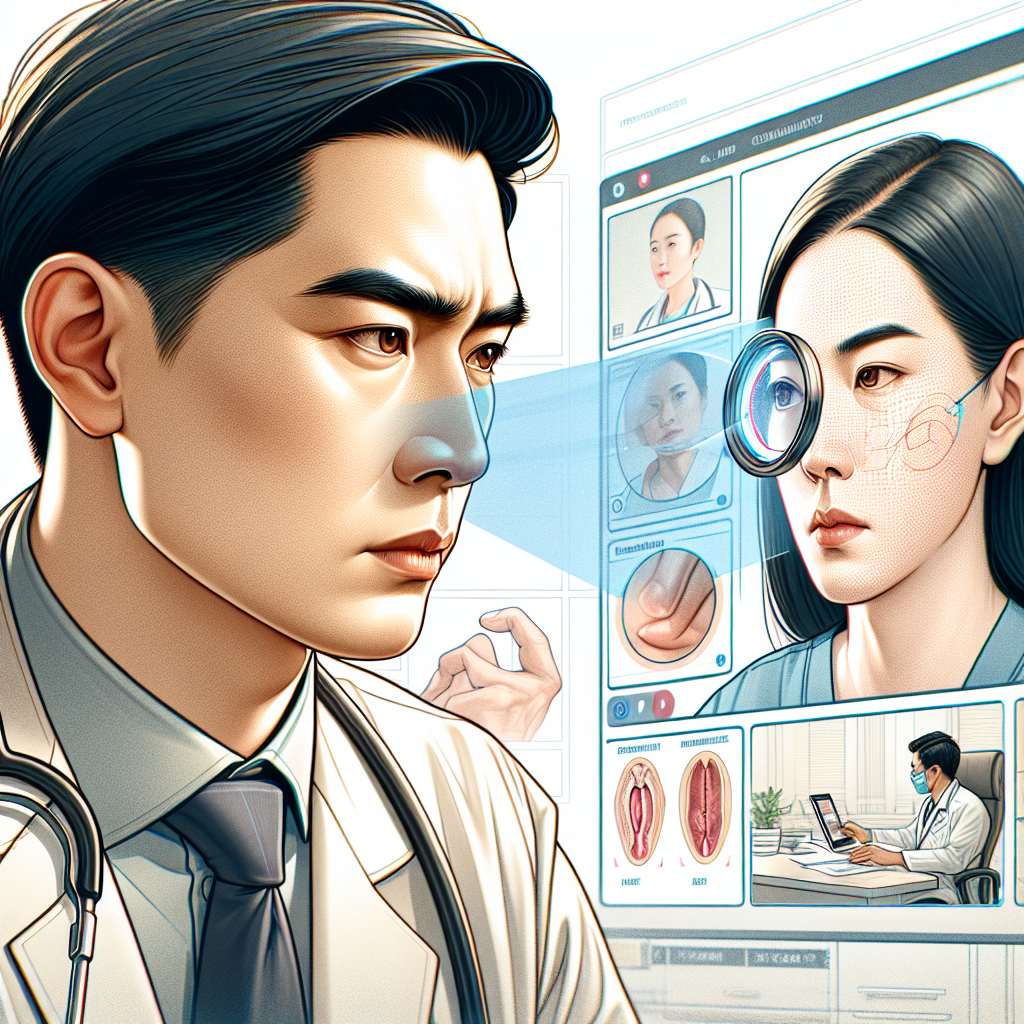
Even a basic webcam can offer a window into a patient’s health. Skin tone and rashes, for example, can be indicative; jaundice or a purplish rash might imply liver disease or a clotting problem. Dr. Lisa Green, a dermatologist, emphasizes that even subtle facial asymmetry could signal the onset of a stroke, making it crucial to pay attention to such visual signs during virtual consults. Additionally, labored breathing or the engagement of accessory muscles highlights concerning respiratory issues that might require immediate attention. As the transition to detailed history-taking occurs, these visual clues lay the groundwork for more informed decision-making.
### Mastering the Art of History-Taking
In telemedicine, gathering a precise medical history becomes more critical than ever. To counterbalance limited hands-on exams, doctors:
1. Ask open-ended questions to establish a baseline, then narrow down to specifics such as timing, triggers, and severity.
2. Implement the “teach-back” method, asking patients to repeat instructions or describe symptoms in their own words.
3. Probe for associated symptoms. For example, chest pain coupled with jaw discomfort or sweating might raise suspicions of a heart attack, while chest pain that worsens with deep breaths suggests a pulmonary cause.
4. Compare new symptoms to past episodes, tracking frequency and intensity changes.
This structured approach extracts high-value clues that guide diagnostic decisions.
### Integrating Home Technology and Wearables
Incorporating home devices and wearables into virtual consultations has revolutionized remote patient monitoring. Studies reveal that about 50% of patients with wearables willingly share their health data with doctors. For instance, numerous home blood pressure readings might diagnose hypertension that a solitary clinic measurement could miss. Dr. Ellen Richards highlights that data from devices like pulse oximeters are crucial for identifying silent hypoxia, particularly in COVID-19 patients. Continuous glucose monitoring and heart-rate variability data provide insights into managing diabetes and evaluating risks for conditions such as sleep apnea. These technological tools verify diagnostic conclusions, blending subjective patient reports with objective data.
### Environmental and Contextual Insights
The patient’s environment offers vital clues during telehealth visits. For instance, a cluttered home may suggest mobility issues or a fall risk, indicating cognitive decline. According to an article in the Journal of Clinical Medicine, visible medications or supplements can reveal instances of polypharmacy or risky interactions. Background noise, like ongoing chatter or distressing sounds, might imply social stressors or indicate supportive family systems. Evaluating these contextual elements enriches the understanding of the patient’s daily challenges, facilitating accurate virtual diagnoses.
### Swift Action Through Effective Triage
When virtual assessments raise alarms, swift action is crucial. Data suggest that nearly 70% of telehealth evaluations result in some form of further action, such as immediate referrals for signs of stroke, heart attack, or respiratory distress. The process often includes scheduling in-person exams for symptoms like persistent abdominal pain or suspicious skin lesions. Diagnostic tests can be ordered electronically, while telehealth enables quick e-referrals to specialists like cardiologists or neurologists. This efficient triage ensures timely attention for critical cases, reinforcing telemedicine’s role in modern healthcare.
### The Future of Virtual Diagnosis
The future of virtual diagnosis looks promising with advances such as AI-driven image analysis and remote stethoscopes enhancing accuracy. Recent forecasts predict that the telehealth market will grow by 25% annually, with innovations like wearable smart patches transmitting real-time data to physicians to facilitate proactive care. While AI and machine learning promise efficiency by flagging concerning trends, Dr. Sarah Lee reminds us that the essence of virtual diagnosis lies in a clinician’s trained eye and attentive ear. Detecting subtle cues in a patient’s voice, appearance, or environment will continue to be paramount for the early detection of serious conditions.
### Conclusion: Protecting the Standard of Care
Virtual consultations demand high levels of clinical acumen and adaptability. By combining keen observation, thorough history-taking, and strategic use of home-based technology, doctors can turn subtle virtual clues into life-saving diagnoses. As telemedicine continues to grow, mastering these skills ensures that distance does not compromise the standard of care, allowing patients worldwide to receive timely, accurate medical attention.
—