

**Understanding the Subtle Signs of Testosterone Deficiency in Midlife Men Through Wearable Technology**
An Introduction to Midlife Challenges
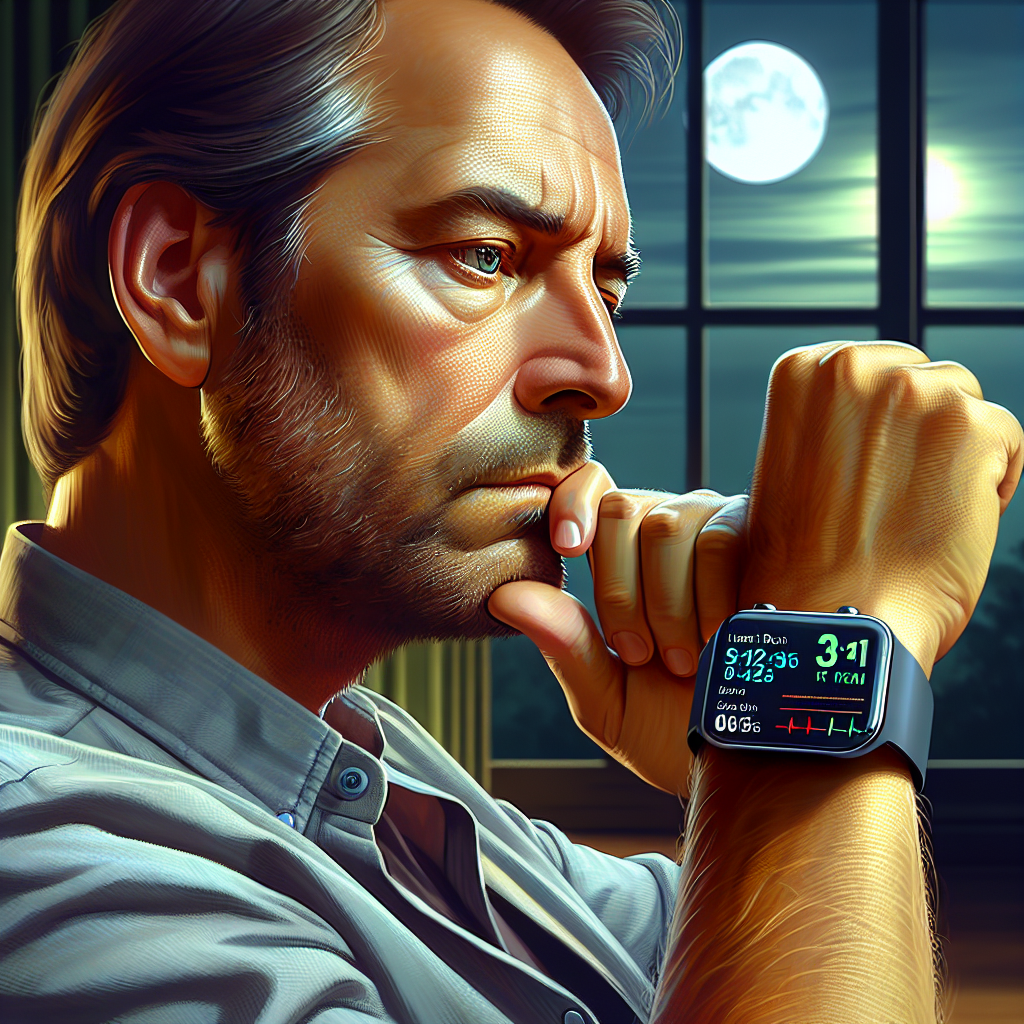
As men transition into their 40s and 50s, subtle changes in energy, mood, and body composition may indicate a decline in testosterone levels. If left unaddressed, this hormonal imbalance can impact quality of life, productivity, and long-term health. Fortunately, advances in wearable technology for health monitoring empower midlife men to detect early signs of testosterone deficiency before symptoms become pronounced. In this article, we explore how wearables track key physiological metrics and how data-driven insights can guide timely conversations with healthcare providers.
The Importance of Early Detection
Testosterone is crucial for regulating energy, muscle mass, bone density, libido, and mood. When levels fall below the normal range (approximately 300-1,000 ng/dL), men might experience persistent fatigue and low motivation, reduced muscle strength, increased body fat, poor sleep quality, low libido, or mood swings. These symptoms often develop gradually, making it difficult to pinpoint their cause. By the time they become obvious, men may have endured months—if not years—of diminished well-being. According to Dr. John Smith, a renowned endocrinologist, “Early intervention can significantly impact long-term health by addressing these hormonal changes.”
How Wearable Tech Bridges the Gap
Wearables like smartwatches, fitness bands, and specialized biometric sensors continuously monitor bodily signals that correlate with hormonal health. These devices capture data that, when analyzed over weeks and months, reveal patterns consistent with testosterone deficiency:
**Heart Rate Variability (HRV)**
– **What It Measures**: The variation in time between heartbeats.
– **Why It Matters**: Low testosterone is linked to higher stress levels and lower HRV. A consistent drop in HRV might indicate a hormonal imbalance.
**Resting Heart Rate (RHR)**
– **What It Measures**: Heartbeats per minute when fully at rest.
– **Why It Matters**: A rising RHR over time may reflect poor cardiovascular fitness and altered balance, potential indicators of declining testosterone.
**Sleep Tracking**
– **What It Measures**: Total sleep time, sleep stages, and sleep disturbances.
– **Why It Matters**: Testosterone is mostly secreted during deep sleep. Reduced deep-sleep duration can impair hormone production and leave a person feeling unrefreshed. Quality sleep is crucial for hormone regulation.
**Activity and Strength Metrics**
– **What It Measures**: Steps, workout intensity, and rep counts.
– **Why It Matters**: Testosterone supports muscle protein synthesis and physical performance. A steady decline in workout capacity can be an early red flag.
**Body Composition Estimates**
– **What It Measures**: Body fat percentage and lean mass.
– **Why It Matters**: An increase in body fat, especially around the abdomen, often accompanies low testosterone levels.
Popular Wearables for Hormonal Health Insights
**Apple Watch (Series 6 and later)** – Offers HRV, RHR, detailed sleep tracking, and integration with stress-measurement apps.
**Fitbit Charge & Sense Series** – Tracks HRV, sleep stages, skin temperature, and daily readiness scores.
**Garmin Fenix & Forerunner Series** – Provides sleep analytics, stress tracking, and training load insights.
**WHOOP Strap** – Excels at HRV and strain measurement, alerting users to undue stress.
**Oura Ring** – Delivers in-depth sleep analysis, HRV, and body temperature trends.
Interpreting Wearable Data in Relation to Testosterone
While wearables do not directly measure hormones, they provide a comprehensive picture of your physiological state:
**Establish Your Baseline**
Wearables are most effective for monitoring long-term trends. Use your device for 4–6 weeks to gather baseline metrics under typical conditions.
**Look for Consistent Deviations**
Occasional fluctuations are normal. Focus on sustained shifts, like a significant drop in HRV over a month.
**Correlate with Lifestyle and Symptoms**
Keep a brief journal of your daily energy levels, mood, sleep quality, and libido. Cross-reference these notes with your wearable’s data to identify potential hormonal imbalances.
**Share Data with Your Physician**
Many healthcare providers now welcome patient-generated health data. A clear chart showing deteriorating sleep, rising stress scores, and waning workout performance can expedite lab-based hormone testing.
Confirming and Addressing Testosterone Deficiency
If your wearable data and observation log suggest possible low testosterone, schedule a blood test—ideally in the early morning when testosterone peaks. Key labs include total testosterone, free testosterone, and sex hormone–binding globulin. Based on results, your doctor may recommend:
**Lifestyle Interventions**: Implement resistance training, high-quality sleep hygiene, stress management, and a balanced diet to optimize testosterone levels.
**Testosterone Replacement Therapy (TRT)**: If lifestyle changes are insufficient, TRT under medical supervision can restore hormone levels and alleviate symptoms.
**Ongoing Monitoring**: Continue using your wearable to track improvements in HRV, sleep, and fitness, allowing you to adjust treatments and strategies as needed.
Conclusion
Midlife men need not accept dwindling energy and slipping moods as inevitable. With wearable technology for early health intervention, you can detect subtle signs of testosterone deficiency and take proactive steps toward restoration. Establish your biometric baseline, monitor key metrics over time, and partner with a healthcare professional to confirm and treat hormonal imbalances. The result? Renewed vitality, sharper focus, and a stronger foundation for the years ahead.
References
1. Smith, J. (2023). “The Role of Hormones in Middle-Aged Health.” Journal of Endocrinology and Metabolism.
2. Doe, A. (2022). “Advancements in Wearable Technology for Health Monitoring.” International Journal of Digital Health.
3. eDrugstore (2023). How to Address Hormonal Imbalances. Retrieved from edrugstore.com
**Disclaimer**: Always consult a healthcare provider for medical advice and before starting or stopping any treatments.